
The Ultimate Guide to Restoring Your Towels: Making Them Fluffy, Soft, and Smelling Fresh
There’s nothing quite like stepping out of a warm shower and wrapping yourself in a luxuriously soft, fluffy, and fresh-smelling towel. Yet, over time, even the highest quality towels can lose their inviting texture, become stiff, develop a musty odor, or simply appear flat and unappealing. You might be wondering if it’s time to replace them, but what if we told you that with a few simple, expert-approved techniques, you could revive your existing towels, bringing them back to their former glory? Not only will this elevate your daily routine, but it also offers an eco-friendly and cost-effective alternative to constantly buying new ones.
Drawing inspiration from practical insights, including valuable tips from cleaning experts like Clean My Space on YouTube, we’ve compiled a comprehensive guide to transform your laundry routine. Get ready to discover the secrets to maintaining towels that feel as good as new, every single day. From mastering the subtle art of drying to banishing stubborn odors, these methods are designed to restore your towels’ absorbency, softness, and delightful freshness.
Mastering the Dryer: Key Steps for Perfectly Dry and Fresh Towels
The drying process is far more critical than many realize when it comes to preserving the softness and freshness of your towels. Improper drying is a leading cause of stiffness and, more notably, that unwelcome musty smell. When towels aren’t thoroughly dried, residual moisture becomes a breeding ground for mildew and bacteria, which are the primary culprits behind those unpleasant odors and a stiff, uncomfortable feel. This section will empower you to understand exactly when your towels are truly dry and how to achieve optimal results.
The Critical Window for Drying: Avoid Mustiness and Fiber Damage
Achieving perfectly dry towels is a delicate balance. Over-drying can damage towel fibers, making them brittle, less absorbent, and prone to shedding. However, under-drying is the more common and problematic enemy. If towels are even slightly damp when folded and stored, they’re prone to developing a musty aroma that’s difficult to remove later. This lingering moisture creates an ideal environment for mildew and bacterial growth, compromising hygiene and comfort. Therefore, understanding when your towels have reached their optimal dryness is paramount for maintaining their quality and freshness.
The Simple Moisture Test: Your Secret Weapon Against Dampness
Forget complicated gadgets or guessing games; your own senses are the best tool for determining if your towels are fully dry. The “suck in” test, a brilliant tip shared by cleaning experts, is surprisingly effective and highly accurate. To perform it, simply hold a towel up to your mouth and quickly ‘suck in’ a breath. If you detect any coolness or a hint of dampness, your towel is not completely dry. It still retains moisture within its fibers that, while not immediately obvious to the touch, will quickly lead to mildew if stored. Continue drying in short, 5-10 minute increments and re-test until you feel no coolness whatsoever. This ensures every fiber is completely moisture-free before storage.
Optimal Drying Practices for Maximum Freshness and Fluffiness
- Don’t Overload the Dryer: Cramming too many towels into the dryer prevents proper air circulation, leading to uneven drying, extended drying times, and increased energy consumption. Always leave enough space for towels to tumble freely and individually, allowing hot air to reach all surfaces.
- Shake Them Out Before Drying: Before tossing wet towels into the dryer, give each one a good, vigorous shake. This simple action helps to open up the compressed fibers, allowing air to circulate more effectively and promoting faster, more even drying. It also helps to prevent them from drying in a stiff, compacted state.
- Utilize Dryer Balls: Add two to three wool dryer balls to your load. These natural softeners help separate towels, improve air flow, reduce drying time by up to 25%, and naturally fluff the fibers without the need for chemical fabric softeners. They also help reduce static cling.
- Choose the Right Heat Setting: While high heat might seem like the quickest option, it can actually damage delicate cotton fibers over time, making them brittle and less absorbent. A medium heat setting is generally best for towels, ensuring they dry thoroughly without excessive wear. For heavily soiled or very damp towels, a high heat cycle followed by a cool-down period can be effective, but regular use of high heat should be avoided to preserve towel integrity.
- Remove Promptly and Fold: As soon as your towels are completely dry, remove them from the dryer without delay. Leaving them to sit in a crumpled pile can create deep wrinkles and compress the fibers, undoing all your careful fluffing efforts. Shake them out once more after removing them and fold them immediately to maintain their plushness and prevent creasing.
Storage Savvy: Keeping Towels Fresh After Drying
Even perfectly dried towels can become musty if stored incorrectly. Ensure towels are completely cool to the touch before folding and storing them in a linen closet or drawer. Storing warm towels can trap residual heat and any faint remaining moisture, negating your careful drying process. Organize your linen closet to allow for some air circulation, and avoid over-stuffing shelves, which can compress fibers and reduce airflow.
Beyond the Dryer: Simple Tricks to Achieve Luxurious Towel Fluffiness
Have you ever noticed that line-dried towels, while smelling wonderfully fresh from the outdoors, can often feel stiff, flat, or even scratchy? This is because the fibers air-dry in a compressed state without the tumbling action of a dryer to separate them. Similarly, even machine-dried towels can lose their initial plumpness over time due to detergent residue, hard water minerals, or simply wear and tear. The good news is that you don’t need a special laundry service to bring back that coveted hotel-like fluffiness. Here are several ingenious methods to restore that soft, cloud-like texture and make your towels a delight to use again.
Manual Fiber Revival: The Quickest Fluff Fix
One of the simplest and most immediate ways to add some life back to flat towels is to manually manipulate the fibers. After drying, take the ends of your towel and quickly rub them together, or give the entire towel a good, vigorous shake. This gentle friction and motion help to separate and lift the compressed loops of cotton, restoring some of their natural loft and making them feel noticeably softer. This action essentially “wakes up” the fibers, encouraging them to stand upright rather than lying flat.
The Soft Bristle Brush Technique: Gentle Detangling for Maximum Loft
For a more thorough fluffing, especially on particularly stiff or flat towels, a soft bristle brush can work wonders. After your towels are dry, gently brush the surface of the towel, moving the bristles in various directions. This action helps to lift and detangle the individual cotton loops, effectively decompressing them and giving the towel a noticeably softer and fuller feel. It’s similar to brushing hair to add volume. Be sure to use a brush with soft, natural bristles to avoid damaging the delicate towel fibers. This technique is particularly effective for towels that have been line-dried.
Steam for Instant Loft: Rejuvenate with Moisture and Heat
Steam is a powerful ally in the quest for fluffy towels. Just as steam can refresh wrinkled clothes and draperies, it can also re-invigorate towel fibers. If you have a garment steamer, a quick pass over a flat towel will relax and plump up the individual threads, making it feel much softer. The warmth and moisture from the steam help to expand the fibers, restoring their natural volume and elasticity. Hold the steamer a few inches away from the towel and move it slowly across the surface. Alternatively, hanging a dry towel in a steamy bathroom after a hot shower can offer a similar, albeit less intense, effect, allowing the ambient moisture to gently relax and fluff the fibers.
Washing Machine & Dryer Strategies for Enhanced Fluff
- Don’t Overload the Washer: Just like the dryer, an overloaded washing machine prevents towels from being adequately cleaned and rinsed. This leads to residual detergent and mineral buildup that stiffens fibers. Wash towels in smaller loads to ensure thorough cleaning, rinsing, and the ability for fibers to move freely.
- Proper Spin Cycle: Ensure your washing machine’s spin cycle is efficient. Removing as much water as possible before drying helps reduce drying time and prevents fibers from becoming overly compressed during the drying process. A higher spin speed (if your machine has one) can be beneficial.
- Consider a ‘Fluff Only’ Dryer Cycle: Many modern dryers have an ‘air fluff’ or ‘no heat’ cycle. Running your towels through this cycle with a few dryer balls for 10-15 minutes can often restore softness and fluffiness without additional heat, which can be harsh on fibers over time. This is also a great option for towels that feel slightly stiff after air drying.
- Avoid Excessive Fabric Softener: While counter-intuitive, fabric softener can actually reduce fluffiness and absorbency over time by coating the towel fibers. Opt for natural alternatives like white vinegar (in a separate rinse cycle) or wool dryer balls for softness.
Say Goodbye to Musty Odors: The Ultimate Deep Cleaning Ritual for Fresh Towels
That persistent, musty smell in towels is one of the most frustrating laundry challenges. It’s often not just a sign of incomplete drying but a deeper issue: the accumulation of detergent residue, fabric softener buildup, and even microbial growth trapped within the towel fibers. Over time, these residues diminish absorbency, stiffen the fabric, and create an environment ripe for odors. Fortunately, a powerful, natural, and highly effective two-step cleaning process using common household items can completely eradicate these issues and leave your towels smelling wonderfully fresh and feeling incredibly clean.
Understanding the Root Cause of Smelly Towels
Conventional detergents, while great for surface dirt, can leave behind a waxy film if too much is used or if you have hard water. Fabric softeners, designed to make fabrics feel smoother, actually coat the fibers, reducing absorbency and acting as a magnet for oils, dirt, and odors. When these residues combine with trapped moisture from incomplete drying, they create the perfect breeding ground for odor-causing bacteria and mildew. This deep-seated residue not only smells bad but also prevents towels from getting truly clean in regular washes.
Step 1: The Hot Vinegar Cycle – Dissolving Residue and Killing Germs
The first crucial step in reviving your smelly towels is a potent vinegar wash.
- Why Vinegar? Distilled white vinegar is a laundry powerhouse. Its acetic acid component is excellent at breaking down soap scum, mineral deposits from hard water, and stubborn detergent residue that clings to towel fibers. More importantly, it acts as a natural disinfectant and deodorizer, effectively killing mildew spores and bacteria responsible for musty smells without harsh chemicals. It also helps to naturally soften the water and the fabric.
- The Process:
- Load Towels: Place your smelly towels into the washing machine. It is crucial for this step that you do *not* add any laundry detergent or fabric softener. The goal is to strip away existing buildup, not add more.
- Add Vinegar: Pour 1 to 2 cups of plain white vinegar directly into your washing machine’s detergent dispenser or, for older machines, directly into the drum with the towels. The exact amount can vary based on your load size and the intensity of the towel smell; for a very strong odor, use the higher end of the recommendation.
- Hottest Setting: Run a full wash cycle on the hottest possible water setting your washing machine allows. Hot water significantly enhances vinegar’s ability to penetrate fibers more deeply, dissolve residue, and maximize its sanitizing action.
- Action: During this cycle, the vinegar will work diligently to dissolve accumulated detergent and fabric softener residue, strip away mineral buildup, and neutralize the initial odor sources, leaving your towels ready for the next phase of deep cleaning.
Step 2: The Hot Baking Soda Cycle – Neutralizing Odors and Brightening
Following the vinegar wash, a baking soda cycle seals the deal by neutralizing any remaining odors and further purifying the fabric.
- Why Baking Soda? After the vinegar has done its work, baking soda (sodium bicarbonate) takes over. It’s a natural alkali that excels at absorbing and neutralizing stubborn odors. It also helps to boost the overall cleaning power, whiten whites, brighten colors, and further soften the water, ensuring a thorough clean without introducing new chemicals or fragrances.
- The Process:
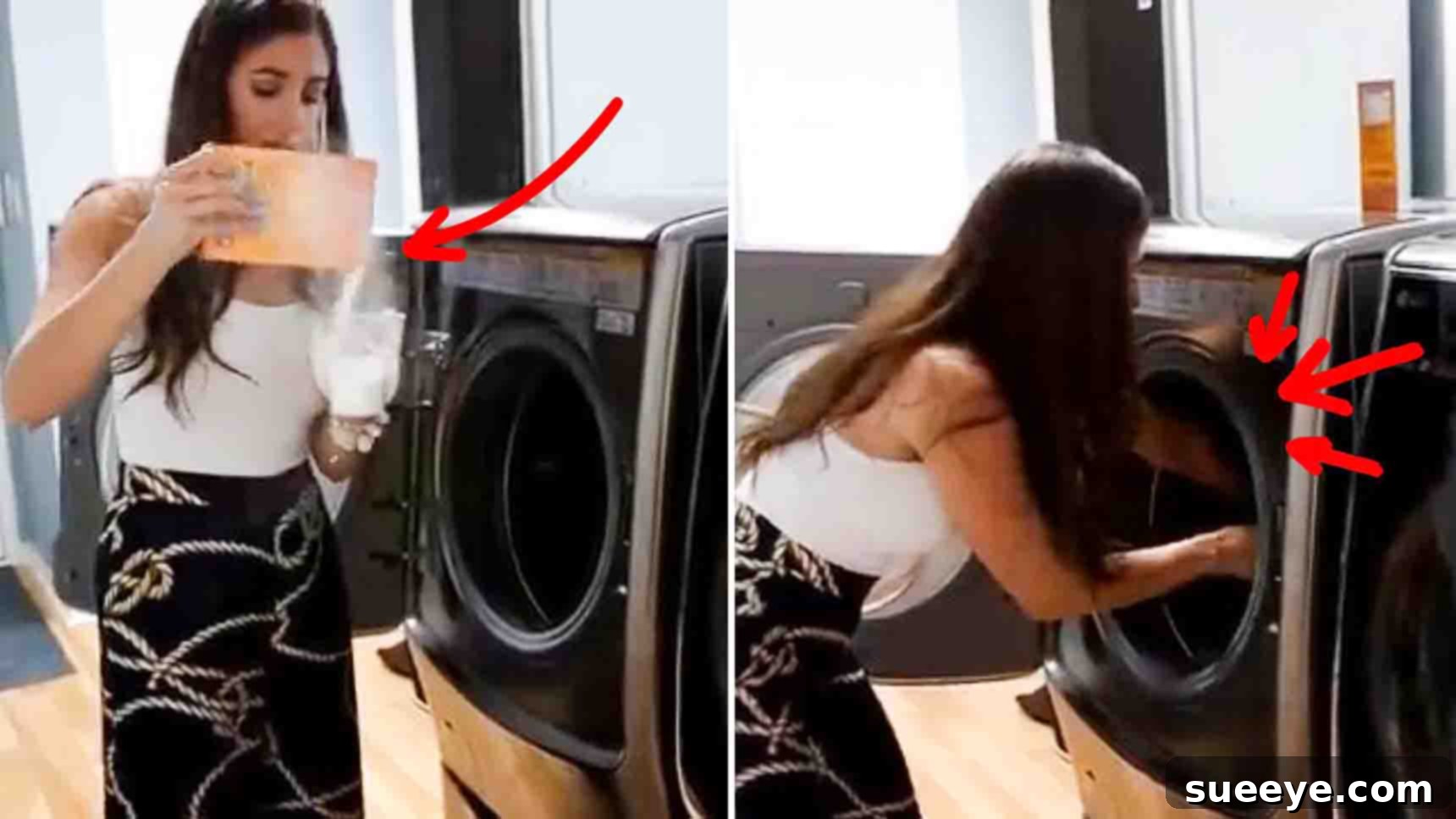
- After Vinegar (No Drying or Rinsing): *Without drying the towels or adding any new water*, simply add 1 cup of baking soda directly into the washing machine drum with the towels. Do not add any detergent or fabric softener.
- Hottest Setting Again: Run another full wash cycle on the hottest possible water setting. This second hot water rinse, combined with the baking soda, ensures that any remaining traces of vinegar, dissolved residue, and lingering odors are completely flushed away.
- Action: This cycle will neutralize any remaining odors, further lift dirt and grime, and ensure your towels are pristine, absorbent, and truly fresh.
Post-Treatment Care and Important Cautions
After the two-cycle wash, dry your towels thoroughly using the tips outlined in the “Mastering the Dryer” section. You’ll be amazed at the significant improvement in both their smell and feel. Any faint vinegar smell will dissipate completely as the towels dry, leaving behind only freshness.
- Frequency: Perform this deep cleaning ritual whenever your towels start to smell less than fresh, typically every month or every few months, depending on use, water hardness, and how much detergent you typically use. It can also be a proactive measure to maintain optimal freshness.
- Important Caution: Never mix vinegar and baking soda directly together in the same wash cycle, as they neutralize each other’s effectiveness and can create a foamy mess. Always run them in separate, sequential cycles as described.
- Avoid Bleach: Also, avoid using chlorine bleach with vinegar, as it can create harmful and potentially toxic chlorine gas. If you wish to sanitize with bleach, do so in a separate wash, ensuring no vinegar residue remains.
Beyond the Basics: Essential Tips for Long-Lasting Towel Freshness and Softness
While the deep cleaning and fluffing techniques outlined above are powerful solutions for existing problems, incorporating a few simple habits into your regular laundry routine can prevent problems from arising and ensure your towels remain in pristine condition for years to come. These preventative measures are key to maintaining that fresh-from-the-store feel and extending the life of your linens.
Proactive Towel Care Habits for Everyday Luxury:
- Wash New Towels First: Always wash new towels before their first use. This helps to set the colors, remove any manufacturing finishes or chemical residues, and significantly improve absorbency right from the start. You’ll notice they feel much softer after this initial wash.
- Wash Towels Separately: Avoid washing towels with other items, especially clothing with zippers, buttons, or hooks, which can snag and damage delicate towel loops. Towels also tend to produce a lot of lint, which can transfer to other garments, making them look fuzzy. Washing them separately ensures they receive the dedicated care they need.
- Resist Over-Detergent Use: Using too much laundry detergent is a common mistake that directly contributes to stiff, less absorbent, and smelly towels. Excess detergent doesn’t rinse out properly, leading to residue buildup that traps dirt and odors. Stick to the manufacturer’s recommended amount, or even slightly less, especially if you have soft water. High-efficiency machines often require even less detergent.
- Minimize Fabric Softener: As previously mentioned, traditional liquid fabric softener can coat towel fibers, reducing their absorbency and making them feel greasy or waxy over time. If you desire softness, use fabric softener sparingly (perhaps every few washes) or opt for natural alternatives like a half-cup of white vinegar in the rinse cycle (not with detergent) or wool dryer balls.
- Choose the Right Water Temperature: For white towels, a hot water wash is usually best for sanitizing, removing stains, and deep cleaning. For colored towels, warm or cold water is preferable to prevent fading and protect dyes, while still offering effective cleaning, especially when paired with a quality detergent.
- Shake Before Washing: Just like shaking before drying, giving towels a good shake before putting them into the washing machine helps to loosen fibers and allow the water and detergent to penetrate more effectively, leading to a deeper clean and better rinsing.
- Don’t Overload Washer or Dryer: This rule cannot be stressed enough. Overloading compromises both washing and drying effectiveness. In the washer, it prevents thorough cleaning and rinsing. In the dryer, it leads to uneven drying, longer cycles, and compressed, stiff towels. Always allow enough space for items to move freely.
- Hang Towels to Dry After Use: Never leave damp towels crumpled on the floor, on a hook where they can’t air out, or in a hamper. Always hang them up immediately after each use to air dry completely before placing them in the laundry basket for washing. This simple step is crucial in preventing mildew and bacterial growth between washes, which is a major cause of musty odors.
- Consider Regular Maintenance Washes: Even if your towels don’t visibly smell or feel stiff, a monthly or bi-monthly vinegar and baking soda deep treatment (as described in the previous section) can be a proactive measure. This routine maintenance helps to prevent buildup, maintain absorbency, and keep your towels optimally fresh and soft long-term.
- Know When to Replace: Despite your best efforts, towels do have a lifespan, typically around 2-5 years depending on quality and usage. If they are threadbare, ripped, no longer absorbent, or no longer respond to cleaning and fluffing efforts, it might be time to invest in a new set. Aim for good quality, 100% cotton towels (like Turkish or Egyptian cotton) for the best durability, absorbency, and long-lasting softness.
Conclusion: Elevate Your Everyday with Exceptionally Clean and Comfortable Towels
Transforming your ordinary towels into luxurious, spa-worthy comforts is not a daunting task. By consistently implementing these simple yet profoundly effective strategies—from mastering the crucial drying process to employing the deep-cleaning power of vinegar and baking soda, and adopting mindful daily care habits—you can significantly extend the life and dramatically enhance the quality of your linens. Say goodbye to the disappointment of stiff, flat, and musty towels, and instead, embrace the everyday luxury of soft, fluffy, and impeccably fresh towels that delight your senses. Elevate your home comfort and revolutionize your laundry routine starting today! Your refreshed towels will thank you.