
Mastering the Art of Produce Selection: Your Ultimate Guide to Freshness
In the quest for healthier eating and delicious meals, the journey often begins right in the produce aisle. Last week, we explored various methods for preserving your fresh fruits and vegetables, ensuring they last longer and maintain their nutritional value. This week, we’re taking a step back to the very beginning: how to choose the right products in the first place. Because even the best preservation techniques can’t save produce that wasn’t ripe or fresh to begin with.
Navigating the vibrant displays of a grocery store can be overwhelming, but with a few expert tips, you can transform from a hopeful guesser into a confident produce picker. The difference between a perfectly ripe, juicy fruit and a bland, mealy one can truly elevate your culinary creations and significantly reduce food waste. We’ve gathered invaluable insights, inspired by fantastic resources like Jordan Page Fun, Cheap, or Free on YouTube, to bring you a comprehensive guide on selecting the best produce. You’ll be amazed at the simple cues nature provides to indicate peak ripeness and flavor!

The Fundamentals of Freshness: General Principles for Produce Selection
Before diving into specific items, let’s establish some universal guidelines that apply to almost all fruits and vegetables. These sensory checks are your first line of defense against poor quality produce:
- Sight: Look for vibrant, uniform colors. Avoid anything with significant blemishes, discoloration, soft spots, mold, or signs of wilting. A little dirt is natural; widespread spoilage is not.
- Touch: Gently feel the item. Most produce should feel firm and substantial, not overly hard or mushy. Give it a gentle squeeze or tap to assess its internal structure.
- Smell: Many ripe fruits emit a sweet, pleasant aroma, especially near the stem end. Conversely, any sour, alcoholic, or off-putting smell usually indicates spoilage. Vegetables should smell fresh and earthy, not sulfuric or fermented.
- Weight: Often, a heavier-than-expected fruit or vegetable for its size indicates higher water content and juiciness, which are signs of freshness and ripeness.
- Sound: While less common, certain items like watermelons rely on an auditory cue for ripeness.
Picking Perfect Fruits: A Detailed Guide
Berries: The Bottom Line for Freshness
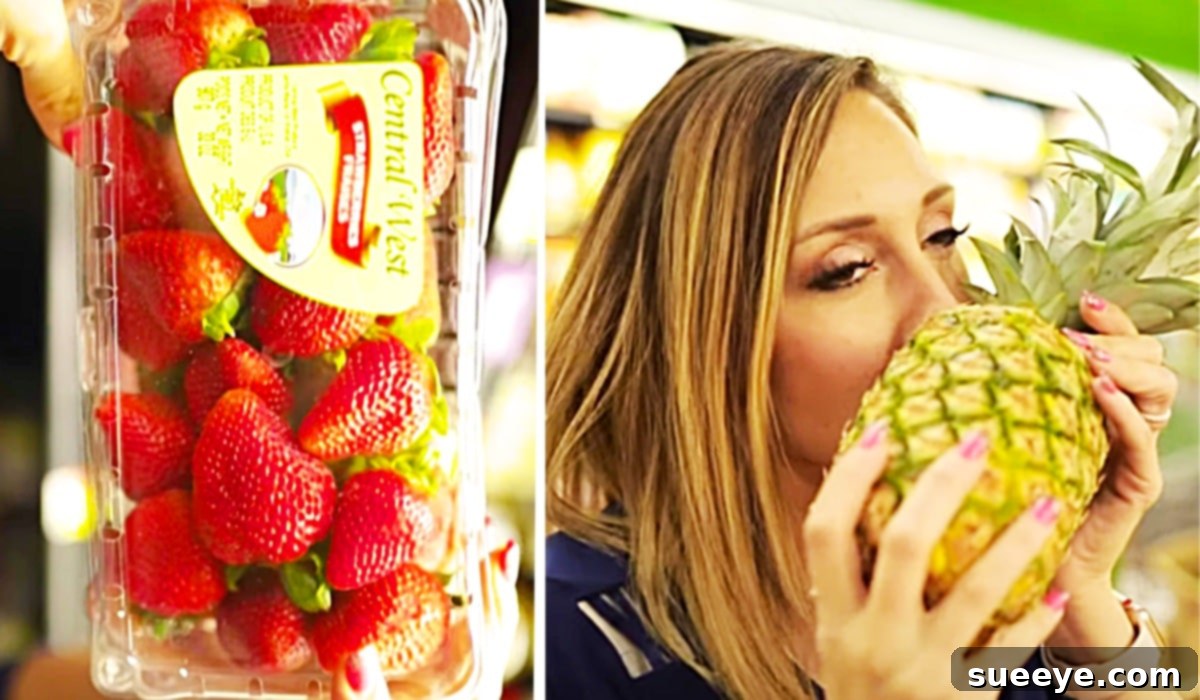
Berries are delicate, delicious, and notoriously prone to spoilage. When buying pre-packaged berries like strawberries, blueberries, raspberries, or blackberries, the key is to look beyond the top layer. Always turn the container upside down:
- The “Flip Test”: Inspect the bottom of the container. If you see any crushed, leaking, juice-stained, or moldy berries, put it back. One bad berry can quickly spoil the entire batch due to moisture and mold spores spreading rapidly.
- Color & Texture: Look for plump, uniformly colored berries. Strawberries should be bright red from top to bottom, blueberries deep blue with a dusty bloom, and raspberries/blackberries richly colored and intact. Avoid shriveled, dull, or squashed berries.
- Smell: A faint, sweet fragrance is a good sign. Any sour or fermented smell indicates they’re past their prime.
Avocados: The Stem Test for Optimal Ripeness
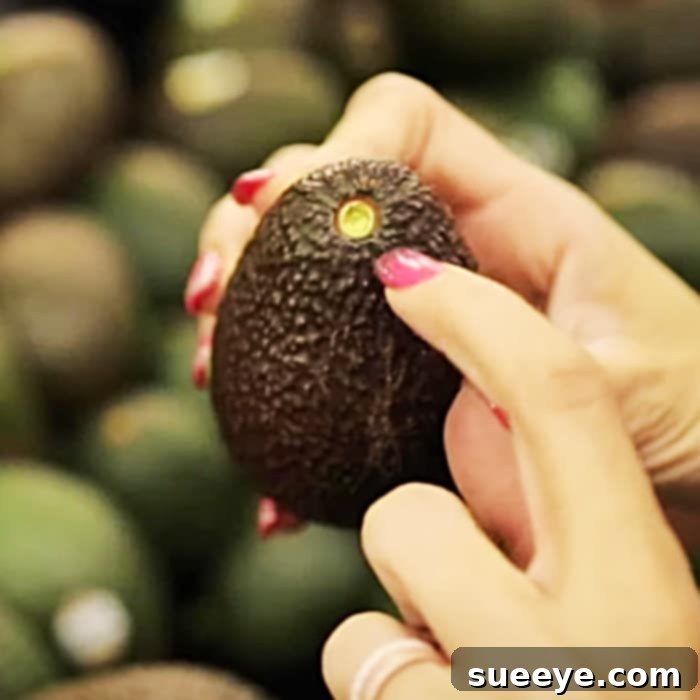
Avocados can be tricky, going from rock-hard to mushy in what seems like minutes. The most reliable way to gauge an avocado’s ripeness without cutting it open is the “stem flick” method:
- The Stem Flick: Gently try to flick off the small stem cap at the top.
- If it comes off easily and reveals green flesh underneath, you have a perfectly ripe avocado, ready to eat.
- If it’s difficult to remove, the avocado is likely still unripe.
- If it comes off easily but reveals brown or black flesh, it’s overripe and might have brown spots inside.
- Gentle Pressure: In addition to the stem test, a ripe avocado will yield slightly to gentle pressure when held in your palm. Avoid avocados that feel rock-hard or completely mushy.
- Skin Color (for Hass): While not always a definitive guide, dark green to purplish-black usually indicates ripeness for Hass avocados. However, color can vary based on growing conditions.
Pineapple: Unlocking Its Sweet Secrets
Did you know you can judge a pineapple by its small details? Indeed, selecting a perfectly sweet and juicy pineapple involves a multi-sensory approach:
- Aroma: The most important indicator. Sniff the base of the pineapple. It should have a distinctively sweet, tropical fragrance. No smell means it’s unripe; a sour or alcoholic smell means it’s overripe.
- Color: Look for a pineapple with golden-yellow color extending from the base upwards. While a fully green pineapple can ripen on the counter, one with more yellow is likely riper and sweeter upon purchase.
- Firmness & Weight: It should feel heavy for its size and firm to the touch, with a slight give. Avoid soft spots or dry, hard patches.
- Leaf Test: Gently pull one of the innermost leaves from the crown. If it comes off with relative ease, the pineapple is ripe. If it’s firmly attached, it needs more time.
- “Eyes” (Diamonds): Look for larger, flatter “eyes” or diamond patterns on the skin. Smaller, more pronounced eyes often indicate an unripe fruit.
Watermelon: The Drum Test and the Field Spot
Watermelons are all about the sound and the spot:
- The Thump Test: Give the watermelon a good thump with your open palm. A ripe watermelon should produce a deep, hollow sound, like a drum. An unripe one will sound dull or flat, while an overripe one might have a mushy sound.
- Field Spot: Look for a creamy yellow or orange patch on the underside of the watermelon. This “field spot” is where the melon rested on the ground and ripened in the sun. A white or very pale yellow spot means it was picked too early.
- Weight: A ripe watermelon will feel significantly heavy for its size, indicating a high water content.
- Stem: A dry, shriveled stem (or where the stem was attached) usually indicates the melon has reached maturity.
Melons (Cantaloupe & Honeydew): Scent and Feel
- Cantaloupe: Should have a sweet, musky aroma at the blossom end. The skin should have a distinct, raised netting pattern, and the fruit should feel firm but yield slightly at the blossom end when pressed. The stem should have a clean, concave scar, indicating it separated easily from the vine when ripe.
- Honeydew: Look for a slightly waxy skin with a creamy yellow hue (not green). It should feel heavy for its size and have a subtle, sweet fragrance. The blossom end should yield slightly to pressure.
Bananas: The Perfect Hue and Firmness
Bananas offer a clear visual guide to ripeness:
- Color: For immediate consumption, choose bananas that are bright yellow with a few brown speckles. Green tips indicate they need more time, while extensive brown spots mean they are very ripe, ideal for baking.
- Firmness: They should be firm but not hard, without any soft or bruised areas.
Apples and Pears: Crispness and Fragrance
- Firmness: Both apples and pears should be firm and crisp to the touch, without any soft spots or bruising.
- Skin: Look for smooth, unblemished skin with vibrant, uniform color specific to the variety.
- Smell: A faint, sweet fragrance is a good sign, especially near the stem.
Citrus Fruits (Oranges, Lemons, Limes, Grapefruits): Weight and Shine
- Weight: Always pick citrus fruits that feel heavy for their size; this indicates juiciness.
- Skin: Look for smooth, firm, and shiny skin. Avoid any with soft spots, mold, or dull, shriveled appearances.
- Color: Vibrant, uniform color is usually a good indicator, though some green on limes or certain orange varieties is natural.
Picking Perfect Vegetables: A Detailed Guide
Leafy Greens (Lettuce, Spinach, Kale, Arugula): Crisp and Vibrant
Freshness is paramount for leafy greens:
- Color & Texture: Look for vibrant, deep green leaves (unless it’s a red variety). They should be crisp and firm, not wilted, yellowing, or slimy.
- Avoid: Any signs of brown spots, holes, or a strong, unpleasant smell.
Root Vegetables (Carrots, Potatoes, Onions, Beets, Radishes): Firm and Smooth
These hearty vegetables should be:
- Firmness: Hard and firm to the touch, without any soft spots, sprouting, or signs of dehydration.
- Skin: Smooth, unblemished skin is ideal. Avoid cracks, cuts, or excessive dirt.
- Carrots & Beets: If sold with tops, the greens should be fresh and vibrant.
Bell Peppers: Crisp Walls and Heavy Feel
For sweet, crunchy peppers:
- Firmness: They should feel firm and crisp, with taut walls. Avoid soft spots, wrinkles, or dull skin.
- Weight: Pick peppers that feel heavy for their size, indicating good juiciness.
- Color: Vibrant and uniform color without significant blemishes.
Tomatoes: Aromatic and Yielding
The perfect tomato is a delight:
- Texture: A ripe tomato should be firm but yield slightly to gentle pressure. Avoid hard or mushy tomatoes.
- Color: Deep, uniform color, characteristic of its variety.
- Aroma: Sniff the stem end; a ripe tomato should have a distinctively sweet, earthy aroma.
- Avoid: Bruises, cracks, or hard, green shoulders.
Cucumbers and Zucchini: Firm, Shiny, and Heavy
- Firmness: Both should be firm along their entire length, without any soft spots or excessive bend.
- Skin: Look for smooth, glossy, dark green skin (unless it’s a specialty variety).
- Weight: Should feel heavy, indicating high water content.
- Size: Generally, smaller to medium sizes tend to be more flavorful and have fewer seeds.
Broccoli and Cauliflower: Tight Florets and Firm Stems
- Florets: For broccoli, look for tight, compact, dark green florets. For cauliflower, choose heads that are dense and uniformly white, without any dark spots.
- Stems: The stems should be firm, not rubbery or withered.
- Avoid: Yellowing, browning, or open, flowering florets on broccoli, and any widespread discoloration on cauliflower.
Corn on the Cob: Green Husks and Plump Kernels
Selecting sweet corn requires a few key checks:
- Husk: Look for bright green, tightly wrapped husks. Avoid dry, yellowing, or loose husks.
- Silks: The silks should be slightly damp, sticky, and brown or black at the ends. Avoid dry or moldy silks.
- Kernels: Gently peel back a small section of the husk to check the kernels. They should be plump, milky, and extend to the tip of the cob.
Beyond the Aisle: Importance of Proper Storage
While mastering the art of produce selection is crucial, remember that even the most perfectly chosen fruit or vegetable requires proper care once it leaves the store. Storing produce correctly, as we discussed previously, is key to extending its shelf life and preserving its taste and nutritional value. Understanding both selection and storage creates a powerful combination for minimizing food waste and maximizing enjoyment.
Conclusion: Empowering Your Grocery Shopping Experience
These tips are truly invaluable and will undoubtedly change the way you approach your weekly grocery shopping. From understanding the subtle cues of a ripe pineapple to performing the essential “flip test” for berries and the “stem flick” for avocados, you now have the knowledge to pick produce like a pro. Not only will this elevate the flavor of your meals, but it will also empower you to make smarter choices, reduce food waste, and save money in the long run.
So, on your next visit to the market, take a moment to apply these simple yet effective techniques. Engage your senses, trust your instincts, and enjoy the confidence that comes with knowing you’re bringing home the very best nature has to offer. Happy shopping!