
Never Lose the End of Your Clear Tape Again: Ultimate Hacks for Frustration-Free Taping
There are few things as universally frustrating as being in the middle of a crucial task – whether it’s meticulously wrapping a birthday present, sealing moving boxes, or tackling a last-minute school project – only for your clear adhesive tape to disappear into itself. That moment when the tape end merges seamlessly with the roll, rendering it invisible and seemingly inaccessible, can bring even the calmest individual to the brink of exasperation. Before you succumb to the urge to throw the entire roll away, take a deep breath. We’ve compiled the ultimate guide, inspired by ingenious common-sense hacks, to not only help you quickly find that elusive tape end but also to prevent this common annoyance from ever happening again. Say goodbye to wasted time and frayed nerves; these simple, yet profoundly effective, techniques will transform your taping experience forever.
The Common Frustration: Why Clear Tape Vanishes
Clear tape, often referred to as Scotch tape or cellophane tape, is a staple in homes, offices, and workshops worldwide. Its transparent nature makes it aesthetically pleasing for gift wrapping and discreet mending. However, this very quality is its Achilles’ heel. When the end of a roll of clear tape adheres back onto its body, it becomes virtually indistinguishable from the rest of the roll. The smooth, seamless surface offers no grip, no visible edge, and no obvious starting point. This often leads to desperate attempts involving fingernails, teeth, or even sharp objects, frequently resulting in damaged tape, further frustration, and sometimes even minor injuries. Understanding why this happens – primarily due to the tape’s strong adhesive properties and its transparent backing – is the first step towards mastering its control.
Prevention is Key: Mastering the Courtesy Tab & Tape Dispensers
While knowing how to rescue a lost tape end is invaluable, the best solution is always prevention. By adopting a few simple habits, you can dramatically reduce the frequency of tape-related mishaps. These proactive measures are easy to implement and will save you countless minutes of frustration in the long run.
The Indispensable Tape Dispenser: Your First Line of Defense
One of the most effective tools against lost tape ends is a reliable tape dispenser. From compact, handheld models to sturdy, weighted desktop units, tape dispensers are designed with a single purpose: to keep the tape end accessible and ready for its next use. A dispenser holds the tape securely, often featuring a small cutting blade that leaves a clean, slightly lifted edge after each use. This small lift is usually enough to prevent the tape from fully re-adhering to the roll. Furthermore, desktop dispensers provide the added benefit of allowing one-handed operation, a massive convenience when you’re juggling items with the other hand. Investing in a good quality dispenser is a game-changer for anyone who uses tape regularly.
The Simple Brilliance of the Courtesy Tab
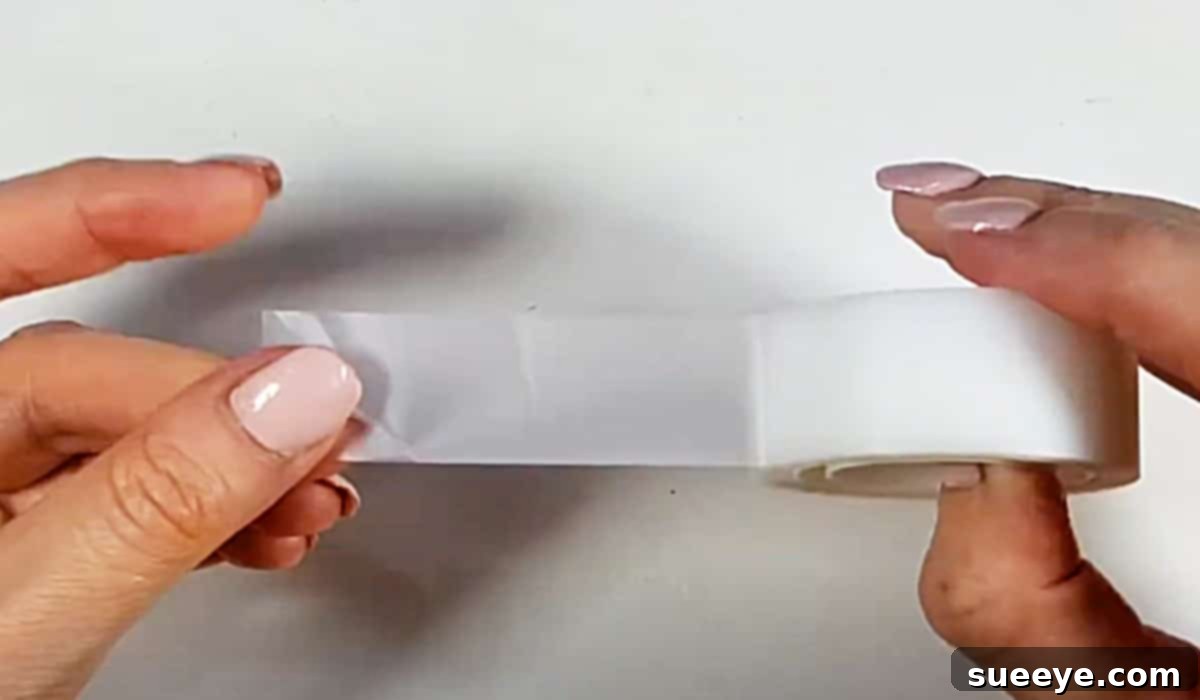
Even without a dispenser, or for rolls that don’t fit one, the “courtesy tab” is your best friend. This ingenious technique is rooted in pure common sense and involves creating a small, non-sticky tab at the end of your tape after every use. The concept is straightforward: once you’ve cut the desired length of tape, simply fold a tiny portion of the very end of the remaining tape back onto itself. This creates a small, non-adhesive flap that’s easy to grasp with your fingers the next time you need to use the tape. This simple fold prevents the sticky end from merging with the roll, ensuring it’s always visible and ready. You can fold it into a small triangle, a rectangular tab, or even place a small piece of paper or a paperclip on the end for an even more robust tab. This tiny habit takes mere seconds but saves minutes of searching.
When Disaster Strikes: How to Find That Elusive Tape End
Despite our best preventive efforts, sometimes the tape end still manages to vanish. Perhaps you forgot to make a courtesy tab, or someone else used the tape without applying the hack. Whatever the reason, finding that invisible edge on a clear roll requires a specific, gentle approach. Forget frantically scratching at the roll; these methods are far more effective and tape-friendly.
Step-by-Step: The Tactile Ridge Method
This method is a classic for a reason – it works remarkably well by leveraging your sense of touch. The premise is that even if you can’t see the tape end, its very presence creates a minute, almost imperceptible ridge on the surface of the roll. Your fingertips are sensitive enough to detect this.
- Prepare Your Hands: Ensure your hands are clean and dry. Oily or dirty fingers can smudge the tape or reduce your tactile sensitivity.
- Gently Rub the Circumference: Hold the tape roll securely. Using the pad of your index finger or thumb, lightly rub it around the entire circumference of the tape roll. Apply very gentle, consistent pressure. You are not trying to dig into the tape, but rather to feel for any slight unevenness.
- Detect the Ridge: As you rub, you will eventually feel a subtle, fine ridge or a slight catch under your finger. This is the layered edge of the tape end. It might feel like a very thin, barely raised line or a tiny bump. Don’t press too hard, as this can press the tape end back down.
- Mark the Spot (Optional): Once you’ve located the ridge, you might want to subtly mark it with a fingernail or a pencil dot if you need to reposition your hand.
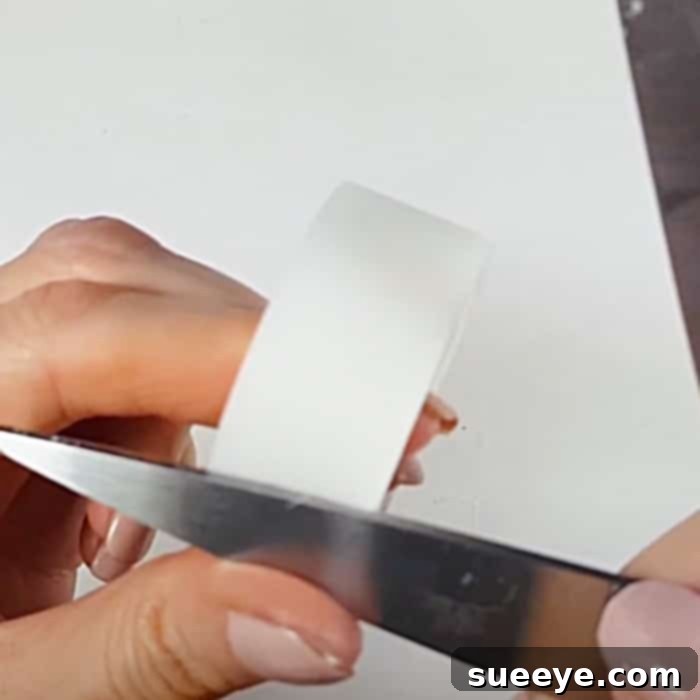
- Scrape Gently with Scissors: Carefully open a pair of scissors slightly. Using the very edge of one of the blades (the duller, outside edge is often safer and more effective than the sharp cutting edge), very gently scrape back the ridge you found. Angle the blade slightly, almost parallel to the tape surface, and apply minimal pressure. The goal is to lift the tape end, not to cut or damage the tape. Work slowly and patiently.
- Lift and Secure: As you scrape, the tape end should begin to lift. Once you have enough of an edge to grasp, gently peel it away from the roll.
Crafting the New Courtesy Tab
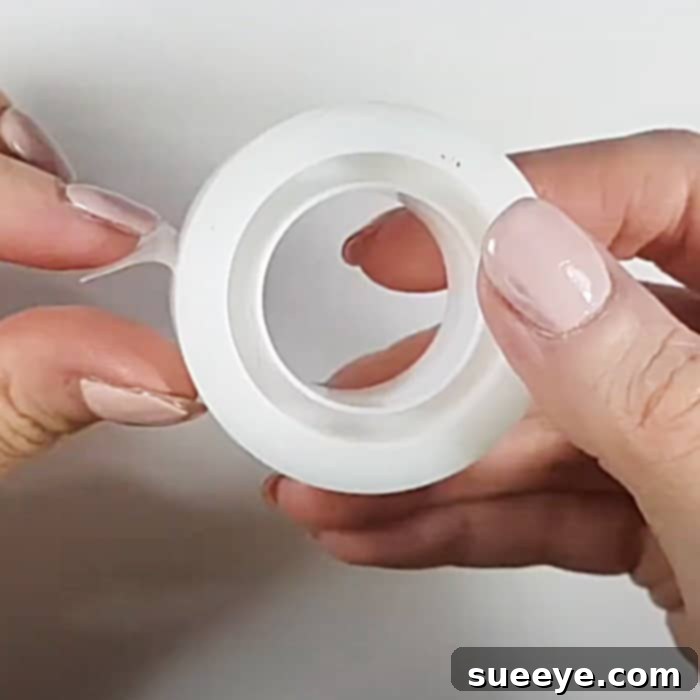
Once you’ve successfully rescued the tape end, the very next step is crucial: immediately create a new courtesy tab. This ensures that your efforts weren’t in vain and that you won’t face the same problem moments later. Fold the newly found end back on itself for about a quarter to half an inch, creating a non-sticky handle. This simple action will guarantee easy access for your next use.
Advanced Tips for Stubborn Tape Ends
Sometimes, the tactile method alone isn’t enough, especially with very thin or highly adhesive tape. Here are a few additional tricks:
- The Light Test: Hold the tape roll up to a strong light source, like a lamp or window. Rotate the roll slowly. The very edge of the tape, even if stuck flat, might create a tiny shadow or reflect light differently, making it faintly visible. You can also try placing a dark piece of paper behind the tape roll to create contrast.
- The Breath Condensation Method: Lightly breathe on the surface of the tape where you suspect the end might be. The condensation might momentarily highlight the edge of the tape against the rest of the roll.
- The Fingernail or Credit Card Edge: If scissors aren’t handy, a sturdy fingernail (be careful not to scratch the tape too much) or the edge of a plastic card (like a credit card or library card) can be used to gently scrape the detected ridge.
- Avoid Harsh Tools: Resist the urge to use knives, razor blades, or other excessively sharp objects. These can easily cut the tape unevenly, damage the roll, or cause injury.
Why These Simple Hacks Matter: Benefits Beyond Frustration Relief
Mastering these tape hacks offers more than just the immediate satisfaction of finding a lost tape end. The ripple effects positively impact your productivity, stress levels, and even your budget:
- Time Efficiency: No more wasted minutes (or even longer) grappling with a recalcitrant roll. Quick access means your tasks flow smoothly.
- Reduced Stress: The frustration of a stuck tape end can escalate quickly, affecting your mood and concentration. These hacks eliminate that unnecessary stress.
- Material Conservation: Repeatedly picking at a lost tape end often results in crinkled, unusable sections of tape, leading to waste. By finding the end cleanly, you preserve more of the roll.
- Professionalism: Whether you’re wrapping gifts, preparing packages for shipping, or creating crafts, a smooth and efficient taping process contributes to a more polished final result.
Beyond the Basics: Maintaining Your Tape Supply
To ensure your tape is always ready for action, consider these additional maintenance tips:
- Proper Storage: Store tape rolls in a clean, dry place away from direct sunlight and extreme temperatures. Heat can affect the adhesive, making it stickier and harder to unroll, while dust and debris can adhere to the exposed end.
- Different Tape Types: While these hacks primarily focus on clear cellophane tape, understanding different tape types is useful. Masking tape and painter’s tape often have a less aggressive adhesive and are designed to be easily removed, making their ends easier to find. Packing tape is usually thicker and more robust, but its ends can still vanish, so the courtesy tab is especially useful here.
- Keep Tools Handy: Designate a specific spot for your scissors or tape dispenser so they are always within reach when you need them.
Conclusion: Empowering Your Taping Experience
The humble roll of clear tape, while incredibly useful, has long been a silent source of minor daily frustrations. However, with the right knowledge and a few simple habits, you can transform this experience from exasperating to effortless. By embracing the preventative power of the courtesy tab and tape dispensers, and by knowing the precise, gentle techniques to locate a lost tape end, you empower yourself to tackle any task with confidence and calm. These aren’t just hacks; they are essential life skills for anyone who regularly interacts with adhesive tape. So, the next time you reach for that clear roll, remember these tips, and enjoy a seamless, stress-free taping experience. Your future self (and your beautifully wrapped packages) will thank you!