
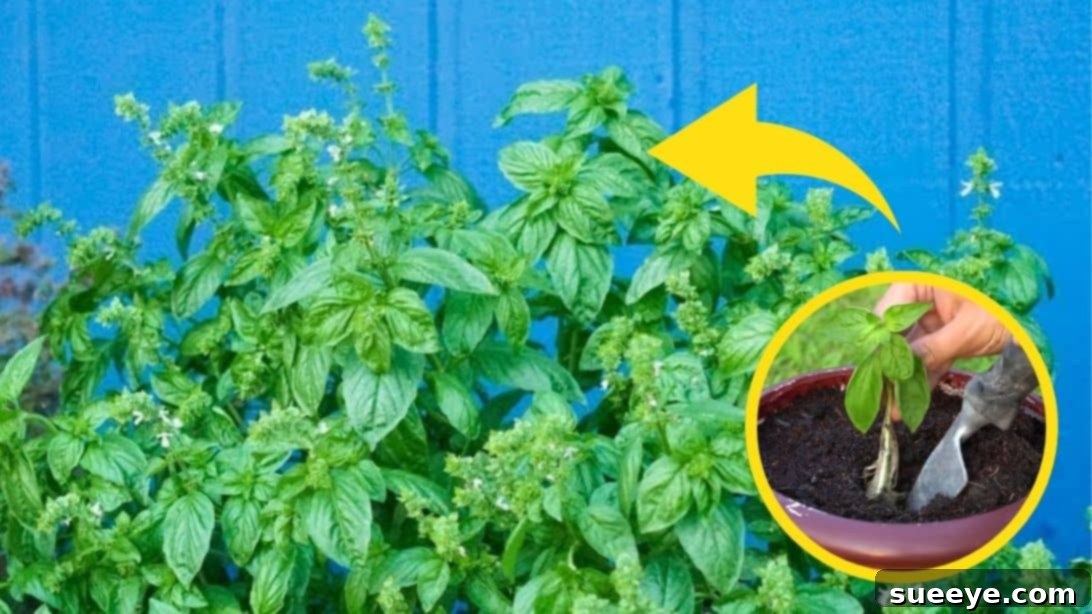
The arrival of spring fills every gardener with renewed hope and excitement, and for me, it’s the perfect time to plant fresh herbs in my garden. There’s a unique satisfaction in stepping outside and plucking vibrant, aromatic leaves for your next meal. Last year, I embarked on my basil-growing journey with high hopes. My plant started strong, a beacon of health in those initial weeks, but slowly, mysteriously, it began to fade. After a few months, it sadly succumbed. I was left wondering what went wrong, determined to get it right this time.
My quest for basil mastery led me to an invaluable resource: a video by Daisy Creek Farms with Jag Singh. A true gardening guru, Jag Singh shares his top 5 insider tips for cultivating robust, big, and incredibly bushy basil plants. His advice resonated deeply with my desire to transform my past failures into future successes, and I’m thrilled to share these proven strategies to help you achieve your own bountiful basil harvest.
Having a thriving basil plant at home is an absolute game-changer for anyone who, like me, adores whipping up homemade pesto, Caprese salads, or any dish that celebrates the distinct, peppery-sweet flavor of fresh basil. Imagine the convenience: no more last-minute runs to the grocery store, just a quick trip to your herb garden for the freshest ingredients imaginable. However, as I learned the hard way, keeping these vibrant plants alive and flourishing requires more than just good intentions. It demands understanding the proper care techniques that encourage growth, health, and an abundant yield. This spring, armed with Jag Singh’s wisdom, I am confident that my garden will be overflowing with basil, ready to elevate countless homemade recipes, such as a delightful tomato basil pasta. The anticipation of harvesting my own fresh basil is truly exhilarating!
RELATED: Looking for other ways to grow herbs? Discover How to Grow Herbs in Water (No Soil Needed) for an innovative approach!
Mastering Basil: 5 Expert Tips for Growing Big, Bushy, and Flavorful Plants
Growing basil successfully transforms your garden and kitchen, offering a steady supply of this beloved herb. By understanding and implementing a few key practices, you can cultivate plants that are not only healthy but also incredibly lush and productive. Let’s dive into the five essential tips that will make your basil plants the envy of every gardener.
1. Starting Your Basil Journey: Seeds or Cuttings?
The foundation of a strong basil plant begins with how you start it. You have two primary options: planting from seed or propagating from cuttings. Both methods have their merits, and choosing the right one for you depends on your preferences and timeline.
Starting with Seeds:
If you choose to start from seed, the process is straightforward and rewarding. Begin by sowing basil seeds in a high-quality seed-starting soil or a general potting mix. Plant them shallowly, about 1/4 inch deep, and lightly cover with soil. Basil seeds typically germinate within about one week, especially if kept warm (ideally around 70°F/21°C). Once the seedlings emerge, ensure they receive plenty of light to prevent them from becoming leggy. Allow your young basil plants to grow to a height of 3-4 inches and develop a few sets of true leaves before carefully transplanting them into their final location, whether that’s directly into your garden bed or into larger containers. Starting from seed allows for a wider variety selection and can be a more economical choice, though it requires a bit more patience.
Starting with Cuttings:
For those looking for a quicker start or wanting to clone an existing healthy plant, cuttings are an excellent option. To propagate basil from a cutting, select a healthy, non-flowering stem about 4-6 inches long. Using clean scissors or pruners, make a cut just below a leaf node (the point where leaves emerge from the stem). Carefully remove all the bottom leaves from the cutting, ensuring that at least two leaf nodes are exposed. Place the cutting in a bottle or jar of water. It’s crucial to use non-chlorinated water, as chlorine can inhibit root development. If your tap water is chlorinated, let it sit out for 24 hours to allow the chlorine to dissipate. Change the water every 2 to 3 days to keep it fresh and prevent bacterial growth. Within a week or two, you should observe small white roots forming. Once the roots are about 1-2 inches long, your basil cutting is ready to be planted into a container filled with well-draining potting mix. This method often results in faster, more mature plants.
2. The Art of Soil Preparation for Basil
Basil is not particularly fussy, but it absolutely thrives in soil that offers a perfect balance of moisture retention and excellent drainage. The right soil mix is fundamental to preventing both waterlogging, which leads to root rot, and excessive drying out, which stresses the plant. Jag Singh recommends a specific blend for optimal basil health:
- 20% Compost: Compost is a powerhouse of nutrients, slowly releasing essential elements that feed your basil over time. It also improves soil structure, enhancing both drainage and moisture retention.
- 60% Potting Mix: A good quality potting mix provides the bulk of your growing medium, offering a light, airy structure that supports root development. Look for mixes that are sterile to prevent disease and weed seeds.
- 20% Coconut Coir: Coconut coir is an excellent organic amendment known for its superior water retention capabilities while simultaneously promoting aeration. It’s a sustainable alternative to peat moss and helps maintain that ideal moist, but not soggy, consistency that basil loves.
Thoroughly combine these components to create a homogenous mix. This blend ensures your basil roots have access to necessary oxygen, prevents water from sitting stagnant, and provides a continuous supply of nutrients, setting the stage for vigorous growth. Whether planting in containers or amending a garden bed, this soil recipe will give your basil the best possible start.
3. Mastering Basil Watering Techniques
Watering is perhaps one of the most critical aspects of basil care, and it’s where many gardeners, including my past self, often go wrong. Basil plants absolutely love consistently moist soil, but there’s a fine line between moist and waterlogged. Overwatering can quickly lead to root rot, a deadly condition for basil, while underwatering causes wilting and stunted growth.
The goal is to maintain soil consistency similar to a well-wrung-out sponge – evenly damp, but not dripping wet. To achieve this, it’s vital to check the soil moisture regularly. A moisture meter is an invaluable tool for this, providing an accurate reading of the moisture level deep within the soil. Insert the probe into the soil, halfway between the stem and the edge of the pot, and aim for a “moist” reading. If you don’t have a meter, the “finger test” is a reliable alternative: stick your index finger about an inch or two into the soil. If it feels dry at that depth, it’s time to water.
When you do water, do so thoroughly until water begins to drain from the bottom of the pot. This ensures that the entire root ball receives moisture. Avoid shallow watering, which only wets the top layer of soil. Watering in the morning is generally best, as it allows the foliage to dry out before nightfall, reducing the risk of fungal diseases. Adjust your watering frequency based on your climate, the size of your plant, and the type of container. Plants in smaller pots or hotter climates will naturally need more frequent watering.
4. The Importance of Optimal Sunlight Exposure
Sunlight is basil’s energy source, and providing the right amount is crucial for its growth and flavor. Basil thrives in full sun, meaning at least 6-8 hours of direct sunlight per day. However, it’s not just about quantity; the quality of that sun exposure matters significantly, especially in warmer climates.
Jag Singh’s recommendation for ideal basil placement is an area that receives the gentle, nurturing rays of the morning sun, followed by protective shade in the afternoon. Here’s why this setup is perfect:
- Morning Sun: The morning sun is less intense, allowing the basil plant to photosynthesize efficiently without experiencing heat stress. This early light promotes robust growth and the development of essential oils that give basil its distinctive flavor.
- Afternoon Shade: In many regions, especially during the peak summer months, afternoon sun can be scorching. Protecting basil from this intense heat prevents wilting, leaf scorch, and premature bolting (going to seed), which can turn leaves bitter and halt new growth.
If your garden doesn’t offer a naturally shaded afternoon spot, don’t despair! You can create shade using shade cloth, positioning taller plants to cast shadows, or simply moving container-grown basil to a shadier location during the hottest part of the day. For those growing indoors or in areas with insufficient natural light, supplemental grow lights can provide the necessary energy for healthy basil development, ensuring they receive the equivalent of 10-12 hours of light daily.
5. Pruning for Bushiness and Abundant Harvests
Pruning is arguably the most impactful technique for transforming a lanky basil plant into a robust, bushy powerhouse. Many gardeners hesitate to prune, fearing they might harm the plant, but with basil, strategic pruning encourages vigorous new growth and prevents the plant from “bolting,” or going to seed prematurely. Bolting typically signals the end of the plant’s life cycle for leaf production, as it shifts energy into producing flowers and seeds, often resulting in bitter-tasting leaves.
Basil naturally produces two sets of leaves and two small offshoots (new growth points) right next to the main stem every 1 to 2 inches. The key to bushiness is to encourage these offshoots to develop into new main stems. You can begin pruning your basil once the plant reaches about 6 inches tall and has developed 2 to 3 sets of true leaves.
How to Prune Effectively:
- Identify the Pruning Point: Look for a main stem and identify a point just above a set of leaves or where two new growth shoots are emerging from the main stem.
- Make a Clean Cut: Using clean, sharp scissors or pruning shears, make a cut approximately 1/4 inch above the leaf node or the emerging side shoots.
- Encourage New Growth: Each time you prune, the plant will respond by diverting energy to the two side shoots directly below your cut. These shoots will then grow into new main stems, effectively doubling your plant’s producing potential.
- Regular Maintenance: Continue to prune your basil regularly, ideally every 1-2 weeks during its active growing season. Never remove more than one-third of the plant at once to avoid shocking it.
- Prevent Bolting: If you see flower buds beginning to form at the top of the plant, pinch them off immediately. This redirects the plant’s energy back into leaf production, extending your harvest season significantly.
The best part? All those fresh leaves you prune off are perfect for immediate culinary use! Pruning not only shapes your plant but also provides a continuous supply of fresh basil for your kitchen.
Cultivating Culinary Success with Basil
Embarking on the journey of growing your own basil can be one of the most rewarding gardening experiences. By integrating these five expert tips into your routine – from choosing the right starting method and preparing optimal soil, to mastering watering, understanding sunlight needs, and implementing strategic pruning – you’re not just growing a plant; you’re cultivating a continuous source of fresh flavor for your home.
Say goodbye to the disappointment of wilting or short-lived basil plants. With Jag Singh’s wisdom and a little consistent care, you’ll soon be enjoying lush, bushy basil that not only looks beautiful in your garden but also elevates every dish it touches. The vibrant aroma and unparalleled taste of homegrown basil are truly incomparable. So, roll up your sleeves, get your hands in the soil, and prepare to harvest an abundance of this magnificent herb. Your culinary adventures await!