
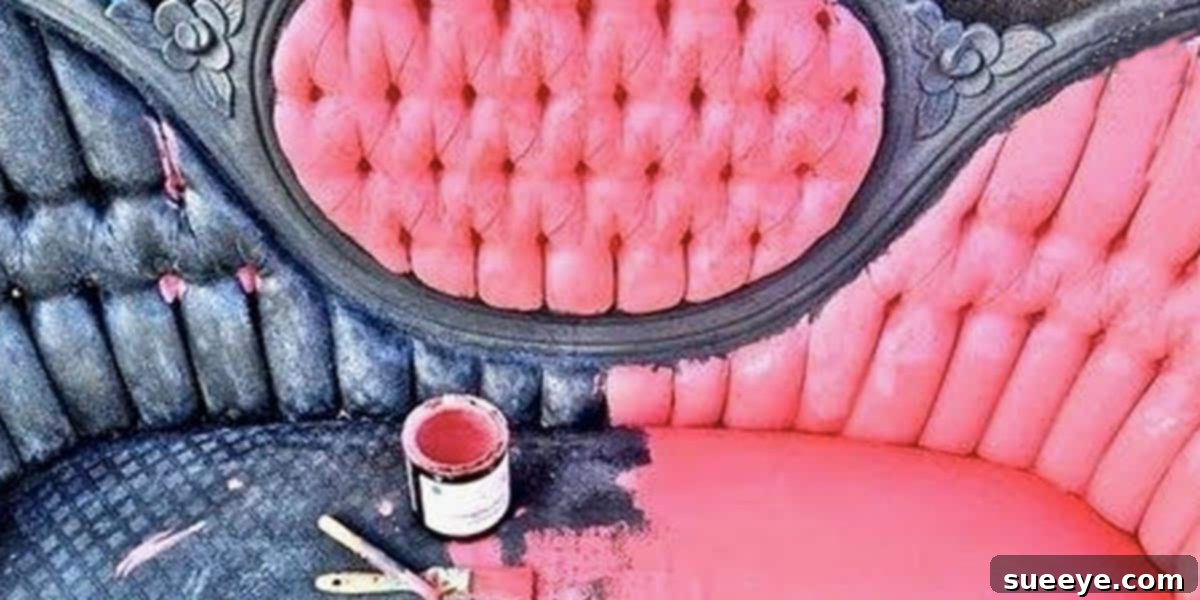
Transform Your Old Upholstered Furniture with Paint: A DIY Guide to Stunning Makeovers
Are you looking to refresh your home decor without breaking the bank? Imagine taking an old, worn-out upholstered chair or sofa and giving it a completely new lease on life with just a few coats of paint. This isn’t just wishful thinking; it’s a brilliant, achievable DIY project that many don’t realize is possible! Repurposing fabric furniture by painting it is a game-changer, allowing you to create custom pieces that often look better than newly purchased items.
From thrift store treasures to inherited pieces, the potential for transformation is immense. You can achieve surprisingly sophisticated and unique finishes, turning drab fabric into something truly fabulous. Let’s dive into the fascinating world of painting upholstery and unlock its incredible possibilities.
The Unbelievable Magic of Painting Fabric Furniture
The idea of painting fabric might sound daunting, even impossible to some. However, with the right techniques and materials, it’s an incredibly rewarding endeavor. We’re talking about taking those dated patterns or faded colors and completely reinventing them into modern, chic, or vintage-inspired statement pieces. I’ve personally experimented with this method on several fabric-seated and backed chairs, and the results have been nothing short of awesome. Each piece became a cherished addition to my home, boasting a character and charm that couldn’t be bought new.
This DIY approach offers significant advantages over traditional reupholstering. Not only is it far more budget-friendly, but it also gives you immense creative freedom. You’re not limited by fabric choices at the store; your imagination is the only boundary. Plus, it’s a fantastic way to embrace sustainability by giving existing furniture a second chance, reducing waste, and contributing to a more eco-conscious lifestyle.
Choosing Your Weapon: The Power of Chalk Paint
When it comes to painting upholstered furniture, not all paints are created equal. The secret to achieving that desirable, soft, and flexible finish lies primarily in the type of paint you choose: chalk paint. Unlike latex or oil-based paints, chalk paint is specifically formulated to be chalky and soft, containing no latex. This crucial characteristic prevents the fabric from becoming stiff, brittle, or cracking excessively when you sit on it.
One of the most remarkable transformations chalk paint facilitates is the ability to mimic the look and feel of aged and cracked leather. Imagine turning a plain fabric chair into something resembling an old bomber jacket – tactile, yielding, and rich with character. This unique effect is a hallmark of using chalk paint on fabric and is a testament to its versatility. The paint adheres beautifully to the fibers, allowing them to retain a degree of their original pliability.
Alternative Technique: Water-Diluted Paint for Ultimate Softness
For those seeking an even softer finish, almost indistinguishable from unpainted fabric, there’s an intriguing technique involving water. Some DIY enthusiasts swear by spraying the fabric with water first and then diluting the chalk paint with additional water before application. This method is said to allow the paint to penetrate the fibers more deeply rather than simply coating them, resulting in a significantly softer feel. While I haven’t personally tried this specific approach, various tutorials claim its efficacy, even on challenging fabrics like velvet. It’s an exciting prospect for achieving an incredibly natural, supple finish, and I’m certainly open to experimenting with it in the future.
Step-by-Step Guide to a Flawless Upholstery Paint Job
Ready to get started? Here’s a comprehensive guide to help you achieve a stunning furniture makeover with painted upholstery.
1. Preparation is Key
- Clean Your Fabric: Thoroughly vacuum the entire piece of furniture to remove any dust, dirt, and loose fibers. For stubborn stains, spot clean with a mild fabric cleaner and allow it to dry completely. A clean surface ensures better paint adhesion.
- Protect Your Surroundings: Lay down drop cloths or old sheets to protect your floors and any nearby furniture. Use painter’s tape to meticulously mask off any areas you don’t want painted, such as wooden frames, trim, or hardware.
- Gather Your Supplies: You’ll need your chosen chalk paint, a spray bottle filled with water, paintbrushes (a larger one for broad areas, a smaller one for details), stirring sticks, and a container for diluting paint if you choose that method.
2. Diluting and Mixing Your Paint
This step is crucial for achieving the desired finish. For the standard “aged leather” effect, you’ll still want to slightly thin your chalk paint to ensure it soaks into the fabric rather than sitting on top. A good starting ratio is about 10-20% water to paint, aiming for a consistency similar to thin cream. If you’re going for the ultra-soft, “sprayed and diluted” method, you might increase the water content to a 1:1 or 2:1 ratio (water to paint) for the first coat, creating a wash that fully saturates the fabric. Always mix thoroughly.
3. Applying the First Coat
- Dampen the Fabric (Optional but Recommended): If you’re not using the heavily diluted paint method, lightly mist the area you’re about to paint with water from your spray bottle. The fabric should be damp, not soaking wet. This helps the paint glide on smoothly and absorb better.
- Paint in Sections: Work on small sections at a time. Apply thin, even coats of paint using your brush. Ensure the paint gets into the fabric’s weave. Avoid applying thick globs, as this can lead to stiffness.
- Work Quickly and Evenly: Brush in all directions to ensure full coverage. Smooth out any brushstrokes as you go.
4. Drying and Subsequent Coats
- Allow Ample Drying Time: Let each coat dry completely before applying the next. This can take several hours, depending on humidity and coat thickness. Rushing this step can lead to a sticky or uneven finish.
- Repeat for Coverage: You will likely need two to three thin coats to achieve full, opaque coverage. Each subsequent coat will build the color and gradually alter the fabric’s texture. With each coat, the fabric will feel a bit stiffer initially, but as mentioned, chalk paint retains a surprising amount of softness.
- Addressing Unwanted Cracks: If you notice any small cracks forming where you don’t want them (this can sometimes happen with heavily textured fabrics or if the paint is too thick), simply apply a bit more paint to that spot and blend it in while wet.
5. Sealing and Finishing Touches
Once you’ve achieved your desired color and coverage, the final step is sealing the paint to protect it and ensure its longevity.
- The Satin Finish Advantage: A satin finish topcoat works wonderfully as a sealer for painted fabric. It provides a protective layer without significantly altering the tactile quality of the chalk paint. It also offers a slight sheen, enhancing the overall look.
- No Waxing the Fabric: While waxing is a common technique for chalk-painted wooden furniture, it’s generally not recommended for fabric. Wax can attract dust and grime on soft surfaces and may not hold up well to friction. As observed by experts like Debi of Debi’s Design Diary, a satin finish is the superior choice for fabric.
- Waxing the Frame: If your furniture piece has a wooden frame that you also painted, applying wax to the frame can create a beautiful, durable finish that perfectly complements the painted fabric.
Achieving Different Textures and Durability
The beauty of this project lies in its versatility. The typical outcome, as experienced with a heavy cotton/rayon blend fabric, is a feel akin to aged, worn leather – firm yet pliable. This “gives” slightly when you sit on it, preventing that rigid, uncomfortable sensation you might expect from painted upholstery.
Interestingly, I haven’t experienced the fabric ripping or cracking in an undesirable way. If anything, the slight ‘crackle’ effect I intentionally used on one piece, wanting that specific vintage appeal, only enhanced its character. It’s reassuring to know that the color remains fixed and does not rub off onto clothes, a testament to the paint’s adherence and the effectiveness of the satin topcoat as a sealer.
Experimentation is encouraged! For a significantly softer drape, especially on items that aren’t sat on frequently (like decorative chairs or headboards), the heavily diluted water-to-paint method might be ideal. For high-traffic items, the slightly thicker, but still thinned, chalk paint approach provides a robust and stylish aged leather effect that stands the test of time.
Care and Maintenance of Your Painted Upholstery
Once your masterpiece is complete and fully cured, caring for it is relatively straightforward. For general dusting, a soft brush or vacuum with an upholstery attachment is usually sufficient. For minor spills or marks, a damp cloth with a very mild soap can be used, gently dabbing the affected area. Avoid harsh chemical cleaners or excessive scrubbing, as these could compromise the paint finish.
The durability of chalk paint on fabric is impressive, especially when sealed correctly. Your transformed furniture will not only look fantastic but will also be resilient enough to be enjoyed for years to come, truly making it a sustainable and cost-effective home decor solution.
Inspiration Awaits: Watch and Learn!
Seeing is believing, and there are incredible resources out there to guide you. If you’re keen to watch the process unfold, I highly recommend checking out tutorials from experienced DIYers. For example, Debi, from Debi’s Design Diary, is a wonderfully zany and fun personality who offers fantastic step-by-step guidance on painting upholstered furniture. Watching her creative process can demystify the project and inspire you to confidently tackle your own furniture transformations.
This project is more than just painting; it’s about unlocking creativity, saving money, and creating truly personalized pieces that tell a story. So, grab that old chair, choose your favorite chalk paint color, and prepare to be amazed by the incredible potential waiting to be unleashed. Your next favorite furniture piece might just be a brushstroke away!