
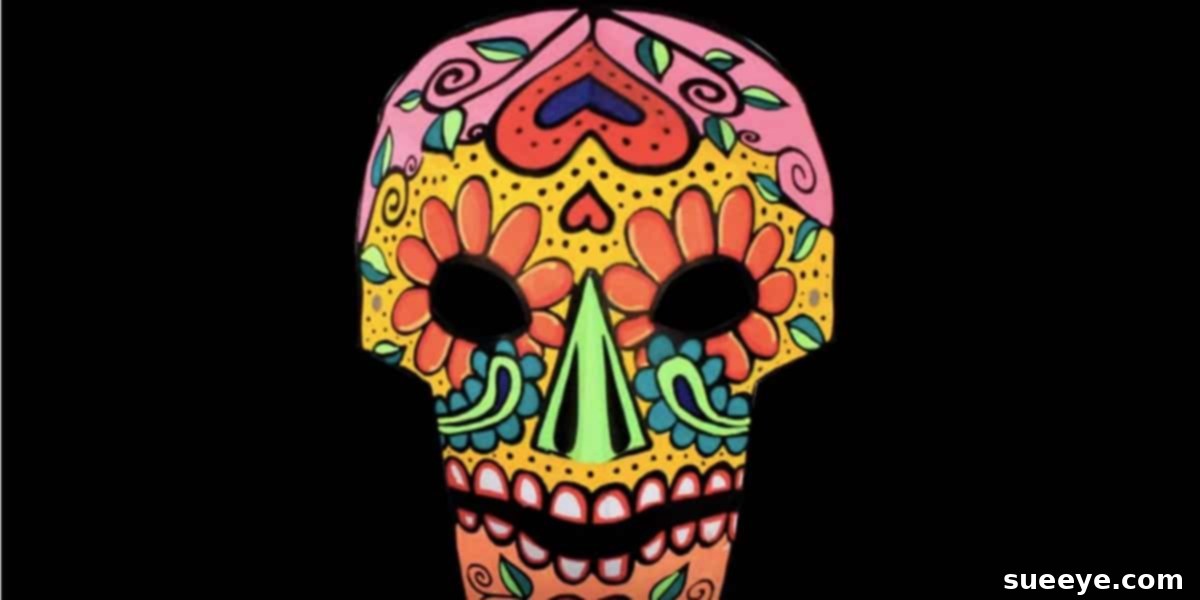
Embrace the Vibrancy: DIY Mexican Folk Art & Day of the Dead Sugar Skulls
There’s an undeniable magic in the bright, joyful colors of Mexican folk art that immediately captures the eye and warms the heart. These captivating pieces possess a true ‘wow’ factor, effortlessly transforming any space into a lively showcase of cultural beauty. What makes them even more appealing is their surprising accessibility; you don’t need to be a professional artist to create your own stunning examples. Imagine simply outlining a design and filling it with color, much like a coloring book – that’s how straightforward it can be! So, let go of any intimidation and prepare to unleash your creativity.
Discovering the Heart of Mexican Folk Art: A World of Color and Tradition
Mexican folk art is a rich tapestry woven with threads of history, spirituality, and everyday life. It’s an art form that speaks volumes through its bold palettes, intricate patterns, and diverse mediums. From pottery and textiles to paper maché and tin work, each piece tells a story, reflecting the traditions and beliefs of its creators. These artworks are more than just decorations; they are expressions of identity, celebrations of heritage, and tangible connections to a vibrant culture. Bringing Mexican folk art into your home isn’t just about adding color; it’s about infusing your living space with soul, narrative, and an unparalleled sense of joy that only truly authentic cultural pieces can provide. The very essence of this art form lies in its ability to take traditional motifs and infuse them with modern energy, making it eternally appealing and relevant.
Unveiling the Magic of Day of the Dead (Día de los Muertos)
At the core of much Mexican folk art, especially those featuring captivating skulls, lies the profound and beautiful holiday known as Day of the Dead, or Día de los Muertos. This isn’t a somber occasion, but rather a vibrant, deeply meaningful celebration observed primarily in central and southern Mexico on November 1st and 2nd. While it coincides with the Catholic observances of All Saints’ Day and All Souls’ Day, Día de los Muertos holds roots in ancient indigenous traditions that predate the arrival of Europeans. It’s a testament to the enduring power of cultural syncretism, where ancient beliefs seamlessly blend with new ones.
The essence of Day of the Dead is to lovingly remember and honor family and friends who have passed away. It’s believed that during these special days, the veil between the living and the dead thins, allowing spirits to return and reunite with their families. According to traditional belief, the gates of heaven open precisely at midnight on October 31st. This allows the spirits of deceased children, often referred to as ‘angelitos,’ to visit their families for a full 24 hours. The following day, November 2nd, marks the arrival of the adult spirits, who come down to partake in the joyous festivities and enjoy the offerings meticulously prepared for them by their living loved ones.
The atmosphere during Día de los Muertos is one of festive remembrance, not sorrow. Families create elaborate altars, known as ‘ofrendas,’ adorned with photos of the deceased, their favorite foods and drinks, candles, incense, and bright marigold flowers (cempasúchil), whose vibrant color and strong scent are believed to guide spirits home. These altars are heartfelt tributes, inviting the spirits to enjoy the earthly pleasures they once cherished, fostering a sense of continuity and connection that transcends the boundaries of life and death.
The Iconic Symbolism of Sugar Skulls (Calaveras de Azúcar)
Among the most recognizable and beloved symbols of Día de los Muertos are the iconic sugar skulls, or ‘calaveras de azúcar.’ These aren’t just decorative items; they are deeply symbolic representations of life, death, and remembrance, presented with a whimsical and often humorous flair. Historically, sugar skulls emerged in Mexico as an inexpensive and readily available folk art form during the 17th century, a sweet treat used to adorn altars and symbolize the departed.
Unlike the morbid associations some cultures have with skulls, Mexican sugar skulls embody a playful acceptance of death as a natural part of the life cycle. They are vibrant, intricately decorated with colorful icing, glitter, and often personalized with the name of the deceased on the forehead. This personalization isn’t meant to be grim but rather a sweet way to remember and honor an individual, asserting that while a person may be gone, they are certainly not forgotten. From tiny edible versions placed on ofrendas to larger, more elaborate decorative pieces made from clay or other materials, calaveras are a central and charming element of the festivities.
Creating your own calavera-inspired art is a wonderful way to connect with this rich tradition. The joy comes from choosing vibrant colors and intricate patterns, each stroke a meditation on remembrance and celebration. These artistic expressions serve as a bridge, inviting conversations about heritage and the universal human experience of honoring those who have passed.
Crafting Your Own Masterpiece: A Simple Guide to Mexican Folk Art-Inspired Sugar Skulls
The beauty of creating your own Mexican folk art, particularly pieces inspired by Day of the Dead sugar skulls, lies in its simplicity and the freedom it offers for personal expression. You absolutely do not need to possess advanced artistic skills to achieve stunning results. Think of it as an enjoyable, meditative process where the most important tools are your enthusiasm and a willingness to play with color.
Getting started is incredibly easy. You can begin by finding simple skull outlines or patterns online, or even draw your own basic shape on sturdy paper or cardboard. The magic happens in the decoration. Gather a selection of vibrant acrylic paints, markers, or even glitter glue. Traditional sugar skulls are renowned for their intricate details, so don’t shy away from patterns – swirls, dots, flowers, spiderwebs, and geometric shapes are all commonly used. You can copy existing designs that inspire you, or simply let your imagination lead the way. The key is to fill the spaces with bold, contrasting colors that pop and create that characteristic lively Mexican folk art aesthetic.
For added texture and sparkle, consider incorporating small sequins, beads, or even faux gems once the paint is dry. These embellishments can elevate your creation from a simple drawing to a dazzling piece of art. The process is forgiving; if you make a mistake, you can often paint over it or incorporate it into a new design element. This hands-on activity is not only creatively satisfying but also provides a wonderful opportunity to learn about and connect with Mexican culture in an engaging way. It’s a craft that encourages you to embrace imperfections and celebrate the unique charm of handmade artistry.
Beyond the Wall: Versatile Decor and Festive Adornments
Once you’ve created your vibrant Mexican folk art pieces, you’ll discover their incredible versatility in transforming your living spaces. I personally adore how these bright, colorful artworks instantly uplift my den, filling it with warmth and personality. But their appeal extends far beyond a single wall. Imagine a collection of these stunning sugar skulls arranged on a mantelpiece, bringing a festive air to your living room, or a smaller piece brightening a bookshelf in a child’s room. They’re excellent for adding a burst of unexpected color to a neutral palette, creating an immediate focal point that draws the eye and sparks conversation.
Beyond permanent decor, these handcrafted pieces truly shine during seasonal celebrations. They are, of course, absolutely perfect for Day of the Dead festivities, serving as authentic and meaningful decorations that honor the tradition. But don’t limit their use! Their skull motif, when rendered in bright, celebratory colors, also makes them fantastic, unique masks for Halloween. Instead of traditional spooky imagery, these masks offer a culturally rich and visually stunning alternative, perfect for parties or trick-or-treating. They can also be strung together to create a festive garland, or even given as thoughtful, handmade gifts that carry a touch of cultural charm. The beauty of this art is its ability to seamlessly blend into various settings, always bringing an element of surprise, delight, and profound cultural richness.
The Enduring Appeal and Cultural Significance of Calavera Art
The allure of Mexican folk art, especially pieces inspired by Day of the Dead calaveras, is truly enduring. It lies not just in their aesthetic beauty but in their ability to convey deep cultural meaning through accessible, often joyful, forms. This art form serves as a powerful reminder of life’s continuous cycle, celebrating memory and acknowledging the natural order of existence with a vibrant, optimistic spirit. Each handcrafted skull, with its unique patterns and color combinations, is a testament to the creativity and resilience of a culture that finds beauty and celebration even in the face of mortality. It’s a universal message wrapped in a uniquely Mexican package.
By engaging with and creating these pieces, we open ourselves to a deeper appreciation of global traditions and the power of art as a form of storytelling. These artworks don’t just decorate a room; they enrich our understanding of the world, fostering empathy and connection across cultural divides. They are conversation starters, educational tools, and sources of immense personal satisfaction. The act of making them, and then displaying them, becomes a personal homage to the artistry and profound spirituality embedded within Mexican heritage.
Discover More and Get Inspired: Your Journey into Folk Art Begins!
Feeling inspired to start your own colorful journey into Mexican folk art? The best way to begin is by diving in! If you’re seeking a clear, step-by-step visual guide to crafting these beautiful pieces, you’ll find an excellent tutorial by United Art and Ed. Their detailed instructions can help you confidently create your very first sugar skull or refine your existing artistic skills. Don’t hesitate to explore, experiment, and allow the vibrant spirit of Mexican culture to infuse your creations. Whether you’re making them for festive decor, personal enjoyment, or as thoughtful gifts, these artworks are sure to bring a unique blend of historical richness and contemporary joy into your life. Embrace the colors, celebrate the traditions, and let your imagination bring these captivating cultural icons to life!