
Unlock a Breath of Fresh Air: Your Comprehensive Guide to a Dust-Free Home
Imagine stepping into a home where the air feels crisp and clean, where surfaces gleam without a visible speck of dust. A dust-free living environment isn’t merely an aesthetic dream; it’s a foundation for better health, enhanced comfort, and reduced cleaning time. For many, dust is a constant battle, an invisible enemy that settles on every surface, triggers allergies, and diminishes the overall appeal of their space. Yet, achieving and maintaining a remarkably dust-proof home is far more attainable than you might think.
This comprehensive guide delves into effective, practical strategies that go beyond a simple wipe-down. We’ll explore how to proactively prevent dust from entering and accumulating, transforming your home into a sanctuary of cleanliness and improved indoor air quality. From smart entry routines to essential HVAC maintenance and choosing the right cleaning tools, each tip is designed to empower you with the knowledge to significantly reduce dust and enjoy a healthier, more serene living space. To see these methods in action, be sure to check out the insightful video tutorial by Clean My Space on YouTube, which offers visual demonstrations for an even clearer understanding.
The Silent Invader: Understanding Dust in Your Home
Before we conquer dust, it’s helpful to understand what it is and where it comes from. Household dust is a complex mixture of tiny particles that includes dead skin cells, pet dander, pollen, fabric fibers, soil particles carried in on shoes, insect fragments, and even microscopic pieces of plastic. While some dust originates from within your home, a significant portion infiltrates from the outside through open windows, doors, and your HVAC system. Once inside, these particles settle on surfaces, circulate in the air, and can aggravate allergies, trigger asthma symptoms, and generally diminish air quality. By understanding these sources, we can implement targeted strategies to minimize its presence.
Foundation of a Dust-Free Home: Essential Strategies for Prevention and Control
Achieving a truly dust-proof home involves a multi-faceted approach, focusing on prevention, removal, and air purification. Here are five crucial strategies, expanded with detailed insights to help you wage a successful war against dust.
1. Implement a Dual Door Mat System and a “Shoes-Off” Policy
One of the most effective lines of defense against dust begins at your doorstep. Soil, dirt, pollen, and other outdoor pollutants are primarily tracked into your home on the soles of shoes. By creating a barrier at entry points, you can significantly reduce the amount of debris that enters your living space.
- Dual Mat System: Start by placing a durable, coarse-fibered door mat outside every exterior door. This mat acts as the first scraper, removing larger particles from footwear. Complement this with a highly absorbent, washable mat just inside the doorway. This interior mat will capture finer dust and moisture that the outdoor mat might miss. Encourage everyone entering your home – family members and guests alike – to thoroughly wipe their feet on both mats.
- The “Shoes-Off” Policy: For ultimate dust prevention and improved hygiene, adopt a strict “shoes-off” policy. Designate a specific area near the entrance, such as a mudroom, entryway bench, or a shoe rack, where footwear can be removed immediately upon entering. This simple habit not only keeps outdoor contaminants from spreading throughout your floors and carpets but also prevents potential allergens and bacteria from being dispersed into your indoor air. Furthermore, it prolongs the life of your flooring and significantly reduces the frequency of sweeping and vacuuming.
2. Strategically Close Your Windows to Block Outdoor Invaders
While fresh air circulation is beneficial, open windows can also be a primary conduit for outdoor dust, pollen, and pollutants to enter your home. Being mindful of when and how you open your windows can make a substantial difference in your home’s dust levels.
- Monitor Weather and Environment: Keep windows closed on particularly windy days, especially if you live near construction sites, busy roads, or in areas prone to high pollen counts. Strong winds can carry vast amounts of dust and allergens directly into your home.
- Targeted Ventilation: If you must open windows for ventilation, do so strategically. Consider opening windows on upper floors while keeping lower-level windows closed. Dust and heavier particles tend to be closer to the ground, so this approach can minimize the ingress of low-lying dirt. Alternatively, open windows during less dusty times of day, such as early morning or late evening, when outdoor activity and wind speeds are generally lower.
- Clean Window Sills and Screens: Regularly clean window sills and frames, as these can accumulate dust even when windows are closed. Ensure window screens are intact and free of holes, as they act as a vital filter against larger debris and insects.
3. Deep Clean Dust Magnets: Area Rugs, Cushions, and Pillows
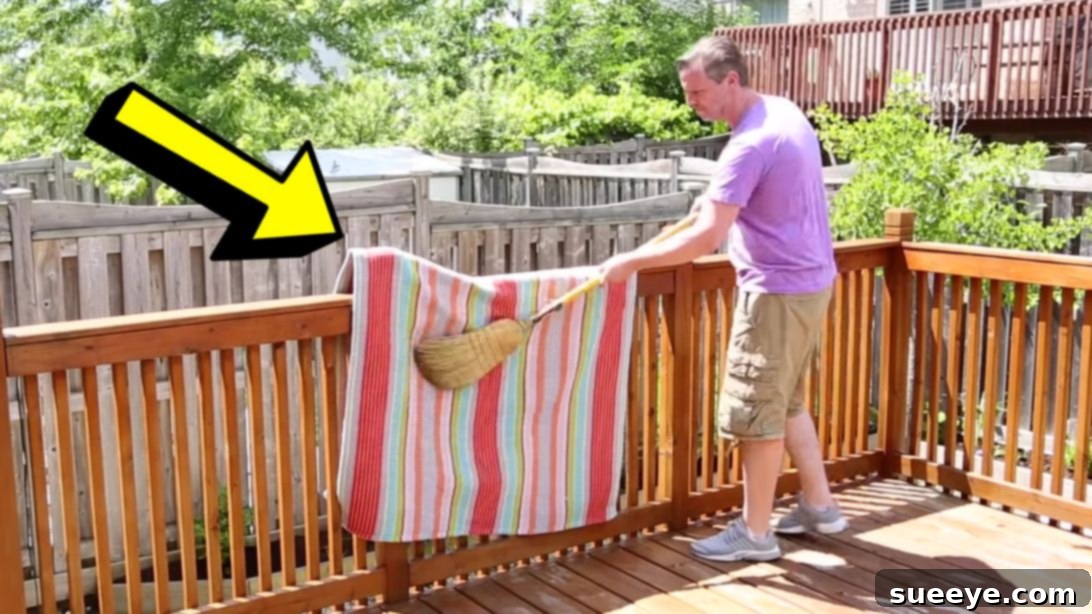
Soft furnishings like area rugs, decorative cushions, and pillows are notorious dust magnets. Their fibers act like sponges, trapping dust, pet dander, and allergens deep within their material. Regular vacuuming is good, but it often isn’t enough to dislodge deeply embedded particles. A more aggressive approach is needed periodically.
- The “Beat It Out” Method: At least three to four times a year, or more frequently if you have pets or allergies, take your area rugs, cushions, and removable pillow covers outside. Hang rugs over a sturdy clothesline or fence. Using a broom handle, tennis racket, or a carpet beater, vigorously beat the items. You’ll be amazed at the clouds of dust that emerge! This process effectively loosens and expels deeply trapped particles that a vacuum might miss.
- Regular Maintenance: In between deep cleaning sessions, vacuum area rugs with a high-efficiency particulate air (HEPA) filter-equipped vacuum cleaner. Use upholstery attachments for cushions and pillows. If machine-washable, follow care instructions for your items to remove surface dust and refresh the fabric. For larger or delicate items, consider professional cleaning services annually.
- Consider Material Choices: When purchasing new soft furnishings, opt for materials that are less prone to trapping dust, such as leather, faux leather, or tightly woven fabrics that can be easily wiped clean.
4. Prioritize Your HVAC System: Replace Air Filters and Clean Vents
Your heating, ventilation, and air conditioning (HVAC) system is crucial for maintaining comfortable indoor temperatures, but it also plays a significant role in circulating air – and potentially dust – throughout your home. A well-maintained HVAC system is a powerful ally in your dust-proofing efforts.
- Regular Air Filter Replacement: Air filters are designed to capture airborne particles, including dust, pollen, and pet dander, before they are circulated into your living spaces. Over time, these filters become clogged, reducing their effectiveness and forcing your HVAC system to work harder, which can increase energy costs. A clogged filter will eventually stop trapping dust and may even re-circulate accumulated debris back into your home, compromising air quality.
- Frequency: Aim to change your air filters at least every three months, ideally with the change of each season (four times a year). If you have pets, allergies, or live in a particularly dusty environment, consider changing them monthly.
- Filter Type: Invest in high-quality pleated filters with a MERV (Minimum Efficiency Reporting Value) rating between 8 and 11. These filters offer a good balance of effective dust capture and proper airflow for most residential systems.
- Clean Vents and Registers: Don’t overlook the vents and registers. Dust can accumulate on these surfaces, eventually falling back into the room. Use a vacuum cleaner with a brush attachment to regularly clean the grates of your return and supply vents. For deeper cleaning, remove the vent covers, wash them with warm soapy water, and allow them to dry completely before reattaching.
5. Ditch Feather Dusters for Superior Dust-Trapping Tools
The traditional feather duster, while seemingly charming, is often counterproductive when it comes to effectively removing dust. Its primary flaw is that it tends to merely push dust around, scattering it into the air and onto other surfaces rather than trapping and removing it. For a truly dust-free environment, it’s time to upgrade your dusting arsenal.
- Embrace Microfiber: Microfiber cloths are revolutionary for dusting. Their unique, ultra-fine fibers have a static charge and an increased surface area that effectively attracts, captures, and holds onto dust particles.
- Dry Dusting: Use a dry microfiber cloth for light dusting on electronics, delicate items, and surfaces that shouldn’t get wet. The static charge will do most of the work.
- Damp Dusting: For more stubborn dust or for a deeper clean, slightly dampen a microfiber cloth with water or a mild cleaning solution. The dampness helps to pick up and hold even the smallest particles, preventing them from becoming airborne. Always wring out the cloth thoroughly so it’s just damp, not wet.
- Effective Dusting Technique: Always dust from top to bottom, allowing any displaced dust to fall onto lower surfaces, which you will then clean. Fold your microfiber cloth into quarters to give yourself eight clean dusting surfaces. Once a section is dirty, refold to a clean side. After use, wash microfiber cloths separately in warm water without fabric softener, which can diminish their effectiveness.
- Other Superior Tools: For hard-to-reach areas, consider using extendable dusters with washable microfiber heads. For blinds and intricate objects, small brushes or vacuum attachments with soft bristles are also highly effective at lifting and removing dust without redistribution.
Beyond the Basics: Maintaining Your Dust-Free Haven
While the five core strategies form the backbone of a dust-proof home, ongoing habits and additional considerations can further enhance your success:
- Declutter Regularly: Less clutter means fewer surfaces for dust to settle on and fewer items to dust. Periodically go through your belongings and donate or discard what you no longer need.
- Vacuum Smart: Invest in a vacuum cleaner with strong suction and a HEPA filter. Vacuum carpets and rugs at least once or twice a week, and hard floors even more frequently if possible. Use attachments for upholstery, curtains, and corners.
- Wash Bedding Frequently: Your bed is a major source of dust, skin cells, and pet dander. Wash sheets, pillowcases, and duvet covers weekly in hot water to kill dust mites and remove accumulated dust.
- Maintain Humidity Levels: Extremely dry air can cause dust to become more airborne, while very high humidity can encourage dust mites and mold. Aim for indoor humidity levels between 30% and 50% using a humidifier or dehumidifier as needed.
- Groom Pets Regularly: If you have pets, regular brushing, especially outdoors, can significantly reduce pet dander and loose fur that contributes to household dust.
- Air Purifiers: Consider investing in a standalone air purifier with a HEPA filter for rooms where dust is particularly problematic, such as bedrooms or living areas.
Embrace a Healthier, Cleaner Home Today
Transforming your home into a dust-free sanctuary is an ongoing journey, but one with incredibly rewarding results. By implementing these practical and proactive strategies, you’re not just making your home look cleaner; you’re actively improving its indoor air quality, reducing allergens, and creating a healthier, more comfortable environment for yourself and your loved ones. The effort you put into preventing dust will be returned tenfold in reduced cleaning time, enhanced well-being, and the sheer pleasure of living in a truly pristine space. Start small, be consistent, and soon you’ll be breathing easier in a home that feels wonderfully fresh and clean.
All images featured in this guide are credited to Clean My Space via YouTube. We highly recommend visiting her channel and subscribing for more expert cleaning tips and tutorials!