
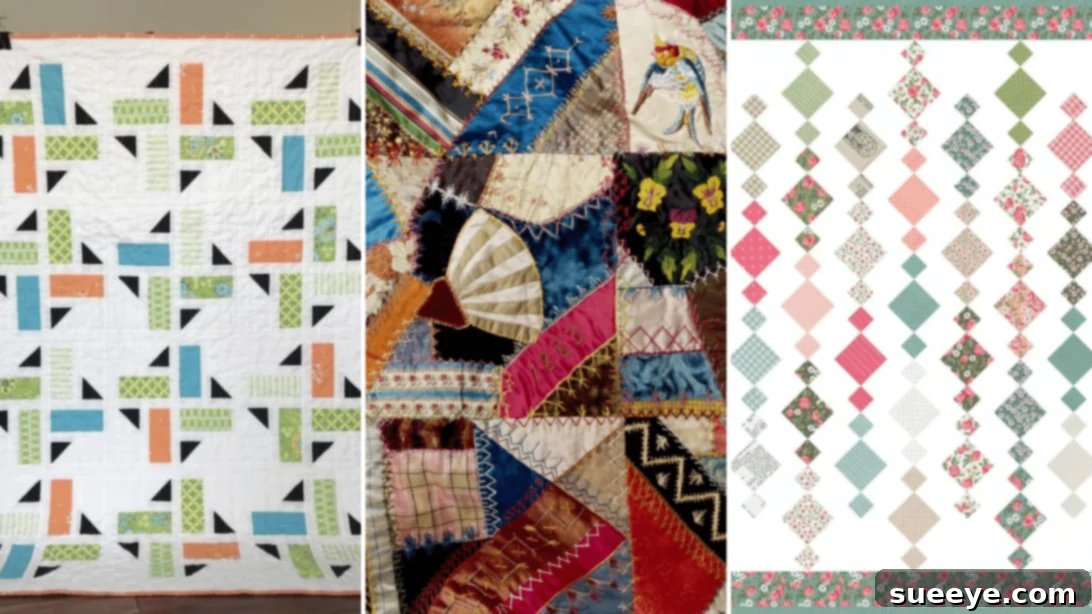
Quilting, an art form cherished by many, offers a wonderful blend of creativity, craftsmanship, and comfort. For enthusiasts and newcomers alike, the journey into quilting is an exploration of color, texture, and storytelling through fabric. Whether you’re working with a carefully curated collection of fabrics or making the most of precious scraps, understanding the diverse range of quilting techniques available can elevate your projects and unlock new artistic possibilities. If you’re just beginning your quilting adventure, or even if you’re a seasoned crafter looking to broaden your horizons, familiarizing yourself with various methods is an excellent step. This comprehensive guide will introduce you to some of the most popular and rewarding quilting techniques, ensuring you find the perfect style to match your vision and skill level. For a visual demonstration, consider watching informative tutorials like those by Jacque Russell Creates on YouTube, which can provide invaluable insights as you embark on your next project.
Exploring Quilting Techniques: A Comprehensive Guide
The world of quilting is vast and inspiring, encompassing a myriad of techniques that cater to different aesthetic preferences, skill sets, and project requirements. From the simplest assembly of fabric pieces to intricate embellishments, each method offers a unique pathway to creating beautiful and functional textile art. Below, we delve into seven essential quilting techniques that every quilter, regardless of experience, should know.
1. Patchwork Quilt: The Foundation of Quilting
The patchwork quilt stands as the cornerstone of quilting, a technique that has been passed down through generations and remains incredibly popular today. It involves sewing together small pieces of fabric, often referred to as “patches,” to create larger, cohesive blocks or patterns. This method is incredibly versatile, suitable for both absolute beginners and experienced quilters. The beauty of patchwork lies in its simplicity and the endless design possibilities it offers. You can experiment with a wide array of shapes, from fundamental squares, rectangles, and triangles to more complex hexagons, diamonds, or even gentle curves. These individual fabric pieces are meticulously cut and then stitched together, typically with a quarter-inch seam allowance, to form intricate designs that can range from traditional geometric patterns to modern, abstract compositions. Patchwork teaches fundamental sewing skills, such as precise cutting, accurate seam allowances, and careful pressing, making it an ideal starting point for anyone new to the craft. Furthermore, it’s a fantastic way to utilize fabric scraps, transforming what might otherwise be discarded into a cherished piece of art.
2. Charm Quilt: A Burst of Color and Pattern
A charm quilt is a delightful variation that leverages the patchwork method to create visually busy and wonderfully vibrant designs. This technique typically utilizes “charm packs,” which are pre-cut bundles of 5-inch fabric squares, often featuring a diverse collection of prints and colors from a specific fabric line. The distinctiveness of a charm quilt comes from using a different fabric for almost every single square, resulting in a quilt that is rich in variety and visual interest. This approach makes charm quilts an excellent option for quick and satisfying projects, as the cutting is already done for you. The sheer variety of patterns and hues within a charm pack ensures a dynamic and playful aesthetic. These quilts are particularly well-suited for creating cheerful items such as children’s playroom mats, cozy bedroom quilts, or decorative throw pillows that add a pop of color and personality to any space. They are a celebration of fabric diversity, making each piece a unique display of carefully chosen prints and tones.
3. Crazy Quilt: Victorian Elegance and Artistic Freedom
Dating back to the opulent Victorian era, the crazy quilt is a testament to artistic expression and luxurious craftsmanship. Unlike traditional patchwork that relies on regular shapes and orderly arrangements, the crazy quilt embraces an intentional randomness. This intricate technique involves piecing together irregular, odd-shaped scraps of fabric, often chosen for their varied textures and rich patterns, without following a strict pattern. Silks, velvets, satins, and brocades were commonly used in historical crazy quilts, often salvaged from old garments or remnants. What truly sets the crazy quilt apart is the extensive use of decorative embroidery stitches and embellishments to cover the seams where the fabric pieces meet. This allows quilters to showcase a wide range of embroidery skills, utilizing a diverse array of stitches, beads, buttons, and other adornments. The resulting quilt is a free-spirited, bohemian masterpiece, brimming with texture, color, and intricate details, each telling its own unique story. It’s a truly personalized art form, reflecting the quilter’s individual taste and creativity.
4. Crumb Quilt: Sustainable Art from Scraps
The crumb quilt is an ingenious and eco-friendly quilting technique that champions sustainability by utilizing even the tiniest fabric scraps – often referred to as “crumbs.” Similar in its use of odd-shaped pieces to the crazy quilt, the crumb quilt creates a beautiful mosaic effect, but with a typically more focused approach. While crazy quilts often mix various fabric types, crumb quilts usually stick to a single type of fabric, predominantly quilting cotton, to create blocks from a multitude of small scraps. These “crumbs” can be as small as an inch or two across, and they are sewn together onto a foundation fabric, either in a uniform, structured manner or in a completely sporadic, improvisational style. This technique is perfect for reducing fabric waste and transforming what would otherwise be discarded into stunning, vibrant projects. The process of assembling these tiny pieces can be meditative and incredibly rewarding, as each crumb contributes to a larger, cohesive design, forming dynamic patterns and textures that are both visually captivating and environmentally conscious.
5. Applique Quilt: Adding Dimension and Storytelling
Appliqué quilting opens up a world of endless design possibilities, allowing quilters to add intricate details, images, and storytelling elements to their projects. This technique involves cutting specific shapes from one piece of fabric and then attaching them onto a larger background fabric, or “appliquéing” them, to create a layered design. The process is straightforward yet incredibly versatile: once a shape is cut, it is carefully positioned on the quilt top and then secured. There are various methods for attaching appliqué pieces, each offering a distinct finish. You can opt for a raw edge appliqué, where the edges are left unfinished for a modern or slightly distressed look. Alternatively, a zigzag stitch can be used along the edges to prevent fraying and add a decorative touch. For a more refined and traditional appearance, needle-turn appliqué involves turning under the raw edges as you sew, resulting in a smooth, clean finish. Fusible web can also be used for a quicker, machine-friendly method. Appliqué allows for pictorial designs, intricate floral motifs, or abstract shapes, adding depth, texture, and a unique artistic dimension to any quilt project.
6. Embroidery Quilt: Personalization and Fine Detail
An embroidery quilt blends the craft of quilting with the delicate art of embroidery, offering immense opportunities for personalization and detailed embellishment. This technique involves adding decorative stitching to quilt blocks, either by hand or using a machine. Embroidery can be incorporated into a few focal blocks or spread across the entire quilt, transforming it into a personalized keepsake. The beauty of an embroidery quilt lies in its ability to tell stories, commemorate events, or simply add intricate beauty. Imagine a quilt adorned with personalized elements such as favorite quotes, meaningful bible verses, playful cartoon characters, or elegant floral designs. It’s a fantastic way to infuse a quilt with sentimentality, making it an ideal gift for loved ones. You can embroider names, significant dates, or even small portraits, creating a truly unique and cherished item that reflects the recipient’s personality or a special memory. Whether you prefer the meditative rhythm of hand embroidery or the precision and speed of a machine, this technique adds a layer of artistry and individuality that makes each quilt truly one-of-a-kind.
7. English Paper Piecing (EPP): Precision and Portability
English Paper Piecing, often affectionately known as EPP, is a time-honored hand-sewing technique celebrated for its precision, portability, and the stunning intricate patterns it can achieve. This method involves using paper templates to create perfectly formed fabric shapes, most commonly hexagons, but also diamonds, triangles, and other geometric forms. The process begins by cutting your desired shape from a thick piece of paper (or specialized EPP paper). This paper shape serves as a stable foundation. You then place a piece of fabric slightly larger than the paper template over it and carefully curl or fold the edges of the fabric over the paper template, basting them in place. Once several fabric-wrapped pieces are prepared, they are meticulously whip-stitched together along their folded edges, forming intricate patterns such as the classic Grandmother’s Flower Garden. After the shapes are stitched together into a block or unit, the paper templates are gently torn away from the center, leaving behind perfectly formed fabric pieces. EPP is a wonderful project for travel or quiet moments, as it requires minimal equipment and is easily portable. It’s renowned for producing exceptionally accurate and beautiful designs, making it a favorite for those who appreciate precision and the meditative rhythm of hand sewing.
Choosing Your Quilting Adventure: Tips for Every Skill Level
With such a rich variety of quilting techniques available, deciding where to start can be an exciting challenge. Consider your current skill level: patchwork is an excellent entry point for beginners, while techniques like crazy quilting or intricate English Paper Piecing might appeal to those looking for a more advanced or meditative project. Think about the type of fabrics you have on hand; crumb quilting, for example, is perfect for utilizing a collection of tiny scraps. Your desired aesthetic also plays a crucial role – do you prefer the orderly beauty of geometric patterns, the free-form artistry of crazy quilts, or the narrative charm of appliqué? Each technique offers a unique way to express your creativity. Don’t be afraid to experiment! Start with a small project in a new technique to build confidence, and remember that every stitch is a step in your creative journey. The quilting community is incredibly supportive, and there are countless resources, from online tutorials to local guilds, ready to inspire and guide you.
Conclusion: Embrace the Art of Quilting
Quilting is more than just sewing fabric; it’s a creative outlet, a historical craft, and a therapeutic hobby that yields beautiful, lasting results. By understanding these fundamental quilting techniques – Patchwork, Charm, Crazy, Crumb, Appliqué, Embroidery, and English Paper Piecing – you are well-equipped to embark on a myriad of projects. Each method offers its unique charm and challenges, inviting you to explore different facets of textile artistry. Whether you aim to create a cozy blanket, a decorative wall hanging, or a personalized gift, the world of quilting is full of endless possibilities waiting to be discovered. So gather your fabrics, choose your technique, and let your creativity flow. Happy quilting!
*All image credit belongs to Jacque Russell Creates via YouTube. Follow and subscribe to her channel for more inspiring content!