
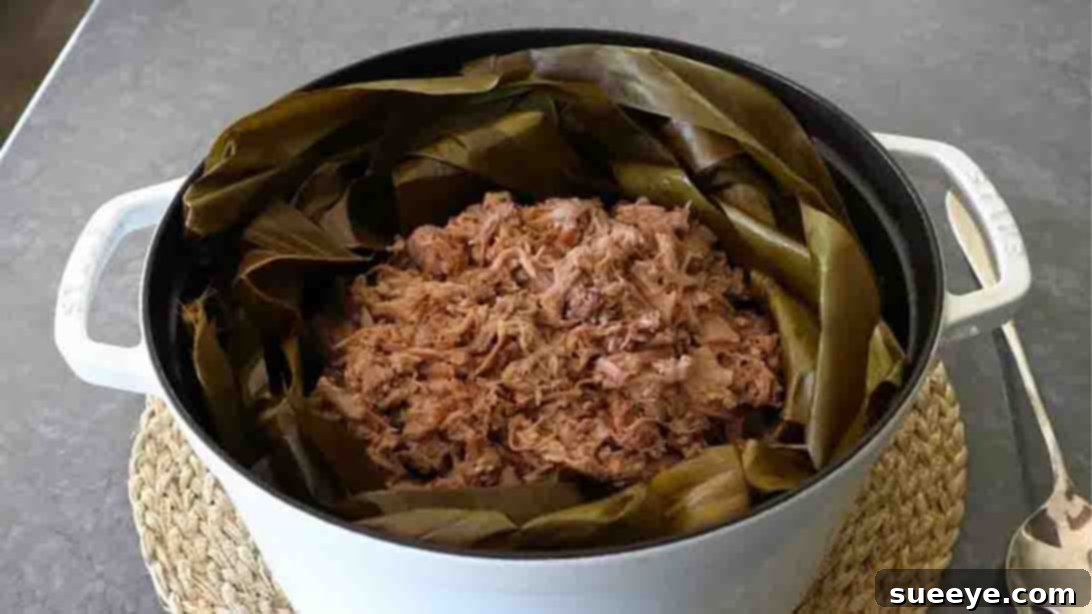
Kalua pork, a culinary jewel of the Hawaiian Islands, stands as a testament to simple ingredients transformed into something extraordinary. Renowned for its unparalleled succulence, melt-in-your-mouth texture, and an irresistible smoky depth, this iconic dish is the heart and soul of any traditional Hawaiian luau. While its origins lie in the ancient technique of cooking in an underground oven called an imu, the good news is that you don’t need to dig a pit in your backyard to experience this paradise on a plate. With a few simple ingredients and techniques, you can recreate the magic of authentic Kalua pork right in your kitchen or conventional oven.
This comprehensive guide will walk you through crafting your own homemade Kalua pork, ensuring every bite transports your taste buds to the sun-drenched shores of Hawaii. Get ready to impress your family and friends with a dish that promises rich flavor, tender perfection, and a touch of aloha spirit. For a visual guide to this incredible recipe, check out the detailed instructions from Food Wishes on YouTube – a fantastic resource for culinary inspiration.
RELATED: Don’t miss out on another fantastic slow-cooked delicacy: Slow Cooker Dr. Pepper Pulled Pork.
Mastering Hawaiian-Style Kalua Pork: A Taste of the Islands at Home
What is Kalua Pork? A Culinary Tradition
Kalua pork isn’t just a meal; it’s a cultural cornerstone deeply woven into the fabric of Hawaiian festivities. The term “Kalua” literally translates to “to cook in an underground oven.” Traditionally, a whole pig is seasoned, wrapped in ti leaves or banana leaves, and slow-cooked for hours within an imu – a pit dug into the earth, lined with hot volcanic rocks, and covered to trap the heat and smoke. This ancient method imparts a distinct earthy, smoky flavor and renders the meat incredibly tender, allowing it to be easily shredded.
The beauty of Kalua pork lies in its simplicity. Historically, it was a practical and effective way to feed large gatherings. Today, while luaus still proudly feature the imu, modern home cooks have adapted ingenious ways to capture that authentic taste without the need for an elaborate underground setup. Our recipe focuses on mimicking the imu’s low-and-slow cooking environment and smoky essence, bringing this beloved Hawaiian tradition into your own home kitchen.
The Secret to Succulence: Ingredients Unveiled
Crafting mouth-watering Kalua pork requires surprisingly few ingredients, each playing a crucial role in achieving its signature flavor and texture. Quality ingredients are key here, as they allow the natural flavors to shine through.
Ingredients:
- 1 (4 ½ lb) Bone-in Pork Shoulder Roast: Also known as Boston butt, this cut is the star of our show. The bone adds extra flavor and helps distribute heat evenly, while its generous marbling of fat and connective tissue breaks down beautifully during slow cooking, resulting in incredibly tender, juicy meat. Don’t be tempted to use leaner cuts, as they won’t achieve the same melt-in-your-mouth texture.
- 4 tsp Liquid Hickory Smoke: This is our secret weapon for replicating the deep, smoky flavor traditionally imparted by the imu. Hickory liquid smoke provides an authentic woody note without needing a smoker. Adjust the amount to your preference – some prefer a stronger smoky essence, while others like it more subtle.
- 3 tbsp Sea Salt: A generous amount of sea salt is essential for seasoning the pork and drawing out its natural flavors. Hawaiian sea salt is traditionally used, but any good quality coarse sea salt will work wonderfully. It not only seasons but also helps to cure the meat slightly, contributing to its tender outcome.
- 1 (4 oz) Package of Frozen Banana Leaves, Thawed: Banana leaves are more than just a wrapper; they’re integral to the cooking process. They impart a subtle, sweet, and earthy aroma to the pork, while also locking in moisture and creating a natural steaming environment within the Dutch oven. You can typically find frozen banana leaves in Asian or international grocery stores. Ensure they are fully thawed and pliable before use.
Step-by-Step Guide to Hawaiian Kalua Pork
Follow these detailed instructions carefully to achieve perfectly tender and flavorful Kalua pork. Patience is key, as low and slow cooking is what transforms the pork shoulder into its succulent best.
Step 1: Preparation and Wrapping the Pork
Begin by preheating your oven to a steady 325 degrees F (160 degrees C). This ensures the oven is at the optimal temperature for slow cooking from the moment your pork goes in. Next, take your pork shoulder roast and generously rub it all over with approximately 4 teaspoons of liquid hickory smoke. Make sure every surface of the pork is coated, as this is where much of our “imu” smoky flavor will come from. Following the liquid smoke, sprinkle the pork evenly with 3 tablespoons of sea salt. Give it another thorough rub down to ensure the salt is distributed uniformly, penetrating the meat and seasoning it deeply. Set the seasoned pork aside momentarily.
Now, prepare your banana leaves. Carefully cut the long, thawed banana leaves in half lengthwise, creating more manageable pieces. On your clean working surface, lay out these banana leaf halves, crisscrossing and overlapping them slightly to create a large enough bed to fully enclose the pork. The goal is to form a sturdy, sealed package. Place the seasoned pork on top of the banana leaf bed, ensuring the fat side is facing down. This allows the fat to slowly render and baste the meat as it cooks. Gather the ends of the banana leaves and meticulously bring them up over the meat, tightly wrapping the pork into a neat, secure package. The tighter the wrap, the better the leaves will hold in moisture. Once wrapped, carefully pick up the package and flip it over, placing it seam-side down into a heavy-bottomed Dutch oven. This helps to keep the leaves securely closed during cooking. If you have extra banana leaves, tuck them around the outside of the pork within the Dutch oven and place one last piece on top of the wrapped pork for added moisture and aroma. This creates an ideal environment for slow, moist cooking, mimicking the traditional imu.
Step 2: Slow Cooking and Shredding
Once the pork is snugly wrapped in banana leaves and placed in the Dutch oven, securely pop on the lid. Transfer the covered Dutch oven to the center rack of your preheated 325 degrees F (160 degrees C) oven. Now, let the magic happen! Cook the pork for approximately four hours. The exact cooking time can vary slightly depending on your oven and the size of your roast, so the most reliable indicator of doneness is the internal temperature. The pork is perfectly cooked when it reaches an internal temperature of between 195 and 200 degrees F (90-93 degrees C). At this temperature, the connective tissues have completely broken down, ensuring the meat is fall-apart tender.
After the cooking time, carefully remove the Dutch oven from the oven. Resist the urge to immediately open it! It’s crucial to let the pork rest, still covered, for about 30 minutes to an hour. This resting period allows the juices to redistribute throughout the meat, resulting in a more moist and flavorful final product. Skipping this step can lead to dry pork, as the juices would simply run out when you shred it. Once rested, carefully transfer the magnificent Kalua pork from the Dutch oven into a large, sturdy bowl. Using two forks (or even clean hands protected by heat-resistant gloves), begin to shred the pork into small, succulent pieces. It should be incredibly tender and easily pull apart. As you shred, discard the bone and any large pieces of rendered fat you encounter, though some fat is desirable for flavor and moisture. Finally, once shredded, transfer the pork back into the pot with its delicious accumulated juices. Stir the shredded pork gently in these juices to reincorporate all the wonderful flavors. Your authentic Hawaiian-style Kalua pork is now ready to be served and enjoyed!
Serving Suggestions and Perfect Pairings
The beauty of Kalua pork lies not only in its incredible flavor but also in its versatility. While it’s fantastic on its own, served simply with white rice, there are countless ways to enjoy this Hawaiian delicacy.
- Traditional Hawaiian Plate: Serve alongside classic accompaniments like poi (a taro paste), lomi salmon (a fresh tomato and salmon salad), and steamed cabbage for an authentic luau experience.
- Kalua Pork & Cabbage: A popular and easy pairing. Simply stir shredded Kalua pork with sautéed or steamed cabbage for a satisfying meal.
- Sliders & Sandwiches: Pile the tender pork high on Hawaiian sweet rolls or brioche buns. Add a dollop of coleslaw or a slice of pineapple for an extra touch.
- Tacos & Nachos: Use Kalua pork as a delicious filling for soft tacos or as a topping for loaded nachos, complete with your favorite salsa, cheese, and guacamole.
- Stuffed Sweet Potatoes: Roast sweet potatoes until tender, then split them open and stuff them generously with Kalua pork. A sprinkle of green onions or a drizzle of spicy mayo takes this dish to the next level.
- Breakfast Hash: Repurpose leftovers by dicing the pork and frying it with potatoes and onions for a hearty breakfast hash, topped with a fried egg.
- Salads: Add a smoky, savory dimension to your green salads. Kalua pork pairs particularly well with tropical fruits like mango or pineapple in a refreshing salad.
Pair your Kalua pork with light, refreshing beverages like iced tea, fresh fruit juices, or a crisp lager to complement its rich flavors.
Pro Tips for Kalua Pork Perfection
To ensure your homemade Kalua pork is nothing short of spectacular, keep these expert tips in mind:
- Don’t Rush the Process: The key to tender Kalua pork is slow cooking. Resist the urge to crank up the oven temperature, as this will result in dry, tough meat. Patience is truly a virtue in this recipe.
- Invest in a Meat Thermometer: While cooking time is a good guide, an internal meat thermometer is your best friend. It takes the guesswork out of knowing when your pork is perfectly cooked (195-200°F / 90-93°C).
- The Resting Period is Non-Negotiable: Allow the pork to rest, covered, for at least 30 minutes after cooking. This allows the muscle fibers to relax and reabsorb the juices, ensuring a supremely moist and flavorful result.
- Seal Those Banana Leaves Tightly: A good, tight wrap in the banana leaves (and extra leaves in the Dutch oven) creates a self-basting, steaming environment that keeps the pork incredibly moist. If you can’t find banana leaves, heavy-duty foil can be used, though you’ll miss out on the subtle aromatic contribution of the leaves.
- Adjust Smoke to Taste: Four teaspoons of liquid smoke provides a good baseline, but feel free to adjust up or down slightly on future attempts to find your preferred level of smokiness.
- Batch Cook and Freeze: Kalua pork freezes beautifully. Consider making a larger batch and freezing portions for quick and easy meals later. Store in airtight containers or freezer bags for up to 3 months.
- Utilize the Juices: Don’t discard the flavorful cooking liquid! After shredding, return the pork to these juices. They add immense flavor and keep the pork wonderfully moist.
The Ultimate Hawaiian Comfort Food: At Your Fingertips
There’s a reason Kalua pork holds such a revered place in Hawaiian cuisine. Its simple yet profound flavors evoke images of warm island breezes, vibrant luaus, and the spirit of aloha. By following this detailed recipe, you can bring that authentic taste and feeling right into your own home, without needing an elaborate underground oven.
Whether you’re hosting a themed party, looking for a delicious weekend project, or simply craving a taste of tropical paradise, this Hawaiian-style Kalua pork recipe is guaranteed to deliver. Its succulent texture and smoky, salty notes make it an unforgettable meal that’s surprisingly easy to achieve. So, gather your ingredients, set aside some time for slow cooking, and prepare to embark on a culinary journey to Hawaii. Enjoy the process, savor the aromas, and most importantly, delight in every tender, flavorful bite of your homemade Kalua pork.
Aloha and happy cooking!