
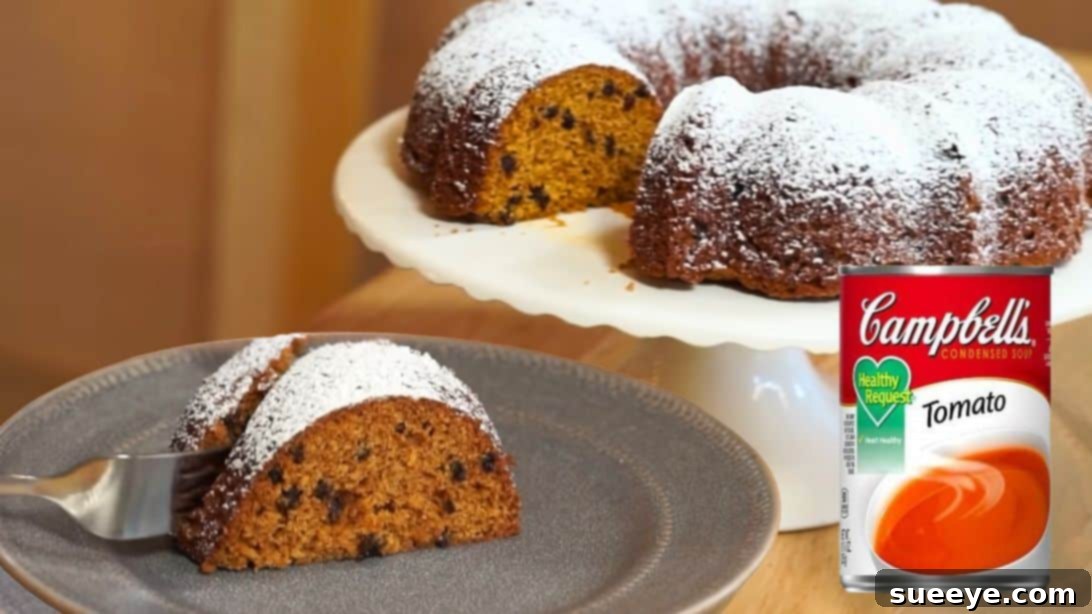
The Surprisingly Delicious Vintage Tomato Soup Cake: A Recipe That Defies Expectations
Prepare to have your culinary perceptions delightfully challenged! The mention of “Tomato Soup Cake” often elicits reactions ranging from skepticism and confusion to outright disbelief. I admit, when this peculiar recipe first popped up in my feed, I scrolled right past it, convinced it couldn’t possibly be good. Yet, the idea, intriguing and persistent, lingered in my mind for days. Eventually, curiosity got the better of me, and last weekend, I decided to take the plunge and try it out.
I followed a recipe by the talented emmymade on YouTube, known for her explorations of vintage and unusual recipes. To my utter astonishment, the result was nothing short of spectacular. This cake is not just edible; it’s genuinely delicious, incredibly moist, and wonderfully spiced. And here’s the best part, for all the skeptics out there: no, it does NOT taste like tomatoes at all! This humble dessert, often categorized as a “mystery cake” or a “depression-era cake,” holds a special place in culinary history, proving that ingenuity can transform everyday pantry staples into delightful treats. If you’re looking for a conversation-starting dessert that’s both easy to make and unexpectedly tasty, you’ve found your next baking project.
RELATED: How to Keep Tomatoes Fresh Longer
The Intriguing History of Tomato Soup Cake
To truly appreciate this unique cake, it’s worth delving into its origins. The Tomato Soup Cake rose to prominence during challenging economic times, particularly the Great Depression and World War II, when ingredients like butter, milk, and eggs were scarce or rationed. Homemakers, driven by necessity and a desire to provide comforting treats for their families, turned to innovative substitutes. Condensed tomato soup, readily available and surprisingly versatile, became an unexpected hero in the kitchen.
Early versions of this recipe often appeared on the back of condensed tomato soup cans, encouraging frugal creativity among American households. It quickly gained popularity for its ability to produce a remarkably moist and flavorful cake without relying on traditional dairy or eggs. This historical context adds another layer of charm to the cake, reminding us of a time when resourcefulness was key to culinary success. Today, it stands as a beloved vintage recipe, cherished for its simplicity, its delightful defiance of expectations, and its enduring legacy in American baking.
The Secret Behind Its Unconventional Charm: Why It Works So Well
One of the most peculiar, yet brilliant, aspects of this recipe is its minimal reliance on traditional wet ingredients. Forget butter, eggs, or even milk – for this recipe, a single can of condensed tomato soup takes center stage as the primary liquid component. How cool and innovative is that? This unusual ingredient list often raises concerns about the cake’s texture, particularly the worry that it might turn out dry or crumbly due to the batter’s initial thickness.
However, the magic of the tomato soup quickly dispels these fears. The condensed soup provides an incredible amount of moisture, resulting in a cake that is remarkably soft, tender, and incredibly moist even days after baking. Beyond just moisture, the natural acidity present in the tomatoes interacts beautifully with the baking soda and baking powder in the recipe. This chemical reaction contributes to a fantastic rise and an exceptionally tender crumb, giving the cake its light yet substantial texture. Furthermore, the subtle blend of spices often found in condensed tomato soup (think hints of onion, celery, and bay leaf) perfectly complements the warm, aromatic spices like cinnamon, cloves, and nutmeg added to the batter. This synergy creates a complex and inviting flavor profile that is wonderfully sweet and spicy, completely masking any savory “tomatoey” taste. It’s truly a marvel of culinary chemistry, proving that sometimes, the most unconventional ingredients yield the most delightful and surprising results. Give this classic, surprising recipe a try, and prepare to be converted!
Here’s another old-fashioned cake recipe for you to explore: Chocolate-Mayonnaise Cake Recipe
Easy Tomato Soup Cake Ingredients
- 2 cups all-purpose flour
- 1 teaspoon baking soda
- 3 teaspoons baking powder
- 1 teaspoon ground cinnamon
- 1/2 teaspoon ground cloves
- 1 teaspoon ground nutmeg
- 1/2 cup solid vegetable shortening (such as Crisco)
- 1 cup granulated sugar
- 1 (10.75 ounce) can condensed tomato soup (undiluted)
- 1 cup raisins (optional, but highly recommended for texture and sweetness)
- Powdered sugar or cocoa powder for dusting (optional, for garnish)
Ingredient Notes and Essential Tips:
- Flour: Always use standard all-purpose flour. Sifting it is a non-negotiable step for achieving a light and airy cake texture. It prevents lumps and aerates the flour.
- Baking Soda & Baking Powder: The combination of both leavening agents is crucial. They work in tandem with the natural acidity of the tomato soup to ensure a beautiful rise, an open crumb structure, and that signature tender texture.
- Spices: Cinnamon, cloves, and nutmeg form the traditional aromatic foundation, creating a warm, inviting, and distinctly old-fashioned flavor. Feel free to adjust the amounts to your personal preference, or add a pinch of allspice or ground ginger for an extra layer of depth.
- Shortening: Solid vegetable shortening is key to the cake’s incredibly moist crumb and tender, almost velvety texture. While butter can be substituted, shortening is traditional for this recipe and often yields a more delicate and uniquely soft crumb. Ensure it’s at room temperature or slightly softened for easier blending.
- Tomato Soup: This is the star ingredient! Absolutely make sure to use *condensed* tomato soup and, critically, do not dilute it with water or milk. This concentrated form is what provides the essential moisture and subtle flavor notes without imparting any overt tomato taste to the final cake.
- Raisins: These add delightful bursts of natural sweetness and a pleasant chewiness that complements the cake’s texture. If you’re not a fan of raisins, you can omit them entirely or substitute them with an equal amount of chopped walnuts or pecans for a different kind of textural contrast.
How to Make Tomato Soup Cake: A Simple Step-by-Step Guide
Step 1: Prepare Your Oven and Baking Pan
Begin by preheating your oven to a precise 350°F (175°C). Ensuring your oven is at the correct temperature before the cake enters is paramount for even baking and proper leavening. Next, carefully select your baking vessel. A 9-inch bundt pan is traditional and creates an impressive presentation, but a standard 9×13 inch rectangular baking pan or even an 8×8 or 9×9 inch square pan will also work beautifully. Whichever you choose, generously grease it with baking spray, butter, or shortening, then lightly dust it with flour. This critical step prevents the cake from sticking to the pan and ensures an effortless release once baked, preserving its beautiful form and preventing any frustration.
Step 2: Sift and Combine Dry Ingredients for a Lighter Crumb
Over a large mixing bowl, position a fine-mesh strainer or sifter. Carefully measure and add the dry ingredients: 2 cups of all-purpose flour, 1 teaspoon of baking soda, 3 teaspoons of baking powder, 1 teaspoon of ground cinnamon, 1/2 teaspoon of ground cloves, and 1 teaspoon of ground nutmeg. Sift these ingredients together thoroughly into the bowl. Sifting is not merely a suggestion; it’s an essential technique that aerates the flour, removes any potential clumps, and, most importantly, ensures that the leavening agents and spices are perfectly and evenly distributed throughout the mixture. This step is fundamental for achieving a light, tender, and uniformly textured cake.
Step 3: Integrate Wet and Dry Ingredients to Form the Batter
Into the bowl containing your meticulously sifted dry ingredients, add 1/2 cup of softened solid vegetable shortening, 1 cup of granulated sugar, the entire undiluted can of condensed tomato soup, and 1 cup of plump raisins (if using). Using a sturdy wooden spoon, a rubber spatula, or an electric mixer on a low speed, gently mix all these ingredients until they are just combined. At this stage, the batter will appear quite thick – noticeably thicker and somewhat stiffer than a typical cake batter. Do not be alarmed; this consistency is perfectly normal and expected for this unique recipe. It’s important to be careful not to overmix, as excessive mixing can overdevelop the gluten in the flour, leading to a tougher, less tender cake. Mix only until no streaks of dry ingredients remain and everything appears uniformly incorporated.
Step 4: Transfer Batter to Prepared Pan
Once your batter is perfectly mixed and your baking pan is meticulously prepared and greased, carefully transfer the thick cake batter into the bundt pan or baking pan. Use a sturdy spatula to scrape down the sides of the mixing bowl, ensuring every last bit of that delicious batter makes it into the pan. Smooth the top surface of the batter with the spatula to create an even layer; this will promote uniform baking and a beautifully finished cake. Gently tap the pan on your counter a couple of times to help release any trapped air bubbles, which can prevent large holes in your baked cake.
Step 5: Bake to Golden Perfection and Cool Properly
Carefully place the filled pan into your preheated oven. The baking time will vary depending significantly on the type and size of your pan. For a bundt pan, bake for approximately 30 to 40 minutes. If you’re using a smaller, standard baking pan (such as an 8×8 or 9×9 inch square pan), it might require a longer baking time, closer to 45 minutes to an hour. To accurately test for doneness, gently insert a clean wooden toothpick or a thin skewer into the very center of the cake. If it comes out clean with no wet batter clinging to it, your cake is perfectly baked and ready. If there’s still wet batter, continue baking for an additional 5-10 minutes and retest.
Once removed from the oven, resist the immediate urge to flip or cut into your masterpiece. Allow the cake to cool in its pan for at least 20 to 30 minutes. This crucial cooling period allows the cake’s structure to firm up and stabilize, significantly preventing it from breaking apart or crumbling when you attempt to remove it. After this initial cooling, carefully invert the bundt pan onto a wire cooling rack, or gently lift the cake from the baking pan if using a square or rectangular pan, and let it cool completely. Cooling on a wire rack ensures air circulation around all sides, preventing any condensation from making the bottom soggy and promoting an even cooling process.
Step 6: Garnish, Slice, and Savor Your Unique Creation
Once the Tomato Soup Cake has cooled completely to room temperature, it’s time for the delightful finishing touches. A simple dusting of powdered sugar creates an elegant, classic look that perfectly complements the cake’s rustic charm and spiced aroma. For an extra touch of flavor and sophistication, you could also dust it lightly with cocoa powder, a mix of cinnamon and sugar, or even a very fine sprinkle of nutmeg. If you prefer a richer and tangier topping, a classic cream cheese frosting is an absolutely divine pairing that beautifully balances the warm, spiced notes of the cake.
With your cake beautifully prepared, slice it generously and serve this unique, surprisingly delicious dessert to your eager guests. Or, simply enjoy a quiet moment with a slice and a warm cup of tea or coffee. Prepare for delighted smiles, impressed comments, and the inevitable questions about its secret ingredient – a truly enjoyable culinary reveal!
Tips for Elevating Your Tomato Soup Cake Experience
While the base recipe is incredibly straightforward and delicious, a few extra tips can truly elevate your Tomato Soup Cake from good to unforgettable:
- Avoid Overmixing: This cannot be stressed enough for any cake recipe. Overmixing develops the gluten in the flour too much, leading to a tough, dense cake. Mix just until the ingredients are combined and no dry streaks remain.
- Optimal Ingredient Temperature: While not as sensitive as some butter-based cakes, ensuring your solid vegetable shortening is soft (but not melted) can help it incorporate more smoothly into the batter, leading to a more uniform texture.
- Spice It Up: Don’t hesitate to personalize the spice blend. A pinch of ground ginger, allspice, or even a tiny amount of cardamom can add an even warmer and more complex spice profile. Experiment to find your favorite combination!
- Introduce a Nutty Dimension: For an added layer of crunch and rich flavor, fold in 1/2 cup of chopped walnuts or pecans along with the raisins. Toasting the nuts lightly before adding them can intensify their flavor even further.
- Brighten with Citrus Zest: A tablespoon of finely grated orange zest or lemon zest can remarkably brighten the cake’s overall flavor, offering a lovely counterpoint to the warm spices.
- Perfect Frosting Pairings: While delicious plain or with a simple dusting of powdered sugar, this cake truly shines when paired with a classic cream cheese frosting. The tanginess of the frosting perfectly balances the sweetness and spices. Alternatively, a lemon glaze, a simple vanilla glaze, or even a caramel drizzle would also be fantastic options.
- Smart Storage: Store any leftover cake in an airtight container at room temperature for up to 3-4 days to maintain its moisture and freshness. If you’ve frosted it with cream cheese, it’s best to store it in the refrigerator to ensure the frosting remains stable.
- The “Better Next Day” Phenomenon: Many vintage spice cakes, including this one, actually taste even better the next day. The flavors have more time to meld and deepen, resulting in a more complex and satisfying taste experience.
Creative Variations for Your Tomato Soup Cake
While the classic Tomato Soup Cake recipe is a masterpiece in itself, there’s always room for a little creative improvisation to suit your personal taste, dietary preferences, or available ingredients. Here are a few inspiring ideas to make this vintage gem uniquely your own:
- Fruit & Nut Extravaganza: Beyond traditional raisins, consider adding other dried fruits like chopped dried cranberries, golden raisins, dates, or even apricots for varied flavors and textures. For nuts, walnuts and pecans are classic, but a mix of chopped almonds, hazelnuts, or even a sprinkle of toasted coconut flakes could add an interesting tropical dimension.
- Spice Profile Exploration: The traditional spices are wonderfully comforting, but feel free to experiment to find your ideal blend. A dash of ground cardamom can introduce an exotic and fragrant touch, while a bit more ginger might give it a livelier, spicier kick. Play with the ratios to discover your perfect aromatic combination.
- Citrus Infusion: Incorporate the finely grated zest of an orange or a lemon directly into the batter along with the dry ingredients. The bright, fragrant citrus notes will beautifully complement the warm spices and add another vibrant layer of flavor complexity to the cake.
- Diverse Topping Ideas:
- Classic Cream Cheese Frosting: This is arguably the most popular and utterly delicious pairing. The rich, tangy sweetness of cream cheese frosting perfectly balances the cake’s subtle spice and moisture.
- Brown Butter Glaze: For a nutty, sophisticated finish, create a simple glaze using browned butter, powdered sugar, and a touch of milk or cream.
- Maple Glaze: For a delightful fall-inspired treat, whisk together powdered sugar, pure maple syrup, and a splash of milk until smooth.
- Caramel Drizzle: A luscious store-bought or homemade caramel sauce can elevate this cake to a gourmet level, adding a decadent touch.
- Transform into Cupcakes: Easily adapt this recipe to create individual cupcakes! Simply line a muffin tin with paper liners, fill each liner about two-thirds full with batter, and reduce the baking time to approximately 18-25 minutes, or until a toothpick inserted into the center of a cupcake comes out clean. This makes for a perfect, portable dessert for gatherings or lunchboxes.
Why You Absolutely Must Try This Vintage Gem
The Tomato Soup Cake is far more than just a recipe; it’s a fascinating piece of culinary history, a testament to enduring resourcefulness, and a delightful surprise wrapped in a wonderfully moist and spiced package. It bravely challenges preconceptions about ingredients and unequivocally proves that some of the most unusual combinations can lead to truly memorable and cherished flavors. It’s an ideal recipe for anyone who loves exploring vintage desserts, for those seeking an intriguing eggless or dairy-free cake option (though it does contain shortening, which can be plant-based), or simply for adventurous bakers looking for something truly unique and conversation-worthy.
Let go of your initial skepticism, just as I did. This cake is guaranteed to impress with its rich, warm spices, incredibly moist texture, and the sheer delight of revealing its secret ingredient to unsuspecting guests. It’s wonderfully easy to make, utilizes common pantry staples, and delivers a comforting, old-fashioned taste that will evoke a sense of nostalgia even if you’re trying it for the very first time. So, gather your ingredients, embrace the adventure, and prepare to add this surprisingly delicious Tomato Soup Cake to your list of cherished, unconventional bakes!