
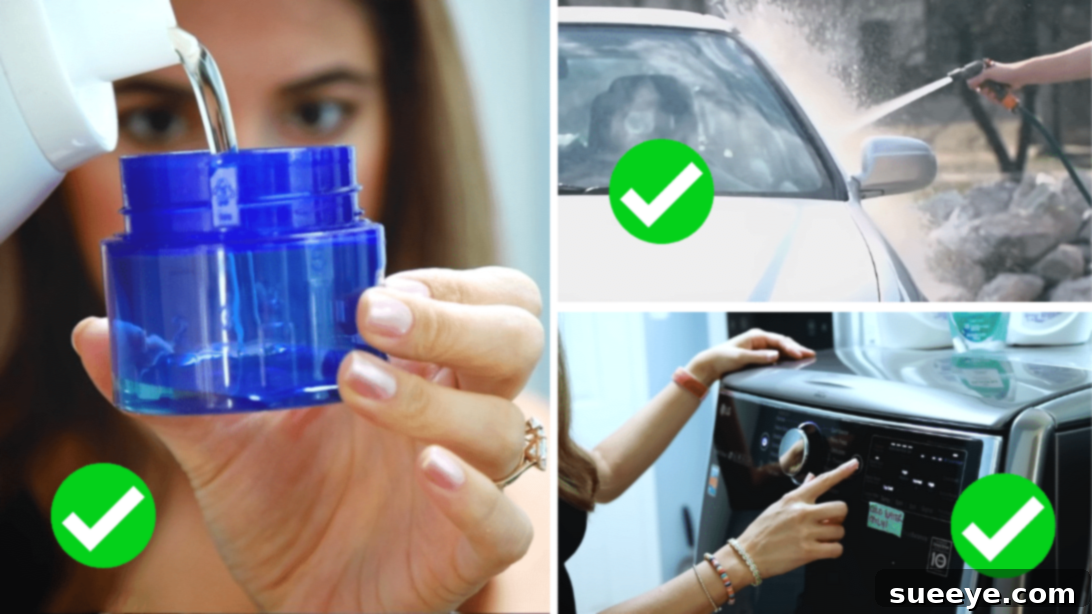
Debunking 4 Common Cleaning Myths: Clean Smarter, Not Harder
In the vast sea of information available online, cleaning tips and hacks abound. While many offer genuine utility, just as with any popular advice, some prevalent notions may not hold up under scrutiny. For truly efficient and cost-effective cleaning, it’s crucial to understand the underlying facts and scientific principles behind various methods. Misinformation can lead to wasted effort, unnecessary expenses, and even potential damage to your belongings or surfaces.
This article aims to shed light on several widely held cleaning myths, helping you distinguish between effective practices and counterproductive habits. By understanding the truth, you can streamline your cleaning routine, achieve better results, and safeguard your resources.
RELATED: 8 Life-Changing Cleaning Hacks You Must Know!
Today, we’re drawing insights from the experts at Clean My Space on YouTube, who meticulously debunk common cleaning misconceptions that many of us might currently be following. Their practical and helpful advice ensures you clean more effectively, allowing you to prioritize and focus your efforts on the areas of your home that truly need attention, saving you both time and energy.
The Top 4 Cleaning Myths We’re Debunking:
- The Necessity of Washing with Hot Water
- The Effectiveness of Leaving Your Car to Wash in the Rain
- The Belief in Constant Surface Sanitation
- The Exaggerated Threat of Bacteria on Toilet Seats
Unveiling the Truth: Debunking Common Cleaning Myths
#1: The Myth of Washing Laundry with Hot Water
For generations, the idea that hot water is essential for truly clean laundry has been deeply ingrained in our collective consciousness. This belief stemmed from a time when detergents relied on heat to properly dissolve and activate their cleaning agents. However, advancements in detergent technology have rendered this notion largely obsolete.
Modern laundry detergents, especially liquid formulas and concentrated pods, are designed to perform exceptionally well in cold water. Not only do they dissolve thoroughly, but they also effectively lift stains and refresh fabrics without the need for high temperatures. In fact, washing with hot water can sometimes be detrimental; it can cause certain stains (like blood or protein-based stains) to set into the fabric, making them much harder to remove. Hot water can also lead to color fading, fabric shrinkage, and increased energy consumption, which impacts both your utility bills and the environment.
Unless you’re dealing with specific biohazards, living on a farm with extremely soiled garments, or need to sanitize items for someone with a compromised immune system, cold water is almost always the best choice. Even the hottest regular cycle on a standard washing machine cannot effectively kill all bacteria and viruses. For genuine sanitization, you would typically need a washing machine equipped with a dedicated steam cycle or a certified sanitizing cycle, which reaches temperatures far beyond what a normal hot wash can achieve. Embrace cold water washing for most of your laundry – it’s effective, gentle on fabrics, and much more energy-efficient.
#2: The Myth of Leaving Your Car to Wash in the Rain
Many car owners might be tempted to skip a proper wash, thinking that a good rain shower will do the trick. The logic seems appealing: rain is water, and water cleans, right? Unfortunately, this is a common misconception that can actually be detrimental to your car’s finish. Just like a person needs soap and scrubbing to get truly clean in a shower, your car requires more than just plain water to remove accumulated dirt, grime, and environmental contaminants.
Rainwater, contrary to popular belief, is not pure distilled water. As it falls through the atmosphere, it picks up various pollutants, dust particles, pollen, and even acidic compounds (acid rain). When these elements land on your car, they mix with existing dirt, creating a muddy film. As the rain evaporates, these impurities are left behind, often leaving unsightly water spots and streaks. Over time, these residues, especially acidic ones, can eat away at your car’s clear coat, dulling the paint and potentially leading to permanent damage.
For a truly clean vehicle, a proper car wash involves specialized cleaning products that break down dirt and grease, coupled with manual scrubbing or high-pressure sprays to physically lift and remove contaminants. The friction from washing mitts or brushes is essential for dislodging stubborn grime. While rain can serve a useful purpose as a final rinse to wash away soap suds after a thorough wash, it should never be considered a substitute for a comprehensive cleaning. Invest in proper car care to protect your vehicle’s appearance and longevity.
#3: The Myth of Constant Sanitation of Surfaces
In an age of heightened awareness about germs, there’s a growing tendency to constantly sanitize every surface in our homes. The idea is that more cleaning equals less bacteria and therefore, better health. However, this belief often misunderstands the nature of bacteria and the human immune system. Not all bacteria are harmful; in fact, many are beneficial or harmless. Our bodies, and indeed our environments, need a certain level of “good” bacteria to thrive and to build robust immunity against truly harmful pathogens.
Regular cleaning with a simple all-purpose cleaner, soap, and water is perfectly sufficient for maintaining a healthy home environment under normal circumstances. This process effectively removes dirt, grease, and the vast majority of surface bacteria, reducing their numbers to a safe level without sterilizing the environment completely. Over-sanitizing can disrupt the natural microbial balance, potentially leading to the emergence of resistant strains of bacteria, and exposing us to harsh chemicals more frequently than necessary. Furthermore, excessive use of antibacterial products might inadvertently contribute to issues like allergies and asthma by preventing our immune systems from developing naturally.
Sanitization should be reserved for specific situations: when someone in the household is ill, after handling raw meat or poultry, or in high-traffic, high-risk areas like public restrooms. For everyday messes and general household upkeep, a balanced approach to cleaning, focusing on cleanliness rather than sterility, is the healthier and more practical choice. Let your body and your home’s microbiome do some of the work.
#4: The Myth of Toilet Seats as the Ultimate Germ Hotspot
When thinking about the germiest places in a home, the toilet seat almost invariably springs to mind as the undisputed champion. This perception is so strong that many people go to great lengths to avoid direct contact with public toilet seats or meticulously disinfect their home ones after every use. However, scientific studies paint a very different picture, revealing that our anxieties about toilet seats might be severely misplaced.
A comprehensive study involving swabbing 30 different surfaces across 30 various homes measured the average bacterial organism counts for E. coli, coliform, mold, and yeast. The results were quite surprising. While toilet seats did harbor bacteria, coming in at number 11 on the list with an average count of 266 organisms, they were far from the top of the bacterial leaderboard. The undeniable winner, by an astronomical margin, was the kitchen sponge, which averaged over 321 million organisms! This staggering number highlights a crucial oversight in many household cleaning routines.
Other surprising hotspots included kitchen sinks, cutting boards, and even cellphone screens, which often carry more bacteria than a typical toilet seat. This data suggests that our focus on hygiene might be misdirected. While regular cleaning of toilet seats is still important for general cleanliness, the fear associated with them is largely unwarranted compared to other, less obvious, germ reservoirs in our homes. The next time you find yourself worrying about the cleanliness of a toilet seat, consider the vast microbial ecosystem thriving on that kitchen sponge you just used, or the cutting board that might not have been properly sanitized after handling raw food. Shifting our focus to these true germ hotspots can lead to more effective and targeted hygiene practices.
Beyond the Myths: Embrace Smarter Cleaning
By understanding and debunking these common cleaning myths, you’re empowered to approach your household chores with greater efficiency and confidence. Moving past outdated beliefs means less wasted time and money, and more effective results. Remember, effective cleaning isn’t about scrubbing harder or sanitizing everything; it’s about understanding the science, prioritizing your efforts, and using the right methods for the right situations.
Armed with this knowledge, you can create a cleaner, healthier, and more sustainable home environment. So, take these insights, ditch the myths, and start cleaning smarter today!
*All image credit belongs to Clean My Space via YouTube. Follow and subscribe to her channel for more expert cleaning advice!