
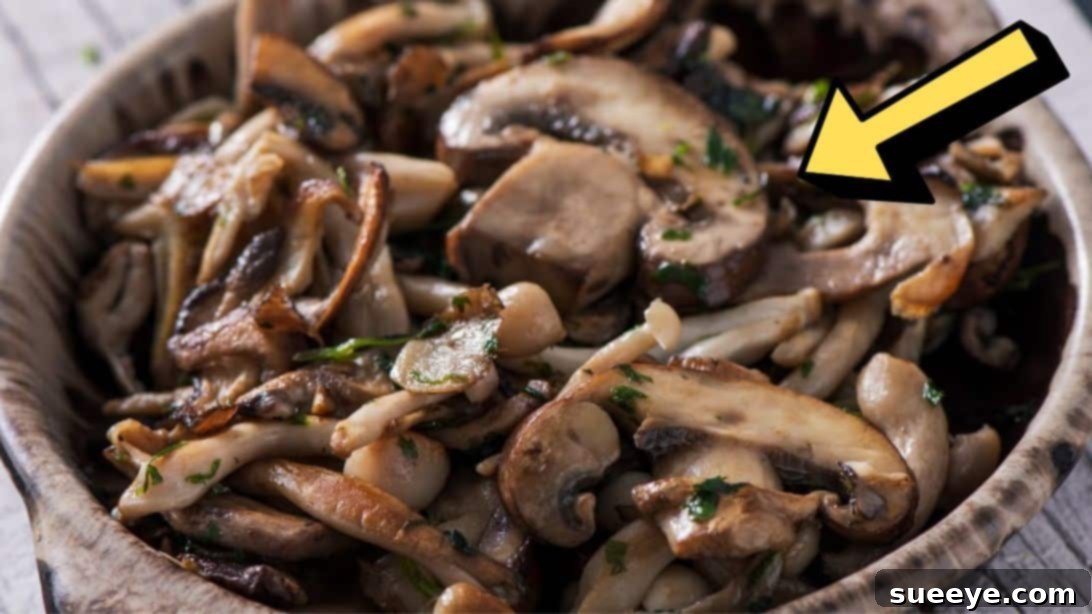
Mastering Mushroom Cookery: Unlock Peak Flavor by Avoiding These 7 Common Mistakes
Mushrooms are a beloved culinary ingredient, cherished for their unique earthy flavors, satisfying textures, and remarkable versatility in a myriad of dishes. Whether you’re making a simple sauté, a hearty stew, or an elegant risotto, the right preparation can transform these humble fungi into a star ingredient. However, many home cooks frequently encounter challenges, often resulting in mushrooms that are soggy, rubbery, or disappointingly bland. The key to achieving truly exquisite mushrooms lies not just in what you do, but critically, in understanding and avoiding common pitfalls during their preparation and cooking.
If you’ve ever found yourself wondering why your mushrooms don’t achieve that coveted golden-brown sear and intensely concentrated flavor you experience in restaurants, this comprehensive guide is for you. We will unveil the most prevalent mistakes people make when cooking mushrooms and, more importantly, provide you with actionable insights to overcome them. By grasping the simple culinary science and effective techniques behind proper mushroom cookery, you’ll elevate your dishes and consistently enjoy the most flavorful and perfectly textured mushrooms you’ve ever prepared. For additional visual guidance and inspiration, we recommend checking out insightful tips from Mashed on YouTube.
The 7 Biggest Mistakes When Cooking Mushrooms (And How To Fix Them)
Let’s dive into the critical areas where mushroom preparation often goes awry and learn how to perfect your technique for consistently delicious, umami-packed results.
Mistake #1: Washing Your Mushrooms – The Sponge Effect
One of the most enduring and detrimental myths in mushroom preparation is the belief that they require a thorough washing under running water. This practice is, in fact, counterproductive to achieving ideal texture and flavor. Mushrooms are inherently composed of a significant amount of water, and their porous structure makes them highly absorbent, much like sponges. Submerging them or rinsing them vigorously will inevitably lead to them becoming waterlogged.
The consequence of this excess moisture absorption is profound. When these waterlogged mushrooms are introduced to a hot pan, instead of developing a beautiful sear, they immediately release the absorbed water. This creates a steamy environment in the pan, which prevents the essential Maillard reaction (the browning that develops complex flavors) from occurring. The result is mushrooms that are soggy, rubbery, lack vibrant color, and have a diluted, unappealing flavor profile. You miss out on the rich, earthy notes that properly cooked mushrooms offer.
The Fix: Completely abandon the water bath. The most effective and recommended method for cleaning mushrooms is to gently brush off any visible dirt, debris, or peat with a dry or slightly damp paper towel, or a dedicated soft mushroom brush. This technique ensures that impurities are removed without introducing unnecessary moisture, leaving your mushrooms perfectly primed for optimal cooking and maximum flavor development.
Mistake #2: Cooking Them Slowly on Low Heat
A common intuition for many cooks is to use low heat for gentle cooking. However, for mushrooms, this approach is a direct path to disappointment. As we’ve highlighted, mushrooms contain a considerable amount of natural moisture. When exposed to insufficient heat, this water gradually leeches out into the pan, but the temperature isn’t high enough to evaporate it quickly. Consequently, the mushrooms end up sitting and stewing in their own released liquids.
This prolonged steaming effect prevents them from achieving that desirable golden-brown exterior and intensely savory flavor. Instead of caramelizing their natural sugars and concentrating their umami notes, you are left with mushrooms that are pale, limp, and often quite insipid. The fundamental goal in cooking mushrooms is to rapidly evaporate their water content, allowing the magic of browning to take center stage.
The Fix: Always cook mushrooms over a robust medium-high to high heat. It is crucial to ensure your pan is thoroughly preheated before adding the mushrooms. This intense heat facilitates the rapid evaporation of moisture from the mushroom surface, enabling them to sear and caramelize efficiently. Don’t be concerned by the vigorous sizzling sound; it signifies that moisture is escaping, which is precisely what’s needed to unlock their full flavor potential.
Mistake #3: Slicing All Mushrooms The Same Way (or at the Wrong Time)
While slicing mushrooms into uniform pieces is a common and often appropriate practice, it’s not universally the best approach for every variety or for achieving optimal texture. Different types of mushrooms possess distinct characteristics that lend themselves to specific preparation methods. For instance, smaller button or cremini mushrooms often maintain a delightful plumpness and cook beautifully when left whole.
Conversely, for larger, wilder, or more delicate varieties like oyster, shiitake, or king oyster mushrooms, precise slicing can sometimes diminish their unique textural appeal and visual rustic charm. Tearing these mushrooms by hand can create more interesting, irregular shapes with wonderfully craggy edges that crisp up exquisitely during cooking, absorbing sauces and seasonings more effectively than smooth slices. This method also respects the natural grain and structure of the fungus, enhancing the overall eating experience.
The Fix: Exercise discernment based on the mushroom variety. Smaller mushrooms are often best left whole. For larger or more fibrous varieties, experiment with tearing them into irregular, bite-sized pieces instead of uniform slices. This not only enhances their aesthetic appeal but also provides a more diverse textural experience with each bite. Furthermore, avoid slicing mushrooms too far in advance, as exposure to air can cause them to dry out or absorb ambient moisture, so prepare them just before you are ready to cook.
Mistake #4: Overcrowding the Pan
Overcrowding is arguably one of the most frequently committed errors in mushroom cookery, and it directly undermines the principles of proper moisture management and heat distribution. When you pack too many mushrooms into a single pan, several critical issues arise simultaneously. Firstly, the sheer volume of ingredients drastically lowers the overall temperature of the cooking surface. Secondly, the large quantity of mushrooms releases a significant amount of moisture all at once, creating a dense, humid micro-environment within the pan.
In this overcrowded, cooler, and steamy condition, the mushrooms are unable to properly sear or effectively evaporate their moisture. They end up steaming in their own juices rather than frying, which inevitably leads to a soggy, pale, and thoroughly unappetizing texture. Moreover, if there isn’t sufficient oil or cooking fat distributed evenly due to the crowded conditions, some mushrooms might stick to the pan or burn, while others remain undercooked and waterlogged.
The Fix: Always cook mushrooms in smaller batches if you have a substantial quantity. It is paramount to ensure there is adequate space between each mushroom piece in the pan, allowing for proper air circulation, maintaining a high cooking temperature, and facilitating the free escape of moisture. Utilize a wide, spacious pan, and do not be frugal with your cooking fat (e.g., olive oil, butter, or a blend of both). Mushrooms are highly absorbent and will soak up a fair amount of fat initially, which is essential for developing that coveted golden-brown crust. Add more fat as needed between batches to maintain optimal cooking conditions.
Mistake #5: Undercooking Your Mushrooms
Patience is an indispensable virtue, especially when it comes to cooking mushrooms properly. A common error many home cooks commit is pulling their mushrooms off the heat too prematurely, often as soon as they’ve softened or just begun to release their initial liquid. This undercooked state leaves them watery, significantly lacking in depth of flavor, and with a less appealing, sometimes rubbery, texture.
The true magic in mushroom cookery unfolds when you allow them to remain on the heat long enough for all their released liquid to completely evaporate and for the browning process – the caramelization of their natural sugars and the Maillard reaction – to fully develop. This is the pivotal stage where their complex umami flavors intensify, their texture transforms, and they become richly savory, golden-brown bites.
The Fix: Resist the urge to rush the cooking process. Continue cooking your mushrooms well beyond the point where they merely soften and shrink. Wait patiently until all visible moisture has completely evaporated from the pan, and the mushrooms begin to stick slightly to the bottom (this indicates the moisture is gone and browning is starting). Then, continue cooking them, stirring periodically, until they develop a deep golden-brown hue and potentially even a slightly crispy texture at the edges. They will reduce significantly in size, concentrating their flavors into an incredibly rich and aromatic experience. This process typically takes longer than novices might expect – often 8 to 15 minutes or even more, depending on the quantity and intensity of heat.
Mistake #6: Salting the Mushrooms Immediately
Salt is an absolutely essential seasoning in almost any dish, but its timing can be critical, particularly when cooking mushrooms. A frequent mistake is adding salt at the very beginning of the cooking process, which can actively hinder optimal browning and negatively impact texture. Salt, due to the scientific principle of osmosis, effectively draws moisture out of food items.
When applied to mushrooms too early, it prematurely pulls out their natural water content. This early release of water into the pan makes it considerably more difficult for the mushrooms to achieve that desirable, flavorful sear. Instead, they end up simmering in their own salty liquid for an extended period, once again leading to a steaming effect rather than frying. The ultimate outcome is often tough, slightly rubbery mushrooms with less concentrated flavor because the initial browning and caramelization were compromised.
The Fix: Exercise patience and hold off on salting your mushrooms until they have achieved the desired level of browning and most, if not all, of their moisture has evaporated. Wait until they are beautifully golden-brown and caramelized. At this crucial stage, adding salt will season them perfectly, enhancing their developed flavors without interfering with the cooking process. While a pinch of black pepper or other herbs can be added earlier, always reserve the salt for the very end to ensure superior texture, appealing color, and profound flavor.
Mistake #7: Not Preheating Your Pan Properly
The foundation of successful mushroom cookery, particularly when your goal is a beautiful, flavor-enhancing sear, is laid even before the mushrooms enter the pan. A common oversight many cooks make is adding oil and then mushrooms to a pan that is cold or only lukewarm. This approach leads to a slow and gradual increase in temperature, affording the mushrooms ample time to release their internal water before the pan ever gets hot enough to evaporate that moisture rapidly.
A cold pan will cause the mushrooms to immediately absorb the added cooking fat without forming a protective barrier or beginning to sear. Subsequently, they will start releasing their intrinsic moisture, effectively causing them to stew rather than fry. This circumstance critically prevents the Maillard reaction, which is solely responsible for the development of those complex, savory flavors and the appealing golden-brown crust we desire. The ideal scenario is for the mushrooms to make contact with a searingly hot surface, enabling them to instantly begin cooking, quickly shedding moisture, and initiating the browning process.
The Fix: Always preheat your cooking pan thoroughly over medium-high heat before introducing any cooking fat. You can ascertain if the pan is adequately hot when a small drop of water flicked onto its surface beads up and evaporates almost instantly. Only then should you add your oil or butter, allowing it to shimmer (or melt and just begin to foam for butter) before carefully adding the mushrooms in a single, uncrowded layer. This meticulous step ensures that they commence cooking efficiently, rapidly losing moisture and developing that sought-after sear right from the outset. A well-preheated pan also acts like a natural non-stick surface, even without a special coating, further contributing to perfectly cooked mushrooms.
Elevate Your Culinary Skills: The Art of Perfectly Cooked Mushrooms
By diligently internalizing and applying the lessons learned from these seven common mistakes, you’re not merely cooking mushrooms; you are actively mastering an essential culinary technique. Every single tip, from the precise method you choose to clean them to the exact timing of your seasoning, plays an indispensable role in transforming these wonderfully versatile fungi into a truly stellar ingredient on your plate. You will effortlessly move beyond the common disappointments of soggy, bland, and rubbery outcomes to consistently achieve mushrooms that are exquisitely caramelized, intensely flavorful, and delightfully textured.
Always remember that cooking is an ongoing journey of experimentation and discovery, and patience is a supreme virtue. Give these refined techniques a confident try, pay meticulous attention to the subtle details, and you will very soon be expertly preparing mushrooms that boast a profound umami depth and an incredibly satisfying bite. Embrace the sizzle, allow for proper browning to fully develop, and savor the truly remarkable difference these simple adjustments will make in your culinary creations. Happy cooking and enjoy your perfectly cooked mushrooms!
All image credit belongs to Mashed via YouTube. Follow and subscribe to their channel for more inspiring culinary insights and tips!