
Unmasking the Mystery: 9 Reasons Your Bathroom Stinks & How to Eliminate Odors for Good
Does a persistent, unpleasant odor linger in your bathroom, even after you’ve meticulously cleaned it? If so, the source of the stink might not be immediately obvious. Often, these stubborn smells originate from overlooked corners, hidden crevices, or specific plumbing issues that require more than a quick wipe-down. Ignoring these underlying problems can lead to a perpetually malodorous bathroom, affecting the comfort and hygiene of your home.
Don’t despair! A truly fresh-smelling bathroom is within reach. We’ve compiled a comprehensive guide to help you identify the nine most common reasons your bathroom might be emitting foul odors and, more importantly, how to fix them effectively. These insights are inspired by practical cleaning tips from experts like Clean With Confidence on YouTube, ensuring you get actionable advice for a truly clean and fresh space.
The 9 Common Culprits Behind Your Bathroom’s Bad Smell and Their Solutions:
1. The Clogged or Dirty Shower Drain
One of the most frequent offenders for a foul-smelling bathroom is the shower drain. Over time, a mixture of hair, soap scum, dead skin cells, and residue from shower gels accumulates within the drainpipe. This organic material creates a fertile breeding ground for bacteria and mold, leading to a rotten, musty, or sewage-like odor. If you notice water pooling around your feet while showering, it’s a clear sign your drain is backing up and needs immediate attention.
How to Fix It:
You can tackle a clogged shower drain yourself or call a professional plumber for more severe blockages. For a DIY approach, start by warming the pipes with hot water for a minute or two. Then, create a powerful cleaning solution by mixing equal parts hot water and white vinegar. Pour this 50-50 solution down the drain and immediately plug the drain opening to contain the fizzing reaction. Let it sit for about 10 minutes to allow the mixture to break down the grime. Finally, flush the drain thoroughly with a kettle of boiling water to wash away any loosened debris and lingering smells. For particularly stubborn clogs, a drain snake can manually remove hair and gunk, or you might consider an enzyme-based drain cleaner for regular maintenance.
2. Accumulated Urine and Grime Around the Toilet
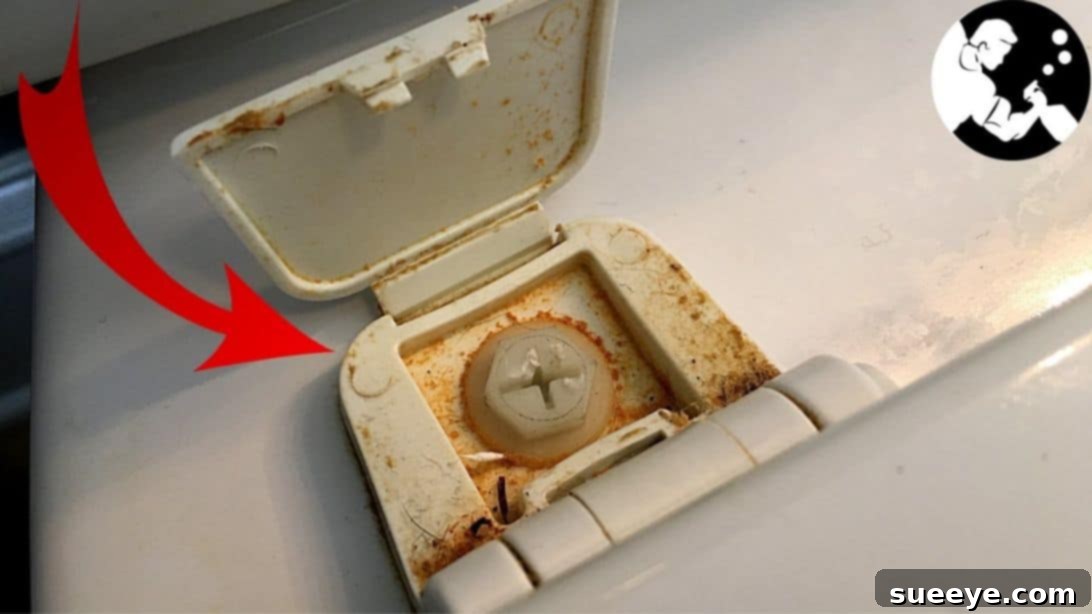
The toilet, unsurprisingly, is a primary source of bathroom odors. While the bowl itself is regularly cleaned, certain hidden areas often get neglected, leading to a buildup of urine, dust, and other grime. The space where the toilet seat attaches to the bowl is particularly notorious for accumulating urine gunk, which can fester and create a strong ammonia-like smell. Additionally, urine can seep down the outside of the bowl and underneath the base, where it remains unseen and uncleaned.
How to Fix It:
To effectively eliminate these odors, you need to clean beyond the visible surfaces. Periodically, detach the toilet seat from the bowl. Carefully soak the attachment points of the seat, along with the plastic screws, in a solution of hot soapy water, perhaps with a touch of bleach for extra sanitization. While the seat is off, thoroughly clean the exposed areas of the toilet bowl where the seat normally rests. For the base of the toilet, ensure it is properly sealed to the floor with caulk or grout. If the seal is broken, urine and other liquids can seep underneath, causing odors and potential subfloor damage. Re-caulk the base as needed to prevent any leakage, and regularly wipe down the entire exterior, including the often-forgotten area behind the toilet.
3. Inadequate or Poor Ventilation
Bathrooms are inherently warm and humid environments, which, without proper ventilation, become ideal breeding grounds for mold and mildew. These fungi thrive in damp conditions, releasing musty, earthy odors that can permeate the entire room. A lack of airflow means moisture from showers and baths lingers, perpetuating the problem and potentially leading to respiratory issues.
How to Fix It:
Proper ventilation is crucial for maintaining a fresh and healthy bathroom. If your bathroom has windows, make it a habit to open them during and after showering to allow fresh air to circulate and moist air to escape. Even more effective is installing and regularly using an exhaust fan. Run the exhaust fan for at least 15-20 minutes after every shower or bath to extract humid air. Leaving shower doors or curtains open after use also helps air circulation within the shower stall itself, allowing surfaces to dry faster and preventing mildew growth on fabrics and tiles. Ensure your exhaust fan is clean and functioning efficiently; a dust-clogged fan won’t move air effectively.
4. Dirty Grout and Caulk Lines
While tiles are generally easy to clean, the porous grout lines between them and the caulk sealing corners and fixtures are magnets for dirt, soap scum, and moisture. Over time, these areas can harbor mold, mildew, and bacteria, particularly in the shower and around the base of the toilet. This accumulation results in a damp, musty, or even moldy smell that regular surface cleaning won’t eliminate.
How to Fix It:
Deep cleaning your grout and caulk is essential. For grout, create a paste of baking soda and water, apply it to the grout lines, spray with white vinegar, and let it fizz for 10-15 minutes. Scrub with a stiff brush or an old toothbrush, then rinse thoroughly. For stubborn mold on caulk, a bleach solution (1 part bleach to 10 parts water) can be applied with a cotton ball or spray, left for a few minutes, and then rinsed. If caulk is extensively molded or damaged, it may need to be removed and reapplied to ensure a proper seal and eliminate the source of the odor.
5. Mildewed Shower Curtains or Liners
Your shower curtain or liner, constantly exposed to water and humidity, is another common hotspot for mildew growth. The folds and creases in the fabric provide perfect hiding spots for mold spores, leading to a distinct, damp, and sour smell that can quickly fill your bathroom.
How to Fix It:
Regularly clean or replace your shower curtain and liner. Fabric shower curtains can often be machine-washed with a little detergent and a cup of white vinegar, or even a half-cup of baking soda, on a gentle cycle. For plastic or vinyl liners, they can be scrubbed down with an all-purpose bathroom cleaner or a vinegar solution. Ensure they are fully extended and allowed to air dry completely after each use to prevent new mildew from forming. If the liner is heavily stained or perpetually smelly, it’s often more cost-effective and hygienic to simply replace it.
6. Dry P-Trap or Leaking Plumbing
The P-trap is the U-shaped pipe under your sinks and in your shower drains that holds a small amount of water. This water acts as a barrier, preventing noxious sewer gases from entering your home. If a bathroom fixture (like a guest bathroom sink or a seldom-used shower) isn’t used regularly, the water in the P-trap can evaporate, allowing sewer gas to escape and cause a strong, unpleasant smell. Alternatively, a slow leak in your plumbing can lead to hidden dampness and mold growth.
How to Fix It:
For a dry P-trap, simply run water down the drain for a minute or two. This will refill the trap and restore the barrier. Make it a point to run water in all seldom-used drains at least once a month. If the smell persists, or if you suspect a leak, inspect under sinks for drips or water stains. Even small, slow leaks can create persistent dampness, leading to mold and mildew. If you find a leak, tighten connections or replace worn-out parts. For significant plumbing issues or persistent sewer gas smells, it’s best to consult a professional plumber.
7. Overlooked Sink and Tub Overflow Drains
The overflow drain, typically a small opening near the top of your sink or bathtub, is designed to prevent flooding. However, because it’s rarely cleaned, it can become a repository for soap scum, hair, toothpaste residue, and other debris. This moist, dark environment is perfect for bacteria and mold to flourish, generating stale, musty odors.
How to Fix It:
Cleaning the overflow drain is simple but often forgotten. Using a funnel, pour a solution of hot water and white vinegar (or a diluted bleach solution for tougher cases) into the overflow opening. Let it sit for about 15-20 minutes to break down the grime. You can also use a small, flexible brush or a pipe cleaner to physically scrub inside the opening. Rinse thoroughly with clean water. Make this a part of your regular deep cleaning routine to prevent future buildup.
8. Waste Bins and Diaper Pails
This might seem obvious, but a frequently overlooked source of bathroom odor is the waste bin itself, especially if it’s used for items like cotton swabs, dental floss, or feminine hygiene products. In bathrooms with young children, a diaper pail can be an even more potent source of unpleasant smells.
How to Fix It:
Regularly empty your bathroom trash can, ideally daily or every other day, rather than waiting until it’s full. Use a liner in the bin to make emptying easier and to keep the bin itself cleaner. Periodically wash the inside and outside of the trash can with hot soapy water and a disinfectant spray. For diaper pails, follow the manufacturer’s cleaning instructions and consider using deodorizing discs or baking soda at the bottom to absorb odors between changes.
9. Damp Towels and Bath Mats
Leaving damp towels or bath mats crumpled on the floor or hanging in a poorly ventilated spot is an invitation for mold and mildew to develop. These items absorb a lot of moisture and, when not allowed to dry properly, can quickly emit a sour, musty smell that permeates the entire bathroom.
How to Fix It:
Ensure all towels and bath mats are hung up to air dry completely after each use. Towel racks or hooks should be placed in areas where air can circulate, or within reach of the exhaust fan. Wash towels and bath mats frequently, using hot water and detergent, and consider adding a cup of white vinegar to the wash cycle to kill bacteria and eliminate musty smells. Replace worn-out or perpetually smelly items with fresh ones. Having multiple sets allows you to rotate them through the wash regularly.
Conclusion: Reclaim Your Fresh Bathroom
A stinky bathroom is more than just an annoyance; it can be a sign of underlying hygiene or maintenance issues that need addressing. By systematically investigating these nine common culprits, you can pinpoint the source of unpleasant odors and implement targeted solutions. From routine drain maintenance and thorough toilet cleaning to ensuring proper ventilation and addressing often-forgotten areas like grout and overflow drains, a little extra attention can go a long way.
Embrace these cleaning strategies and make them a regular part of your home maintenance. A clean, fresh-smelling bathroom not only enhances your daily comfort but also contributes to a healthier living environment for everyone in your household. Say goodbye to mystery odors and hello to a consistently fresh and inviting bathroom space!
All image credit belongs to Clean With Confidence via YouTube. Follow and subscribe to his channel for more invaluable cleaning tips!