
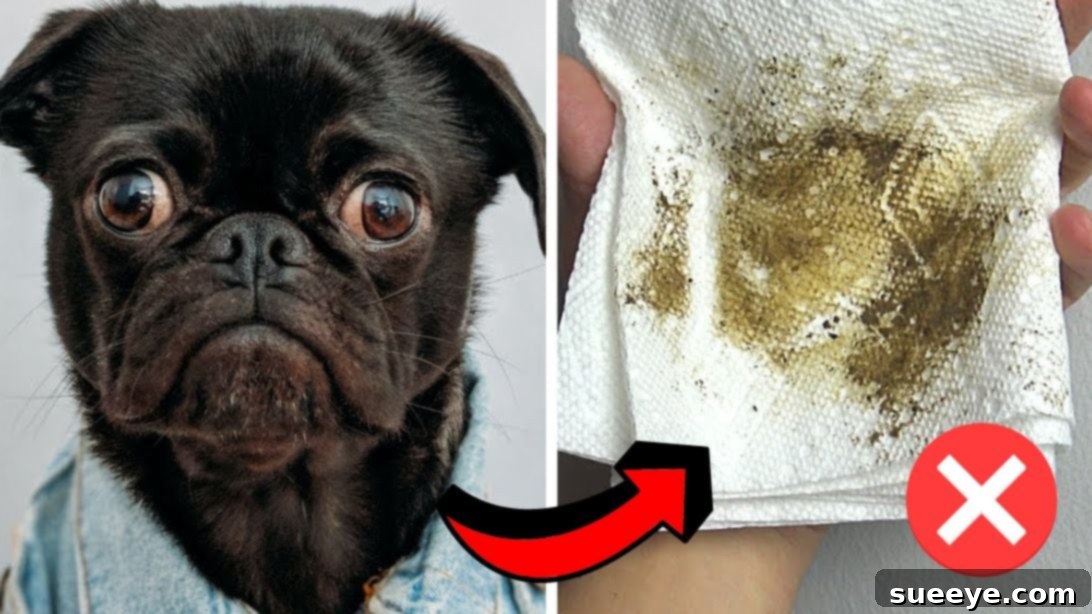
Welcoming a dog into your life is an unparalleled joy, filling your home with unconditional love, playful energy, and comforting companionship. These loyal furry friends quickly become cherished members of the family, enriching our daily lives in countless ways. However, along with all the delightful moments, pet ownership comes with a unique set of responsibilities, and one challenge many dog owners encounter is the persistent “dog smell” that can sometimes linger in their homes. This distinct odor, a natural blend of dander, oils, and occasional accidents, can make even the cleanest spaces feel less fresh, impacting both your comfort and the impression your home makes on visitors.
If you find yourself constantly battling this pervasive pet odor, feeling as though no matter what you do, the smell just won’t completely dissipate, then you’ve come to the right place. This comprehensive guide is designed to transform your approach to pet odor elimination, offering practical, easy-to-implement strategies that go beyond merely masking unpleasant smells. Drawing inspiration from expert insights, including valuable tips from channels like “Clean With Confidence” on YouTube, we’ve compiled eight proven methods to ensure your home not only looks clean but also smells wonderfully fresh. Prepare to discover simple yet effective hacks that will fundamentally change how you manage pet odors, leading to a more inviting and cleaner-smelling living environment for you, your family, and your beloved canine companion.
RELATED:
7 Hacks to Stop Dogs from Peeing Indoors
The Ultimate Guide to Eliminating Dog Smell from Your Home: 8 Proven Tips for a Fresh Space
Understanding and Tackling Pet Odors at the Source
Before diving into specific cleaning methods, it’s helpful to understand where dog odors come from. Dogs naturally produce oils in their skin and coats, which, along with dander (dead skin flakes), can accumulate on surfaces and contribute to that distinct “dog smell.” Saliva, dirt from paws, and occasional accidents also play a significant role. The key to truly eliminating these odors, rather than just masking them, lies in addressing these sources directly and maintaining consistent cleanliness. Let’s explore eight effective strategies.
#1: Wash Dog Toys, Beds, and Blankets Regularly
One of the most crucial steps in maintaining a fresh-smelling home is to regularly clean the items your dog uses most frequently. Dog beds, blankets, and plush toys are magnets for saliva, dander, hair, and dirt, all of which are primary contributors to lingering pet odors. Think about it: your dog spends hours on their bed, chewing on toys, and snuggling with blankets, all while shedding and transferring natural oils. These items quickly become saturated with the very elements that cause your home to smell.
To effectively combat this, establish a consistent washing schedule. For soft toys, a regular wash with warm, soapy water – or even a run through the washing machine on a gentle cycle – can make a huge difference. For beds and blankets, aim for a minimum of once a month, though more frequent washing (every 1-2 weeks) is ideal for heavily used items or homes with multiple pets. When washing these textiles, consider adding a cup of white vinegar to the washing machine during the rinse cycle. Vinegar is a natural deodorizer that helps neutralize odors without leaving a chemical residue or scent, making it safe for your pet’s belongings. Always use a pet-safe detergent, and ensure everything is thoroughly dry before returning it to your dog to prevent mildew and further odors.
#2: Ensure Mops and Cleaning Tools Are Spotless
It might seem counterintuitive, but your cleaning tools themselves can become sources of odor if not properly maintained. Mops, especially, are notorious for trapping dirt, pet hair, and bacteria from the floors they clean. If you use a mop to clean up pet messes or simply to maintain your floors, and then leave a dirty mop head to air dry, you’re essentially allowing a breeding ground for odor-causing bacteria. This will only transfer the smell back to your floors the next time you use it.
After every use, especially if you have multiple dogs or are cleaning up specific pet messes, make it a habit to thoroughly clean your mop head. For removable mop pads, simply detach them and toss them into the washing machine with your regular laundry. For traditional string or sponge mops, rinse them thoroughly until the water runs clear, then soak them in a solution of hot water and a capful of bleach or a pet-safe disinfectant. Wring them out completely and allow them to dry fully in a well-ventilated area, preferably outdoors if possible, to prevent mildew. Keeping several spare mop pads or heads on hand allows for constant rotation and ensures you always have a fresh tool for a truly clean outcome.
#3: Clean Up Dog Accidents Immediately and Effectively
This tip is paramount: immediate and proper cleanup of pet accidents is critical for preventing lingering odors. Urine and feces not only smell bad initially but can also leave behind odor-causing bacteria and stains that are incredibly difficult to remove once they set. The longer an accident sits, the deeper the mess penetrates carpets, rugs, and even hard flooring, making complete odor elimination much harder.
For urine accidents, especially on carpets, act fast. Start by blotting up as much liquid as possible using clean towels or paper towels. Apply pressure to absorb deeply. Avoid rubbing, as this can push the urine deeper into the fibers. Once the excess liquid is removed, rinse the area with clean water, then vacuum up as much of that water as possible using a wet/dry vacuum. Next, apply a generous amount of white vinegar to the affected area; vinegar helps to neutralize the ammonia in urine. Let it sit for about 5-10 minutes. For deeper cleaning and enzymatic breakdown of odor-causing compounds, follow up with a specialized enzymatic pet odor remover or carpet shampoo. These products are crucial because they break down the uric acid crystals in pet urine, which are the main culprits behind persistent odors, even after the visible stain is gone. Vacuum again, and then rinse thoroughly with water. Allow the area to dry completely, which can take 24-48 hours. Using a fan or opening windows can speed up the drying process and prevent mold. For hard surfaces, wipe immediately with an appropriate cleaner and disinfectant.
#4: Utilize Pleasant Fragrances and Odor Absorbers Strategically
While the primary goal is to eliminate odors at their source, strategically incorporating pleasant scents and odor absorbers can complement your cleaning efforts and maintain a continuously fresh environment. There’s a difference between masking an odor and complementing a clean space with a subtle fragrance.
Consider using cotton balls infused with a few drops of your favorite pet-safe essential oil (ensure they are non-toxic to pets and used in well-ventilated areas, or placed out of reach) and placing them in discreet locations, such as inside trash cans, under furniture, or even inside ventilation ducts. Dryer sheets, with their fresh scent, can be tucked underneath couch cushions, inside pet crates, or even at the bottom of hampers to add a subtle freshness. For a more sustained approach, plug-in air fresheners can work effectively in larger rooms, but again, ensure they are not overpowering and are placed where pets cannot access them. Natural alternatives are also excellent: a simple spray made from diluted white vinegar and orange peels can be refreshing and an inexpensive way to deodorize kennels or pet areas. Additionally, activated charcoal bags, while odorless, are highly effective natural odor absorbers that can be placed around the house to continuously pull unpleasant smells from the air.
#5: Harness the Power of Baking Soda
Baking soda (sodium bicarbonate) is a household hero when it comes to neutralizing odors, and it’s particularly effective for pet smells because it naturally absorbs and neutralizes acidic and alkaline odors rather than just covering them up. It’s safe, inexpensive, and readily available, making it an essential tool in your pet odor elimination arsenal.
For carpets, rugs, and even upholstered furniture, baking soda can work wonders. Once a month, or even every two months for less severe odors, generously sprinkle baking soda over these surfaces. Don’t be shy – aim for an even, visible layer. Allow the baking soda to sit and work its magic for at least 8 hours, or ideally overnight. This extended contact time allows the baking soda to thoroughly absorb embedded odors. After the dwell time, simply vacuum it up thoroughly. You’ll often be amazed at the difference in freshness. You can also sprinkle baking soda directly onto dog beds before washing them for an extra odor-busting boost, or put a small open container of baking soda in areas prone to pet smells, like near litter boxes or in kennels, to continuously absorb airborne odors.
#6: Promote Excellent Air Circulation with Open Windows
This tip is perhaps the simplest, yet one of the most effective, especially for day-to-day odor management: open your windows. Stale, stagnant air traps odors, making them more concentrated and noticeable. Good air circulation is absolutely vital for refreshing your home and preventing pet smells from settling in.
By opening windows, even for just 15-30 minutes a day, you allow fresh outdoor air to circulate throughout your home, pushing out old, odor-laden air and bringing in new, clean air. This process of cross-ventilation, where you open windows on opposite sides of the house, is incredibly efficient. It helps to reduce humidity levels, which can contribute to musty smells, and actively carries away airborne odor particles. On pleasant days, leave windows open for longer periods. Combine this with ceiling fans or portable fans to further enhance air movement. A well-ventilated home naturally smells fresher and feels more inviting, minimizing the environment where pet odors can thrive.
#7: Vacuum Regularly and Thoroughly
Regular vacuuming is a non-negotiable step for any pet owner looking to maintain a fresh-smelling home. Dogs shed hair and dander constantly, and these microscopic particles carry oils and bacteria that contribute significantly to pet odors. When hair and dander accumulate on floors, carpets, and upholstery, they create a reservoir of smell that permeates the entire room.
Go beyond just your floors. While vacuuming carpets and hard floors multiple times a week is essential, don’t forget to vacuum your furniture, including couches, chairs, and even drapes. Use appropriate attachments to reach into crevices where pet hair loves to hide. Pay special attention to areas where your dog spends a lot of time, like their favorite sleeping spots on the sofa. Investing in a quality vacuum cleaner with strong suction, a HEPA filter (to trap fine particles and allergens), and attachments designed for pet hair can make this task much more effective. Regular vacuuming not only removes the odor-causing hair and dander but also picks up dirt, dust, and other debris that can contribute to a stale home environment.
#8: Prioritize Your Dog’s Grooming Routine
Sometimes, the source of the pet odor isn’t just your house – it’s your dog itself! A well-groomed dog is a cleaner, better-smelling dog, which directly translates to a better-smelling home. Regular grooming significantly lessens the amount of shedding, dander, and dirt your dog brings into your living space, reducing the effort you need to spend on cleaning your home.
Establish a consistent grooming regimen. This includes regular bathing, but “regular” varies by breed and activity level; too frequent bathing can strip natural oils, while too infrequent allows odors to build. Use a high-quality, pet-specific shampoo and conditioner. Beyond bathing, daily brushing is crucial. Brushing removes loose hair and dander before it can settle on your furniture and floors, and it helps distribute your dog’s natural oils, keeping their coat healthy and reducing “doggy” smell. Don’t forget dental hygiene; bad breath can contribute significantly to overall pet odor in your home. Regular teeth brushing or dental chews can help. Finally, keep their ears clean (especially floppy-eared breeds prone to infections) and nails clipped. A healthy, well-maintained dog naturally smells better, making your home a more pleasant place for everyone.
Implementing a Holistic Approach to a Fresh Home
Eliminating dog smell from your house isn’t about finding one magical solution; it’s about adopting a consistent, multi-faceted approach. By integrating these eight strategies into your regular cleaning and pet care routine, you can significantly reduce, and even eliminate, persistent pet odors. From proactive cleaning of dog items and immediate attention to accidents, to regular grooming and strategic use of odor absorbers, each tip plays a vital role in maintaining a fresh and inviting home. Remember, a clean-smelling home is a reflection of a well-cared-for pet and a mindful owner. With a little effort and consistency, you can enjoy all the wonderful benefits of dog ownership without the accompanying odors. Your furry friend will appreciate a cleaner environment too!
*All images are credited to
Clean With Confidence via YouTube. Visit their channel and subscribe for more insightful cleaning tips!