
Regrow Supermarket Lettuce: Your Ultimate Guide to Sustainable Indoor Gardening
Imagine having a never-ending supply of fresh, crisp lettuce right in your kitchen, harvested exactly when you need it. This isn’t a gardener’s dream; it’s an achievable reality thanks to the simple, yet revolutionary, technique of regrowing lettuce from its base. This method not only provides you with a continuous harvest but also significantly reduces food waste and embraces the principles of sustainable living. Among the many inspiring demonstrations available, a standout example by Tikki O on YouTube showcases just how easy and delightful this process can be, turning a simple romaine stalk into a thriving, self-replenishing hydroponic ecosystem.
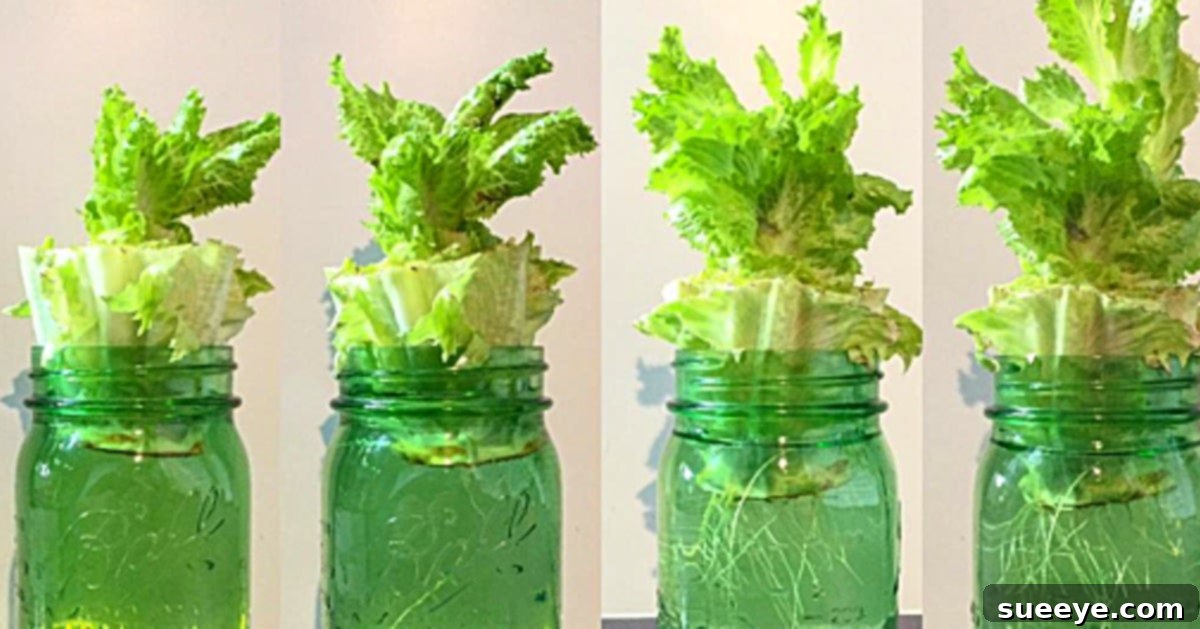
By simply utilizing the often-discarded end of a store-bought lettuce, you can cultivate tender new leaves in as little as two weeks. This guide will walk you through everything you need to know to transform your kitchen into a miniature sustainable farm, ensuring you always have fresh greens at your fingertips without constant trips to the grocery store. It’s an incredibly satisfying project that offers both practical benefits and a touch of green magic to your home.
Why Regrow Your Lettuce? The Benefits Unveiled
Beyond the sheer novelty of watching a plant spring back to life, regrowing lettuce offers a multitude of compelling advantages that align with modern desires for sustainability, health, and frugality.
1. Reduce Food Waste and Promote Sustainability
One of the most significant benefits is its direct impact on food waste. Every year, countless tons of edible food go to waste, including the bases of vegetables that could easily be regrown. By giving your lettuce core a second chance, you contribute to a circular economy, minimizing your carbon footprint and fostering a more sustainable lifestyle. It’s a small step that collectively makes a big difference.
2. Save Money on Groceries
While a head of lettuce might not break the bank, imagine the cumulative savings over months or even years when you consistently regrow your own. This method effectively stretches your grocery budget further, providing you with free, fresh produce from what would otherwise be discarded.
3. Enjoy Fresher, Healthier Greens
Lettuce begins to lose nutrients and crispness the moment it’s harvested. Homegrown lettuce, picked minutes before it hits your plate, guarantees maximum freshness, flavor, and nutritional value. You also have complete control over its environment, ensuring it’s free from unwanted pesticides or chemicals.
4. A Fun and Educational Activity
Regrowing lettuce is a fantastic hands-on project for all ages. Children, in particular, can gain a valuable understanding of plant life cycles and the origins of their food. It’s a simple science experiment that yields delicious results, fostering curiosity and a connection to nature.
5. Easy Indoor Gardening, No Green Thumb Required
You don’t need a sprawling garden or even a backyard to participate in this form of urban agriculture. A sunny windowsill is often all that’s required. It’s an accessible entry point into gardening for beginners, building confidence without demanding extensive knowledge or specialized tools.
Materials You’ll Need: Simple & Accessible
The beauty of regrowing lettuce lies in its simplicity and the minimal resources required. Most of what you need can likely be found in your kitchen already.
- A Store-Bought Lettuce Head: Romaine lettuce is particularly ideal due to its robust core, but butter lettuce and even some spring mix varieties with an intact base can also work.
- A Container: A recycled glass jar (like a jam or coffee jar), a sturdy plastic container, or a small bowl will suffice. The key is for it to hold water and provide some stability for the lettuce base.
- Water: Regular tap water works perfectly.
- Sunlight: A bright, sunny windowsill is crucial. If natural light is limited, a simple grow light can be a viable alternative.
- Optional: Support Mechanism: For taller lettuce bases, toothpicks can be inserted into the sides to suspend the core, preventing it from being fully submerged. Alternatively, as demonstrated in many DIY approaches, a plastic cup with holes drilled in the bottom can act as a clever “basket well” to hold the lettuce while allowing roots to reach the water.
- Optional: Scissors or a Sharp Knife: For preparing your lettuce base.
Step-by-Step Guide: How to Regrow Your Lettuce
The process is remarkably straightforward. Follow these steps, and you’ll be on your way to a continuous supply of fresh, homegrown lettuce.
Step 1: Prepare Your Lettuce Base
After enjoying your store-bought lettuce, don’t discard the core! Using a sharp knife or scissors, cut the bottom 1 to 2 inches (about 2.5 to 5 cm) off the base of the lettuce head. Ensure that the core is intact and looks healthy, free from mushy spots or significant discoloration. This base is where all the magic will happen, so treat it gently.
Step 2: Set Up Your Hydroponic System
Place your prepared lettuce base into your chosen container. Add just enough water to cover the very bottom half-inch to one inch (1-2.5 cm) of the base. The goal is to keep the cut surface moist, but not to submerge the entire core, which can lead to rot. If your container is too wide, or your lettuce base is unstable, consider using toothpicks inserted into the sides of the base to suspend it just above the water level, ensuring only the very bottom touches the water.
For a DIY basket well like the one Tikki O demonstrates, take a recycled plastic cup, poke several holes in its bottom, and place the lettuce base inside. Then, place this cup into a larger jar or container filled with water, allowing the water to seep through the holes and reach the base of the lettuce.
Step 3: Find the Perfect Spot
Position your container in a location that receives ample sunlight. A south-facing windowsill is often ideal, providing several hours of direct sunlight each day. If you don’t have a very sunny spot, consider supplementing with a simple LED grow light to ensure your lettuce gets the energy it needs to thrive.
Step 4: Nurture and Observe
This is where patience and observation come into play. You should begin to see new growth within a few days to a week. Small roots will start to emerge from the bottom of the base, and tiny green leaves will sprout from the top center.
- Change the Water Regularly: To prevent bacterial growth and provide fresh oxygen to the developing roots, change the water every 1-2 days. If the water becomes cloudy or slimy, change it immediately.
- Monitor Growth: Keep an eye on your lettuce. It will grow surprisingly fast! In about two weeks, you’ll have tender, edible leaves ready for harvest.
Step 5: Harvest Your Fresh Lettuce
Once the new leaves are a few inches tall, you can begin harvesting. The best practice is to snip off the outer leaves, allowing the inner leaves to continue growing. This method encourages the plant to produce continuously, providing you with a steady supply. For a larger harvest, you can let the plant grow for longer, though indoor-grown lettuce may not reach the full size of its outdoor counterparts.
Advanced Tips and Troubleshooting for Success
While regrowing lettuce is easy, a few tips can enhance your success, and knowing how to troubleshoot common issues will keep your leafy greens thriving.
When to Transfer to Soil
If you desire a larger, more robust lettuce plant, once your lettuce base has developed a good network of roots (typically after 1-2 weeks in water), you can transfer it to a pot filled with well-draining potting mix or directly into your garden. Plant the base so that the top of the core is just visible above the soil line, and water it thoroughly. This transition allows the plant access to more nutrients and space, potentially leading to a bigger harvest.
Consider Nutrient Solutions (Optional)
For extended growth in water, especially if you’re not transferring to soil, a very diluted hydroponic nutrient solution can be added to the water. This provides essential minerals that plain water lacks. However, for initial regrowth and small harvests, it’s often not necessary and can complicate the process for beginners.
What if it’s Not Growing or Starts to Rot?
- Insufficient Light: If your lettuce is leggy (tall and stretched) or not growing robustly, it likely needs more light. Move it to a sunnier spot or use a grow light.
- Too Much Water: Submerging the entire core can lead to rot. Ensure only the very bottom is in contact with water.
- Stagnant Water: Failing to change the water regularly can lead to bacterial growth, which appears as cloudiness or a slimy residue, and can cause the base to rot. Frequent water changes are crucial.
- Unhealthy Base: If the original lettuce core was already deteriorating or damaged, it might not regrow. Start with a fresh, firm base.
- Bolting: If your lettuce starts growing tall very quickly and forms a central stalk with small flowers, it’s “bolting.” This happens when temperatures are too warm or daylight hours are too long, signaling the plant to produce seeds. Bolted lettuce often becomes bitter. Harvest quickly before it becomes inedible.
Beyond Lettuce: Other Vegetables You Can Regrow
The concept of regrowing scraps isn’t limited to lettuce! Many other common kitchen staples can be given a second life, further expanding your sustainable kitchen garden:
- Celery: Cut off the base and place it in water like lettuce. New stalks will emerge from the center.
- Green Onions/Scallions: Place the white ends with roots in a glass of water. They will regrow incredibly fast, often yielding several harvests.
- Bok Choy: Similar to lettuce, place the base in water for new growth.
- Leeks: The white end can be regrown in water.
- Ginger: Plant a piece of ginger with an “eye” (a small bud) in soil, and it will sprout new ginger.
- Potatoes and Sweet Potatoes: If they start to sprout “eyes,” you can plant them in soil to grow new potatoes.
- Carrots (Greens Only): While you won’t get a new carrot root, placing the top 1 inch of a carrot in water will grow lovely greens, which are edible and great for salads or garnishes.
Embrace Your Inner Gardener
Starting your own recycled lettuce garden is a rewarding experience that embodies sustainability, economy, and the simple joy of growing your own food. It’s a testament to nature’s resilience and a reminder that even the smallest scraps can hold the potential for abundant life. So, next time you’re about to discard that lettuce core, remember the endless possibilities it holds. Give it a home, a little water, and sunlight, and watch as it transforms into a fresh, vibrant addition to your table. Happy gardening!