
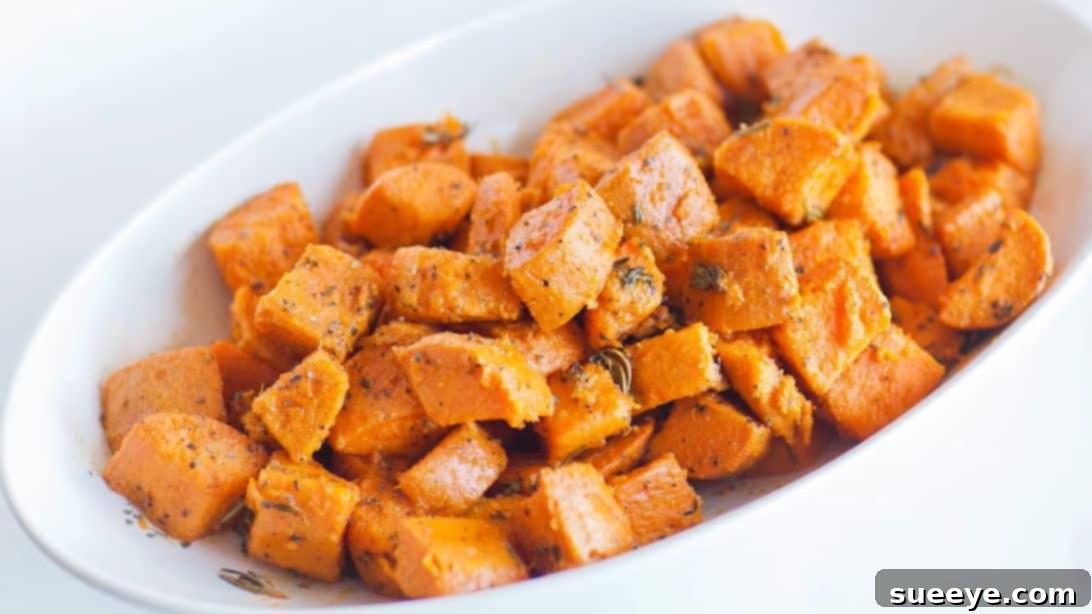
Easy Oven-Roasted Sweet Potatoes: Two Delicious Methods for Perfect Sides and Snacks
Are you searching for a versatile, healthy, and incredibly flavorful dish that’s simple to prepare? Look no further than oven-roasted sweet potatoes! This comprehensive guide will show you how to create truly irresistible sweet potatoes, perfectly tender on the inside with delightful caramelized edges, using two distinct methods. Whether you prefer a quick roast or a method that guarantees an extra-soft interior, we’ve got you covered. Inspired by the fantastic recipe from Tatyana’s Everyday Food, we’ve refined and expanded upon these techniques to ensure your roasted sweet potatoes are nothing short of spectacular. The secret lies in a harmonious blend of fresh herbs and aromatic spices, transforming this humble root vegetable into a dish that’s surprisingly addictive and perfect for any occasion – from a simple healthy snack to an elegant side dish. Get ready to elevate your cooking with this easy-to-follow, comprehensive recipe for the best oven-roasted sweet potatoes you’ve ever tasted.
Why Sweet Potatoes Are a Superb Choice: Health Benefits and Versatility
Sweet potatoes are more than just a delicious addition to your meal; they’re a nutritional powerhouse that deserves a spotlight in your diet. Packed with essential vitamins, minerals, and dietary fiber, they offer a host of health benefits. They are an excellent source of beta-carotene, which the body converts into Vitamin A, crucial for vision, immune function, and skin health. Furthermore, sweet potatoes provide a significant amount of Vitamin C, manganese, and potassium, contributing to overall wellness. Their natural sweetness makes them a favorite for both adults and children, while their complex carbohydrates provide sustained energy without the rapid blood sugar spikes associated with simple sugars. Roasting sweet potatoes, as opposed to simply boiling or steaming, brings out and intensifies their natural sugars, leading to a delightful caramelization that creates a depth of flavor unmatched by other cooking methods. They are naturally gluten-free and can easily be made vegan, making them a fantastic option for various dietary needs and preferences. Adding fresh herbs and aromatic spices not only enhances their inherent deliciousness but also contributes to a sophisticated aromatic profile, turning a simple vegetable into a culinary delight that complements nearly any main course.
Essential Ingredients for Perfect Roasted Sweet Potatoes
Crafting the perfect oven-roasted sweet potatoes begins with selecting quality ingredients. While the core components are minimal, each plays a crucial role in developing the rich flavor and desirable texture of this dish. Here’s what you’ll need to gather, along with some helpful tips:
- Sweet Potatoes: Aim for 2-3 medium sweet potatoes, which typically yields a good serving for 2-4 people as a side. Choose firm, unblemished sweet potatoes of similar size to ensure uniform cooking. Varieties like Beauregard or Jewel are commonly available and roast beautifully.
- Salt: A generous pinch of sea salt or kosher salt is essential. Salt not only seasons the potatoes but also helps to draw out moisture and enhance their natural sweetness and savory notes, creating a balanced flavor profile.
- Fresh Ground Black Pepper: For the best flavor, always opt for freshly ground black pepper. Its pungent, aromatic kick adds a noticeable depth that pre-ground pepper often lacks, contributing to the overall complexity of the seasoning blend.
- Fresh Thyme: The delicate, earthy, and slightly floral aroma of fresh thyme is a perfect complement to the sweetness of the potatoes. You’ll typically want a few sprigs; remember to destem the leaves before mixing.
- Fresh Rosemary: With its distinct piney, slightly citrusy, and robust notes, fresh rosemary adds a sophisticated aromatic quality. A sprig or two, finely chopped, works wonderfully. Be sure to chop it finely, as larger pieces can be too potent.
- Dried Basil: While fresh herbs bring vibrant flavor, dried basil offers a sweet, peppery, and slightly minty flavor that perfectly rounds out the herb blend. About a teaspoon is usually sufficient to impart its characteristic Mediterranean warmth.
- Garlic Powder: A staple in many savory dishes, garlic powder provides a subtle, allium flavor without the moisture or intensity of fresh garlic. It ensures a consistent garlic taste evenly distributed across the potatoes.
- Smoked Paprika: This is a game-changer for roasted sweet potatoes! Smoked paprika imparts a beautiful, reddish-orange color and a rich, smoky depth that elevates the entire dish from simple to spectacular. Don’t skip it if you can help it, as it adds a unique layer of flavor.
- Unsalted Butter: (Approximately 1 tablespoon per medium potato). Melted unsalted butter contributes significantly to the caramelization process, yielding a rich, golden-brown crust, and provides a luscious, creamy flavor. For a dairy-free or vegan option, a high-quality vegan butter alternative works just as well.
- Avocado Oil or Olive Oil: (Approximately 1 tablespoon per medium potato). These oils are crucial for achieving crispy edges and preventing the potatoes from sticking to the baking sheet. Both avocado oil and olive oil have relatively high smoke points, making them ideal for roasting. Avocado oil has a neutral flavor, allowing the sweet potato and herb flavors to shine, while extra virgin olive oil adds a distinct Mediterranean fruitiness that can be a welcome addition.
These carefully selected ingredients, when combined and roasted, create a symphony of flavors and textures that will make your roasted sweet potatoes truly unforgettable, turning a simple side into a dish everyone raves about.
Method 1: For Extra Tender and Caramelized Sweet Potatoes (The Pre-Boiled Approach)
This method is ideal if you desire sweet potatoes that are incredibly tender and almost melt-in-your-mouth on the inside, while still achieving beautiful caramelization and a hint of crispness on the outside. Pre-boiling the potatoes significantly reduces the overall oven roasting time and helps ensure a consistently soft texture throughout each piece. It’s a fantastic approach for those who appreciate a luxurious, creamy interior with a delicate crust.
Step 1: Prepare and Pre-Cook the Sweet Potatoes to Tender Perfection
Begin by preheating your oven to 350°F (175°C). While the oven heats, wash your sweet potatoes thoroughly under cold running water to remove any dirt. You have the option to peel them if you prefer a smoother texture, but leaving the skin on adds extra fiber, nutrients, and a rustic appeal. Once clean, cut the sweet potatoes into uniform 1-inch (2.5 cm) cubes or wedges. Consistency in size is paramount here, as it ensures all pieces cook evenly in both the boiling and roasting stages. Next, fill a large pot with enough water to generously cover all the sweet potato pieces. Bring the water to a rolling boil over high heat, then carefully add the prepared sweet potatoes. Reduce the heat to a gentle simmer and cook for approximately 8 to 10 minutes. The objective here is to partially cook them until they are just tender when pierced with a fork, but critically, they must still be firm enough to hold their shape without crumbling. Avoid overcooking at this stage, as they will continue to soften in the oven and could become mushy if pre-boiled for too long. Once they reach the desired tenderness, immediately drain the water using a sturdy colander. Allow the potatoes to sit in the colander for a minute or two to let any excess steam escape; this crucial step helps prevent sogginess and promotes better browning later.
Step 2: Season and Coat for Optimal Flavor Infusion
Return the drained, partially cooked sweet potatoes to the same large pot – this minimizes cleanup! Add the melted unsalted butter, your choice of avocado or olive oil, and all the dry seasonings: the finely chopped fresh thyme, finely chopped fresh rosemary, dried basil, garlic powder, smoked paprika, a pinch of salt, and freshly ground black pepper. Now comes the crucial step of incorporating all these delicious elements: gently toss everything together. Use a large spoon or even your hands (wearing food-safe gloves is recommended, especially with smoked paprika which can stain) to ensure that every single piece of sweet potato is thoroughly coated with the flavorful mixture of fats, herbs, and spices. The slightly pre-cooked and warm potatoes will readily absorb and adhere to the melted butter and oil, creating a perfect base for the flavors to meld beautifully and for the surface to crisp up wonderfully during the subsequent roasting. Take your time with this step, as even and comprehensive seasoning is paramount for a consistent and flavorful outcome in every bite.
Step 3: Roast to Golden Perfection and Prepare for Serving
Carefully transfer the seasoned sweet potatoes onto a large baking sheet. It’s imperative to arrange them in a single layer, ensuring there’s ample space between each individual piece. Overcrowding the baking sheet is a common mistake that will lead to steamed, rather than roasted, potatoes, resulting in a soft, soggy texture instead of those coveted golden-brown, crispy edges. If necessary, divide the potatoes and use two baking sheets to avoid overcrowding. Bake in your preheated 350°F (175°C) oven for approximately 15 to 18 minutes. During this roasting period, the potatoes will continue to soften and their exterior will begin to caramelize beautifully, developing a rich color and deeper flavor. You’ll know they’re perfectly done when they are undeniably fork-tender throughout and have achieved a lovely golden-brown hue on their surfaces. For an extra boost of vibrant color and irresistible crispiness, you can broil them for an additional 2-3 minutes on high heat. However, exercise extreme vigilance during broiling, as sweet potatoes can go from perfectly golden to unfortunately burnt in a flash! Once done, immediately remove from the oven, transfer to a beautiful serving bowl, and enjoy them hot as a delightful side dish, a satisfying snack, or even as a flavorful component of a larger meal.
Method 2: For Simplicity and Perfectly Crispy Edges (The Direct Roast Approach)
If you’re looking for a simpler, more hands-off approach that still delivers incredibly delicious results with a slightly firmer texture and fantastic crispy edges, the direct roast method is perfect for you. This technique skips the pre-boiling step entirely, letting the oven do all the work from raw sweet potato to roasted perfection in one go. It’s an excellent choice when you’re short on time but unwilling to compromise on flavor and that satisfying textural contrast. This method often results in a more rustic, slightly chewier texture with pronounced crispy bits.
Step 1: Season Raw Sweet Potatoes for Direct Roasting
Start by washing your sweet potatoes thoroughly and cutting them into uniform 1-inch (2.5 cm) cubes or wedges. As emphasized before, consistency in size is absolutely crucial for even cooking when roasting from raw. Lay the raw, prepared sweet potato pieces directly onto a large baking sheet. Drizzle them generously with melted unsalted butter and either avocado or olive oil. The fat is key here for both flavor and achieving a crispy exterior. Then, sprinkle over all your chosen seasonings: the finely chopped fresh thyme, finely chopped fresh rosemary, dried basil, garlic powder, smoked paprika, a good pinch of salt, and freshly ground black pepper. Using your hands or a large sturdy spoon, toss everything together vigorously and thoroughly until every single piece of sweet potato is evenly coated. Ensure there are no dry spots, as a comprehensive coating ensures maximum flavor in every bite and helps promote beautiful, consistent browning during the roasting process. Finally, distribute the seasoned potatoes in a single layer across the baking sheet, making sure they are not touching each other. This critical spacing allows for proper hot air circulation, which is essential for crisping rather than steaming the potatoes.
Step 2: Roast Covered, Then Uncovered, to Develop Texture and Flavor
Once your sweet potatoes are seasoned and spread out in a single layer, cover the baking pan tightly with aluminum foil. This initial covering creates a steaming effect within the pan, allowing the sweet potatoes to soften beautifully in their own moisture and the added fats without drying out. Set your oven to a higher temperature of 425°F (220°C) and roast the covered sweet potatoes for approximately 20 minutes. After this initial covered cooking period, carefully remove the aluminum foil. The potatoes should be somewhat tender at this point, but still have some structure. Return the uncovered pan to the oven and continue baking for another 10 to 15 minutes, or until the sweet potatoes are fully tender, deeply caramelized to a rich golden-brown, and have developed those irresistible crispy edges that everyone loves. If you desire even more color and an extra-crispy exterior, you can briefly broil them under high temperature for a few minutes. As always, watch them extremely carefully during broiling, as the sugars can burn very quickly. Serve these directly roasted sweet potatoes hot and enjoy their robust flavor, satisfying texture, and fantastic crispy bits.
Pro Tips for the Best Roasted Sweet Potatoes Every Time
Achieving perfectly roasted sweet potatoes consistently involves a few key techniques. These expert tips will help ensure your dish is always a success, regardless of which of the two delicious methods you choose:
- Uniform Cutting is Non-Negotiable: This is arguably the most important tip for any roasted vegetable. Sweet potatoes cut into uniform sizes will cook evenly, preventing some pieces from being undercooked or hard while others are overcooked or burnt. Aim for consistent 1-inch cubes or wedges.
- Never Overcrowd the Pan: Give your sweet potatoes ample space to breathe! If the baking sheet is too crowded, the moisture released from the potatoes will create steam, resulting in a soft, soggy texture rather than a desirable crispy exterior. Use multiple baking sheets if necessary to ensure a single layer with space between pieces.
- High Heat is Your Friend: Roasting at a sufficiently high temperature (like 425°F or 220°C in Method 2) is crucial. High heat helps to caramelize the natural sugars in the sweet potatoes and achieve that deeply flavorful, desirable crispiness. Even with Method 1’s slightly lower temperature, adequate heat is needed for proper browning.
- Don’t Skimp on the Fat: Butter and oil are essential for flavor, promoting beautiful browning, and preventing the potatoes from sticking to the pan. They also aid in heat transfer. Don’t be shy with the suggested amounts; they help create that irresistible golden-brown crust and rich mouthfeel.
- Flip or Toss Halfway: While not explicitly stated in every step, giving the potatoes a good toss or flip halfway through the roasting process (especially during the uncovered phase) ensures even browning and crisping on all sides, leading to a more consistently delicious result.
- Fresh Herbs Make a Significant Difference: While dried herbs can be used in a pinch, fresh thyme and rosemary offer a superior aromatic quality and a more vibrant flavor that truly elevates the dish, making it taste gourmet.
- Experiment with Spices: Don’t be afraid to adjust the spice blend to your personal taste. A pinch of cayenne pepper for a subtle heat, a dash of ground cumin for earthiness, or even a touch of brown sugar or maple syrup for extra sweetness can create exciting and personalized flavor variations.
- Taste and Adjust Seasoning: Always taste a piece before serving and adjust salt and pepper if needed. Sometimes, a final sprinkle of flaky sea salt just before serving can make all the difference, enhancing all the other flavors.
Serving Suggestions and Flavor Variations
Roasted sweet potatoes are incredibly versatile and can be enjoyed in countless ways, making them a staple for any home cook. Here are some ideas to inspire you for serving and creative flavor twists:
Versatile Serving Ideas:
- Classic Side Dish: These roasted sweet potatoes make a fantastic and wholesome side for almost any main course, complementing dishes from roasted chicken or turkey to grilled salmon, baked fish, or even a hearty steak.
- Healthy & Satisfying Snack: Enjoy them warm straight from the oven as a nutritious and surprisingly satisfying snack that curbs cravings.
- Vibrant Salad Topping: Add them cold or warm to your favorite green salads, grain salads, or kale salads for extra substance, natural sweetness, and a delightful textural contrast.
- Build a Delicious Bowl Meal: Incorporate them into trendy grain bowls or power bowls alongside quinoa, black beans, sliced avocado, roasted vegetables, and a vibrant dressing for a complete and balanced meal.
- Creative Breakfast Hash: Use any delicious leftovers to create a savory breakfast hash with fried eggs, sautéed onions, and perhaps some chopped bell peppers for a hearty morning meal.
- Unique Burger Topping: Slightly smash a few roasted sweet potato pieces and use them as a unique and flavorful topping for veggie burgers, turkey burgers, or even classic beef burgers, adding a touch of sweetness and texture.
Exciting Flavor Variations:
While the provided herb and spice blend is universally excellent, don’t hesitate to get creative and customize your roasted sweet potatoes with other seasonings:
- Sweet & Spicy: For a tantalizing kick, add a pinch of chili powder or a dash of cayenne pepper to the seasoning blend. Drizzle with a touch of maple syrup or honey before roasting for a delightful sweet-heat combination.
- Mediterranean Twist: Infuse your potatoes with a Mediterranean flair by incorporating dried oregano, a squeeze of fresh lemon juice, and a generous sprinkle of crumbled feta cheese or goat cheese after roasting.
- Mexican Inspired: Transform them with a Mexican-inspired seasoning blend using ground cumin, more chili powder, a dash of lime juice, and serve with fresh chopped cilantro and a dollop of sour cream or Greek yogurt.
- Herbs de Provence: Swap the individual herbs for a classic French blend like Herbs de Provence, which typically includes savory, marjoram, rosemary, thyme, and oregano, for an aromatic and sophisticated profile.
- Garlic Parmesan: For a cheesy twist, toss with extra garlic powder, then sprinkle generously with freshly grated Parmesan cheese during the last few minutes of roasting until the cheese is bubbly and golden.
- Cinnamon & Nutmeg (Dessert-like): For a sweeter, dessert-like side that pairs wonderfully with holiday meals, season with ground cinnamon, a hint of nutmeg, a touch of brown sugar, and an extra pat of butter.
Storage and Reheating for Convenience
Leftover roasted sweet potatoes are a treat and can be easily stored and reheated, making them perfect for meal prep or quick future meals:
- Proper Storage: To maintain freshness and quality, allow your roasted sweet potatoes to cool completely to room temperature before storing. Once cooled, transfer them to an airtight container. They will keep well in the refrigerator for up to 3-4 days.
- Optimal Reheating: For the best results and to revive some of their original crispiness, reheat roasted sweet potatoes in the oven or an air fryer. Spread them in a single layer on a baking sheet and bake at 350°F (175°C) for 10-15 minutes, or until they are thoroughly heated through and have become slightly re-crisped on the outside. Avoid reheating in the microwave if you want to retain any of that satisfying crispiness, as microwaving tends to make them soft and sometimes rubbery.
Frequently Asked Questions About Oven-Roasted Sweet Potatoes
Here are some common questions you might have when preparing these delicious oven-roasted sweet potatoes, along with helpful answers to ensure your success:
- Can I use frozen sweet potatoes for this recipe? Yes, you can. However, fresh sweet potatoes will generally yield a superior texture and flavor. If you opt for frozen, spread them in a single layer on the baking sheet (do not thaw first, as this can make them mushy) and expect to increase the roasting time. They may be slightly softer than those made from fresh sweet potatoes.
- Do I need to peel sweet potatoes before roasting them? No, peeling is entirely optional! The skin of sweet potatoes is not only edible but also nutritious, adding extra fiber and a wonderful rustic texture to the finished dish. Just make sure to wash them thoroughly if you choose to leave the skin on.
- What if my sweet potatoes aren’t getting crispy? This is a common issue often caused by a few factors: if the pan is overcrowded (leading to steaming), if the oven temperature isn’t high enough (preventing caramelization), or if there isn’t enough oil or fat coating the potatoes. Ensure your potatoes are spread in a single layer with plenty of space, double-check your oven temperature with a thermometer, and don’t skimp on the oil. Utilizing the broiler for the last few minutes, as suggested in both methods, is an excellent way to achieve that extra crispiness.
- Can I prepare sweet potatoes ahead of time for roasting? You can certainly prepare the sweet potatoes by washing and cutting them a day in advance. Store the cut pieces in an airtight container in the refrigerator. However, for the absolute best results and to prevent them from drying out or discoloring, it is highly recommended to season them just before you are ready to roast.
- How do I prevent the fresh herbs from burning during roasting? If you notice the delicate fresh herbs starting to darken or burn too quickly, you can try two things: either chop them very finely so they have less surface area to scorch, or consider adding them a little later in the roasting process, perhaps during the last 10-15 minutes, after the potatoes have already started to caramelize.
With these two simple yet incredibly effective methods, coupled with our comprehensive tips, serving suggestions, and answers to frequently asked questions, you’re now fully equipped to create the most delicious and perfectly oven-roasted sweet potatoes every time. Whether served as a wholesome and flavorful snack, a vibrant and nutritious side dish, or a versatile ingredient in more complex culinary creations, these savory, sweet, and perfectly textured root vegetables are sure to become a beloved staple in your kitchen. Enjoy the rewarding process of cooking and savoring this incredible dish!