
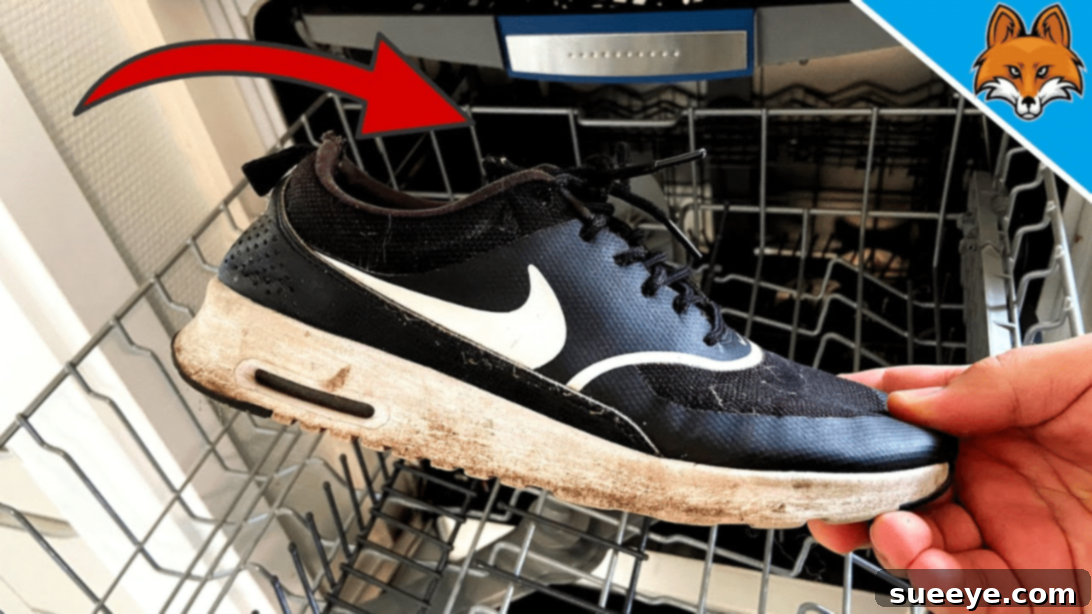
Ultimate Guide to Cleaning Your Shoes in the Dishwasher: A Surprisingly Effective Hack
Imagine this common predicament: your favorite pair of sneakers, the ones you rely on daily, are covered in mud, dirt, and grime. You absolutely need them clean and ready to wear by tomorrow, but your washing machine is out of commission, or perhaps you’re simply reluctant to put your precious footwear through its harsh cycles. What do you do in such a bind? While hand-washing can be tedious and time-consuming, there’s a surprisingly effective, albeit unconventional, solution gaining traction: using your dishwasher!
This idea might initially sound outlandish, even a bit unhygienic, but for many, it’s proven to be a game-changer, especially during those desperate moments when a quick, thorough clean is paramount. Before you dismiss it entirely, consider the power of focused water jets and specialized detergents. The dishwasher, designed to tackle tough food residue, can often work wonders on certain types of footwear, leaving them far cleaner than you might expect.
RELATED: Clever Dishwasher Hat Cleaning Hack
Indeed, some users report their shoes achieving a pristine level of cleanliness that traditional methods sometimes struggle to match. However, we understand if the thought of mixing footwear with dishware makes you uncomfortable or if you have hygiene concerns. If this method isn’t for you, there are always conventional alternatives. But if you’re open to exploring an innovative solution that could come in incredibly handy someday, then prepare to be enlightened by this smart hack, brilliantly demonstrated by Smart Fox on YouTube. Get ready to transform your shoe cleaning routine!
You might also like this hack: Easy Hat Cleaning Hack (with only 3 Steps)
The Dishwasher: A Controversial Yet Effective Shoe Cleaning Solution?
The concept of washing shoes in a dishwasher is undeniably unconventional, often sparking debates about hygiene and potential damage. Yet, when executed correctly, it can be a highly efficient way to refresh certain types of footwear. Dishwashers are engineered with powerful jets that deliver hot water and detergent, capable of dislodging stubborn dirt and grime from hard surfaces. This very mechanism, which makes them excellent for dishes, can also be surprisingly effective for robust shoes made of synthetic materials or canvas.
For those living in smaller spaces without dedicated laundry rooms or simply looking for an alternative to laborious hand scrubbing, the dishwasher offers a convenient hands-free option. It saves time and effort, especially when dealing with multiple pairs or exceptionally dirty shoes. The enclosed environment also ensures a thorough wash without the mess and splashing often associated with hand-washing in a sink or tub. However, it’s critical to approach this hack with caution and a clear understanding of its limitations to avoid disappointment or damage.
Understanding the Pros and Cons: Is It Right for Your Footwear?
Like any unconventional cleaning method, using a dishwasher for shoes comes with its own set of advantages and disadvantages. Weighing these carefully will help you decide if this hack is suitable for your needs and your specific shoes.
Advantages:
- Efficiency and Convenience: It’s a hands-free method that saves significant time and effort compared to scrubbing shoes by hand.
- Thorough Cleaning: The powerful jets and hot water (when set to low temperature) can effectively remove deeply embedded dirt and grime, reaching areas difficult to clean manually.
- Even Distribution of Detergent: Detergent is evenly dispersed, ensuring a comprehensive clean across the entire shoe surface.
- Eliminates Odors: A good wash can significantly reduce or eliminate unpleasant odors caused by bacteria and sweat.
Disadvantages:
- Not for All Shoes: Many materials, like leather, suede, and delicate fabrics, are highly susceptible to damage from water exposure and heat.
- Potential for Damage: Excessive heat can shrink shoes, warp plastics, melt adhesives, and damage intricate embellishments.
- Hygiene Concerns: Some people find the idea of washing shoes in the same appliance used for eating utensils unappealing, despite proper post-cleaning sanitation.
- Noise: Shoes can rattle and make noise during the wash cycle if not properly secured.
- Drying Time: Shoes will be thoroughly soaked, requiring a longer air-drying period afterward.
Which Shoes Can You Safely Wash in a Dishwasher? A Material Guide
The success of the dishwasher shoe cleaning hack hinges entirely on the type of shoes you intend to wash. Not all footwear is created equal, and some materials will simply not withstand the intense environment of a dishwasher. Here’s a guide to help you differentiate:
Suitable Shoes:
- Canvas Sneakers: Think classic brands like Converse or Vans. Their durable canvas uppers and rubber soles are generally robust enough to handle a dishwasher cycle.
- Synthetic Athletic Shoes: Many running shoes, cross-trainers, and sneakers made from synthetic meshes, nylon, or rubber are excellent candidates. Ensure they don’t have excessive gel inserts, air pockets, or complex electronic components.
- Rubber Boots/Sandals: Crocs, flip-flops, and other pure rubber or plastic footwear are perfect for the dishwasher, as they are completely waterproof and easy to dry.
- Kids’ Shoes: Many children’s shoes, especially those designed for play, are made from durable synthetic materials that can tolerate this cleaning method.
Shoes to Absolutely AVOID:
- Leather and Suede Shoes: Water and heat are the arch-enemies of leather and suede. They can cause cracking, shrinking, discoloration, and irreversible damage to the material’s texture and finish.
- Delicate Fabrics: Shoes with satin, silk, intricate embroidery, or delicate embellishments should never go into a dishwasher. The strong jets and heat will almost certainly ruin them.
- Shoes with Adhesives or Glued Components: Many shoes use adhesives to attach soles, trims, and decorative elements. The heat and prolonged water exposure in a dishwasher can dissolve these glues, causing shoes to fall apart.
- Dress Shoes/Formal Footwear: These are typically made from fine leathers or delicate materials and are not designed for machine washing of any kind.
- Shoes with Electronics: Light-up shoes or those with integrated technology will be irrevocably damaged by water.
- Work Boots: While rugged, many work boots contain leather, steel toes, or specialized inserts that are not dishwasher safe.
Always err on the side of caution. If in doubt, stick to traditional hand-washing or professional cleaning methods.
Step-by-Step Dishwasher Shoe Cleaning Method
Now that you know which shoes are suitable, let’s dive into the detailed process of how to achieve sparkling clean shoes using your dishwasher. Following these steps carefully will ensure the best possible results while minimizing any risks.
Step 1: Pre-Cleaning and Preparing Your Footwear
Pre-Clean and Prepare Insoles
Before introducing your shoes to the dishwasher, a little preparation goes a long way. First, vigorously knock your shoes together outside to dislodge any loose dirt, mud, or debris. Use an old brush or a paper towel to wipe off any larger clumps of grime from the soles and uppers. This prevents clogs in your dishwasher and ensures the cleaning cycle focuses on the deeper stains. Next, remove the laces from your shoes, as they can tangle and prevent a thorough clean; you can wash them separately by hand or in a mesh laundry bag in your washing machine. Most importantly, carefully remove the insoles of the shoes. Insoles are often made of materials that can degrade or absorb too much water in a dishwasher. Instead, soak them in a basin filled with warm water mixed with a small amount of laundry detergent or dish soap. Gently scrub them by hand, rinse thoroughly, and set them aside to air dry completely.
Step 2: Loading Your Shoes and Choosing the Right Detergent
Strategically Place Your Shoes and Add Detergent
With your shoes pre-cleaned and insoles removed, it’s time to load them into the dishwasher. Place the shoes upside down on the top rack of your dishwasher. Positioning them upside down helps the water jets reach the interiors and allows dirty water to drain effectively. If you’re concerned about them tumbling around during the cycle, you can secure them with dishwasher-safe clips or place them in a mesh laundry bag, attaching it to the rack. Crucially, ensure there are no other dishes or utensils in the dishwasher when washing shoes to maintain hygiene and prevent cross-contamination. Next, fill the detergent dispenser with your usual dishwasher detergent. For shoes, it’s often recommended to use less detergent than for a full load of dishes, perhaps half the usual amount. Also, and this is vital, set the dishwasher temperature to a low or “eco” setting. Avoid “sanitize,” “heavy duty,” or high-heat drying cycles, as excessive heat can cause shrinkage, warping, or damage to adhesives in your shoes. A cold rinse or a light wash cycle is ideal.
Step 3: Initiating the Wash Cycle for a Gentle Clean
Initiate the Wash Cycle and Post-Wash Steps
Once your shoes are securely placed and the detergent is loaded, close the dishwasher door and start the cycle on your chosen low-temperature setting. Allow the dishwasher to run its course. The jets will spray, the detergent will work its magic, and your shoes will undergo a thorough cleaning process. Once the cycle is complete, carefully open the dishwasher. Your shoes will be soaking wet, but visibly cleaner. Take them out immediately. If there’s any residual grime, especially on tougher spots, you can do a quick manual scrub at this point before they start to dry. Inspect them for any signs of damage, though with proper material selection and temperature settings, this should be minimal.
Step 4: Drying Your Shoes Properly for Optimal Results
Proper Drying for Lasting Results
The drying process is just as important as the washing itself to ensure your shoes retain their shape and don’t develop unpleasant odors. Immediately after removing them from the dishwasher, stuff the shoes with crumpled newspaper or paper towels. This serves a dual purpose: it helps the shoes hold their original shape as they dry, preventing them from shrinking or collapsing, and it also effectively soaks up excess moisture from the interior. Change the paper every few hours if it becomes saturated. Never put your shoes in a clothes dryer or near direct heat sources like radiators or heaters, as this can severely damage the materials, melt glues, and cause irreparable shrinkage. Instead, place the stuffed shoes outside in a well-ventilated area, preferably in indirect sunlight, or in a warm, dry spot indoors. Allow them to air dry completely, which can take anywhere from 24 to 48 hours depending on the humidity and shoe material. Patience is key here. Once fully dry, reinsert the now-clean insoles and laces, and your shoes will be ready to wear, fresh and revitalized!
Important Tips and Considerations for Best Results
To maximize the effectiveness of this dishwasher shoe cleaning hack and ensure both your shoes and appliance remain in top condition, keep these additional tips in mind:
- Post-Wash Dishwasher Cleaning: If you’re concerned about hygiene, run an empty cycle with a dishwasher cleaner or white vinegar immediately after washing your shoes. This will sanitize and refresh the appliance.
- Spot Test: If you’re unsure about a particular shoe material, consider spot testing a small, inconspicuous area with water and detergent before committing to a full dishwasher cycle.
- Frequency: This method is best reserved for occasional deep cleans rather than routine washing. Frequent exposure to water and detergent can still shorten the lifespan of some shoes.
- Mesh Bags for Delicate Parts: Even for suitable shoes, consider placing laces and very small, removable parts in a mesh laundry bag to prevent them from falling through the racks or getting tangled.
- Avoid Bleach: Do not use bleach in the dishwasher with your shoes, as it can cause discoloration and damage to certain materials. Stick to standard dishwasher detergent.
- Air Circulation is Key for Drying: Ensure maximum air circulation around your drying shoes. You can use a fan to speed up the process, but always keep them away from direct heat.
When to Opt for Alternative Cleaning Methods
While the dishwasher hack can be surprisingly effective for suitable shoes, it’s crucial to know when to revert to more traditional or specialized cleaning approaches. For shoes that are not dishwasher-safe – namely leather, suede, delicate fabrics, or those with intricate details – hand-washing remains the safest bet. Use a soft brush, mild soap, and minimal water to gently clean these materials, focusing on spot treatment rather than full submersion. For very delicate items or high-value shoes, professional shoe cleaning services offer expertise and specialized products to ensure they are cleaned without damage. Furthermore, for general maintenance and extending the life of your shoes, consider simple practices like wiping them down after each use, rotating your footwear, and using protective sprays suitable for the material. Understanding the best cleaning method for each pair will help you keep your entire shoe collection looking its best for longer.
*Thanks to Smart Fox via YouTube for all the fantastic images used here. Their clear demonstrations make this hack easy to follow. If you found this ingenious idea helpful, we highly recommend visiting their channel and subscribing! You’ll discover a treasure trove of other brilliant DIY tips, life hacks, and clever solutions that can simplify and enhance your daily life. Give them a visit and let us know what you think of this unique shoe-cleaning method!
Explore More Ingenious Home and Cleaning Hacks
We hope this comprehensive guide has shed light on the surprisingly effective method of cleaning shoes in your dishwasher. It’s a testament to thinking outside the box when it comes to household chores. Remember, responsible application, careful material consideration, and proper drying are key to success. Don’t be afraid to experiment with smart solutions like this, but always prioritize the longevity and integrity of your belongings. What other unusual cleaning hacks have you discovered? Share your experiences, and keep exploring innovative ways to maintain a clean and tidy home!