
The Ultimate Guide to Hand Washing Clothes: Preserve Delicates & Extend Longevity
In a world dominated by automatic washing machines and quick laundry cycles, the meticulous art of hand washing often goes overlooked. However, for many cherished garments, especially those crafted from delicate fabrics or adorned with intricate embellishments, hand washing isn’t merely an alternative—it’s an indispensable practice for ensuring their longevity and maintaining their pristine appearance. This comprehensive guide will meticulously walk you through the proper techniques for hand washing your clothes, guaranteeing they look their absolute best and last significantly longer. Whether you’re a novice seeking to understand the basics or an experienced individual aiming to refine your laundry routine, mastering hand washing is a valuable skill that will elevate your garment care.
Learning how to properly hand wash your clothing items can dramatically extend their lifespan, meticulously preserving their original shape, vibrant color, and exquisite texture. This gentle method stands out as the most efficient way to ensure your clothes maintain their peak condition, offering a considerate alternative to machine washing, which can often prove too harsh and damaging for sensitive materials. By embracing hand washing, you actively protect your wardrobe investments.
Why Prioritize Hand Washing for Your Clothing?
While hand washing might initially appear to be an additional step in your busy laundry routine, the profound benefits, particularly for specific types of garments, are simply undeniable. Unlike conventional washing machines that can subject fabrics to rigorous agitation and potential damage, hand washing empowers you with a controlled, supremely gentle environment. This careful and thoughtful approach is paramount in helping to:
- Prevent Shrinking and Stretching: Delicate fibers such as fine wool and luxurious silk are exceptionally susceptible to shrinking or losing their intended shape when exposed to the high temperatures and aggressive mechanical movements characteristic of a washing machine. Hand washing grants you complete control over the water temperature and the gentle handling required, thereby safeguarding the garment’s original form and integrity.
- Preserve Fabric Integrity and Quality: Over extended periods, the harsh mechanical action of machine washing can gradually wear down fabric fibers, leading to undesirable pilling, noticeable fading, and an overall degradation of the fabric’s texture. Hand washing significantly minimizes this destructive friction, ensuring that fabrics remain smooth, vibrant, and incredibly soft for a much longer duration.
- Protect Intricate Embellishments and Delicate Details: Items featuring delicate sequins, intricate beads, fine lace, and other decorative elements are highly prone to snagging, tearing, or detaching during a machine wash cycle. Hand washing guarantees that these elaborate details remain perfectly intact, thus preserving the garment’s intended aesthetic appeal and value.
- Extend Overall Garment Lifespan: By drastically reducing the wear and tear associated with harsher washing methods, hand washing makes a significant contribution to extending the life of your most cherished clothing items, ensuring your investment continues to pay dividends for years to come.
- Enable Targeted Stain Treatment: Hand washing provides the unique advantage of allowing precise and focused attention to specific stains. This capability enables you to gently work on soiled areas directly, without subjecting the entire garment to unnecessary stress or harsh treatments.
Which Fabrics Benefit Most from Hand Washing?
It’s important to note that not every piece of clothing requires hand washing. However, certain materials and intricate designs unequivocally demand this gentle, specialized treatment. Always consult your garment’s care label first, as it provides the most accurate instructions. Generally, the following items are prime candidates for the gentle touch of hand washing:
- Silk: Renowned for its unparalleled luxurious feel and elegant drape, silk is exceptionally delicate and can be easily damaged by high heat and aggressive detergents. Hand washing is crucial for preserving its natural sheen, exquisite softness, and structural integrity.
- Wool & Cashmere: These exquisite natural fibers are particularly susceptible to shrinking and felting when exposed to hot water and excessive agitation. Cool water hand washing is the optimal method for maintaining their plush loft, delicate texture, and original shape.
- Lace & Lingerie: Garments featuring intricate lace patterns, delicate straps, and integrated underwires can be effortlessly snagged, torn, or deformed within the confines of a washing machine. Hand washing offers the necessary protection for their fragile structure.
- Embellished Items: Any clothing adorned with beads, sequins, delicate embroidery, or other decorative elements should, without exception, be hand-washed to prevent irreparable damage to these precious adornments.
- Rayon & Viscose: These semi-synthetic fibers tend to weaken significantly when wet and are best handled with the utmost care through hand washing to prevent distortion or damage.
- Swimwear: To meticulously maintain its elasticity, vibrant colors, and overall shape, swimwear greatly benefits from gentle hand washing with cool water immediately after each use.
- Activewear (Specific Types): While a portion of activewear is machine washable, highly technical fabrics or those with specialized compression properties may require hand washing to preserve their unique integrity and performance characteristics.
Essential Tools for Effective Hand Washing
Before you embark on your hand washing journey, it’s wise to gather a few simple yet crucial tools to ensure your process is both efficient and highly effective:
- Clean Basin or Sink: A dedicated laundry basin, a thoroughly cleaned bathtub, or a stoppered utility sink will serve as your primary washing vessel. It is imperative to ensure it’s spotless to prevent any transfer of dirt, grime, or residues to your pristine clothes.
- Gentle Laundry Detergent: Always opt for a mild, pH-neutral detergent specifically formulated for delicate fabrics. Steer clear of harsh chemicals, chlorine bleach, or strong enzyme-based detergents that can strip color, weaken fibers, or cause irreversible damage. Specialized wool washes and silk-specific detergents are outstanding choices.
- Soft, Absorbent Towels: Several clean, plush, and highly absorbent towels are absolutely crucial for gently and effectively removing excess water from your garments without risking damage or distortion.
- Drying Rack or Clothesline: An air-drying solution is an absolute necessity, as almost all hand-washed items, especially delicates, must never be subjected to the heat and tumbling action of a machine dryer.
- Optional: Mesh Laundry Bag: For items that are extraordinarily delicate or have very fine details, a mesh laundry bag can provide an additional layer of protection during the gentle hand washing process, though it’s typically not a strict requirement.
Step-by-Step Guide: How to Hand Wash Your Clothes Like a Pro
This comprehensive tutorial, drawing inspiration from expert guides such as “How to House” on YouTube, is perfectly suited if your wardrobe includes numerous items that specifically require hand washing. It is designed to be straightforward, quick, easy to follow, and exceptionally beginner-friendly. Follow these precise step-by-step instructions to achieve impeccably clean and beautifully preserved results for your garments:
Step 1: Prepare Your Wash Basin and Garments
Commence the process by selecting a clean basin, sink, or even a bathtub, ensuring it is absolutely free from any lingering dirt, soap scum, or residues that could inadvertently transfer to your delicate garments. Proceed to fill your chosen vessel with cool or lukewarm water. The precise temperature of the water is a critical factor: it is imperative to avoid using hot water, as it possesses the capacity to cause many delicate fabrics, particularly fine wool and luxurious silk, to shrink irreversibly, warp their shape, or lose their vibrant, original colors. Cool or lukewarm water offers the ideal gentle environment, effectively cleaning without inflicting damage.
Subsequently, introduce a small, measured amount of your selected gentle laundry detergent into the water. Ensure you opt for a mild brand specifically formulated for the hand washing of delicates, wool, or silk. Dispense the detergent precisely according to the product’s instructions, typically requiring just a teaspoon or two for a standard basin full of water. Gently swirl the water with your hand to thoroughly mix the detergent, aiming to create a uniform, sudsy solution before you introduce your clothes. This meticulous pre-mixing guarantees even distribution of the detergent and prevents concentrated amounts from directly contacting and potentially staining the fabric.
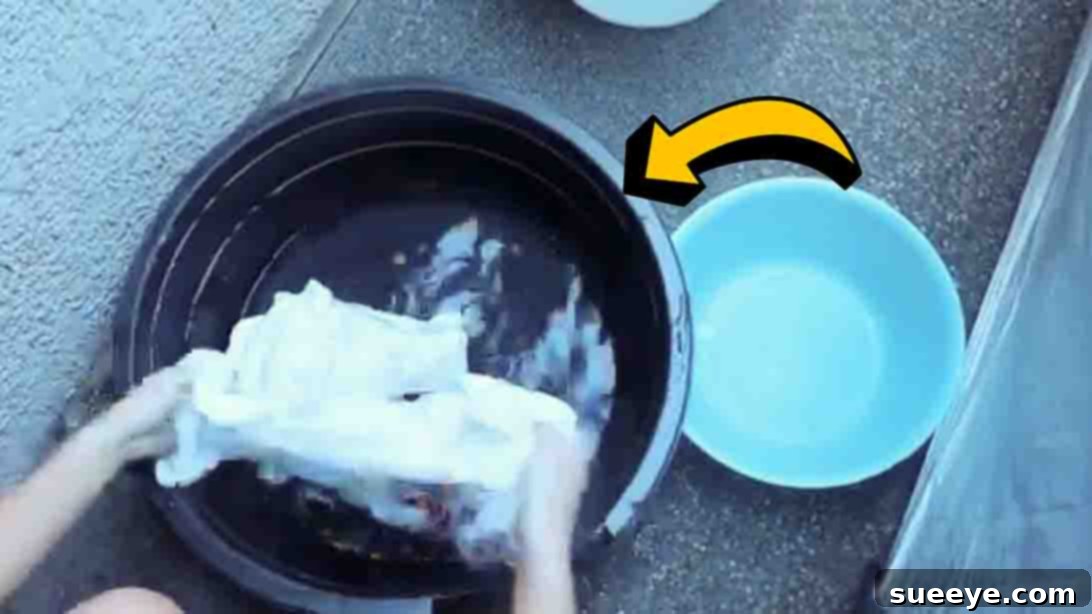
Before submerging your clothes, a prudent step is to sort them diligently by color, especially if you intend to wash multiple items. Darker colored garments should always be washed separately from lighter ones to prevent any undesirable dye transfer. Once sorted, carefully place one garment at a time into the prepared soapy water. Gently submerge each item, ensuring it is fully saturated with the solution. Employ your hands to softly move the clothes around in the water, mimicking a natural, gentle agitation. You may lightly squeeze and release the fabric rhythmically to assist the soapy water in penetrating the fibers, but it is paramount to be exceedingly careful not to stretch, twist, vigorously rub, or otherwise damage the items. The overarching goal at this stage is to gently loosen and lift dirt without subjecting the delicate fibers to undue stress.
Step 2: Soaking, Rinsing, and Initial Water Removal
Once you’ve completed the gentle washing of each item, allow the clothes to soak peacefully in the soapy water for an approximate duration of ten to fifteen minutes. This crucial soaking period grants the detergent ample time to thoroughly penetrate the fabric fibers and effectively work its magic, breaking down and lifting away any embedded dirt, grime, and body oils. For items that are particularly heavily soiled, you might judiciously extend the soaking time slightly, but always exercise caution to avoid leaving delicate fabrics submerged for excessively prolonged periods, as this can, in certain circumstances, weaken fibers or negatively impact dyes.
Following the completion of the soaking phase, carefully drain all the soapy water from the basin. It is absolutely imperative to remove every last trace of the dirty, sudsy water. Once the basin is drained, promptly refill it with fresh, clean, cool or lukewarm water. Proceed to gently rinse the clothes thoroughly by carefully swishing them around in this clean water. You may find it necessary to drain and refill the basin multiple times until the rinse water runs completely clear and you are confident that all traces of soap have been meticulously removed from the fabric. Lingering residual detergent can lead to skin irritation or leave undesirable stiff, dull patches on your clothes once they are dry.
When you are absolutely certain that all soap has been completely rinsed away, gently squeeze out any excess water from the clothes. To execute this step properly and avoid causing any damage, carefully gather the garment into a soft, loose ball and gently press it against the side of the basin or carefully between your hands. Under no circumstances should you wring or twist the fabric vigorously, as this aggressive action can severely stretch, distort, or irreparably damage delicate fibers, inevitably leading to misshapen and ruined garments. The primary objective here is to remove as much water as possible through careful, gentle compression.
Step 3: Final Drying for Perfect Results
Once you’ve diligently squeezed out the initial excess water from your garment, lay a clean, dry, and highly absorbent towel flat on a pristine, clean surface. Carefully place your freshly hand-washed garment flat onto one end of this towel. Proceed to meticulously roll the towel up, with the garment nestled securely inside, much like creating a sushi roll. As you gently roll, apply a soft, even pressure down on the towel to encourage it to absorb a significant amount of the remaining water from the garment. This ingenious technique is remarkably effective at removing a substantial portion of moisture without any need for harsh squeezing or twisting, thereby further safeguarding the fabric’s delicate integrity and shape.
After the rolling process is complete, carefully unroll the towel and gently remove your now considerably less damp clothes. At this critical stage, it is absolutely essential to prepare for air drying, as almost all hand-washed items, particularly those classified as delicates, must never, under any circumstances, be placed into a tumble dryer. The combination of high heat and the vigorous tumbling action of a dryer can inflict irreversible damage, including severe shrinking, unsightly stretching, rapid fiber degradation, or even melting for certain synthetic blends.
For the majority of garments, especially those that naturally retain their shape well, you can proficiently hang them to air dry on a padded hanger or a sturdy clothesline. However, for heavier items such as sweaters or exquisitely delicate knits (like fine wool or cashmere), flat drying is the unequivocally preferred method to prevent any undesired stretching or distortion. Lay these items perfectly flat on a clean, dry surface or utilize a specialized mesh drying rack, taking the opportunity to gently reshape them back to their original dimensions. Ensure there is ample air circulation around the garment to facilitate faster, more uniform drying. Importantly, avoid direct sunlight, which can cause colors to fade prematurely, and steer clear of any excessive heat sources.
Allow generous time for your garments to air dry completely and thoroughly before attempting to store them. Proper and complete drying not only ensures your items remain fresh and pristine but also effectively prevents the development of mildew or unpleasant odors. By diligently following these careful steps, your hand-washed clothes will emerge perfectly clean, wonderfully fresh, and ready to be cherished and enjoyed for many years to come.
Advanced Tips for Hand Washing Excellence
To further refine your hand washing results and elevate your overall garment care practices, consider incorporating these valuable additional tips:
- Pre-Treat Stubborn Stains: For specific, more persistent stains, gently dab a minimal amount of diluted gentle detergent or a specialized, fabric-appropriate stain remover directly onto the affected area prior to commencing the general wash. Allow it to penetrate for a few minutes, then proceed with your regular hand washing routine. Always perform a discrete patch test on an inconspicuous area first to ensure no discoloration or damage occurs.
- Wash Inside Out: A simple yet effective technique is to turn garments inside out before washing. This helps to protect the outer surface from friction and significantly preserves colors, especially beneficial for items adorned with prints or possessing delicate outer textures.
- Avoid Overloading the Basin: It is advisable to wash only one or two items at a time, particularly if they are bulky, heavily soiled, or exceptionally delicate. Overloading the basin diminishes the effectiveness of the cleaning process and substantially increases the risk of inadvertent damage to your clothes.
- Mind the Water Flow During Rinsing: When rinsing under a tap, ensure that the water flow is gentle and does not directly strike the fabric with high pressure. Strong water pressure can potentially cause stretching or stress on delicate fibers.
- Reshape Gently While Drying: As garments dry, especially knits, take a moment to meticulously reshape them back to their original form and dimensions. This step is critically important for maintaining the garment’s intended fit and overall aesthetic appearance.
- Ironing Precautions: Should ironing become necessary after hand washing, always consult the garment’s care label for precise temperature settings. For most delicate fabrics, a cool iron used with a protective pressing cloth is highly recommended to prevent scorching or damage.
Conclusion: Embrace the Art of Hand Washing for a Lasting Wardrobe
Hand washing transcends being merely a laundry chore; it is, in essence, a mindful and deliberate act of caring for your valuable garments. By dedicating just a little extra time and focused attention to your delicate clothes, you possess the power to significantly extend their life, meticulously preserve their inherent beauty, and steadfastly maintain their original, exquisite quality. This simple yet profoundly effective method guarantees that your most cherished pieces remain treasured staples in your wardrobe for many years to come, consistently looking as good as they did when they were brand new. Embrace these refined techniques, and you will undoubtedly transform your approach to clothing care, safeguarding your investment and perpetually enjoying the lasting elegance of a beautifully well-maintained apparel collection.
RELATED: How To Dry Clean Your Clothes At Home
If you prefer a visual, step-by-step guide, you should watch this comprehensive tutorial from How to House on YouTube for an excellent, practical demonstration of all these essential hand washing techniques.