
The Ultimate Guide to Building a DIY Pumpkin Fish Trap: A Creative Fall Fishing Adventure
Every autumn, pumpkins transform our homes into festive havens, adorning porches as cheerful decor, becoming spooky jack-o’-lanterns, or evolving into charming scarecrows. Yet, in an era of boundless online creativity, I’ve stumbled upon an idea so delightfully unconventional, it truly stopped me in my tracks: using a pumpkin to catch fish! After countless hours scrolling through YouTube, Facebook, and Pinterest, where imaginative DIY projects abound, I still find myself amazed by the ingenious ways people repurpose everyday objects. This particular revelation has me rethinking my entire fall fishing strategy – perhaps my trusty fishing rod might take a weekend off.
My passion for fishing is only rivaled by my love for autumn and its vibrant decorating possibilities. Just recently, I was deep into my annual pumpkin-buying spree, gathering gourds of all shapes and sizes, soaking up inspiration from the myriad of pumpkin decorating ideas flourishing across the internet. Then, I encountered a DIY project that completely hijacked my decorating plans. This wasn’t about paint or glitter; it was about repurposing a pumpkin, combined with a simple plastic bottle and a few nails, into a functional fish trap. For any fellow fishing enthusiast, the sheer novelty and potential of this concept are instantly captivating. The idea of spending a crisp fall afternoon by the lake, experimenting with this innovative trap, feels like the perfect way to embrace the season.
Why a Pumpkin Fish Trap? Unveiling the Genius Behind This Eco-Friendly Hack
The concept of a pumpkin fish trap might sound whimsical at first, but its underlying brilliance lies in its simplicity, accessibility, and surprisingly effective design. Traditional fishing methods often require an array of specialized gear, but this DIY approach taps into the natural world and everyday items. Pumpkins, with their hollow interiors and sturdy walls, offer a ready-made, biodegradable housing for a trap. Their autumnal abundance makes them a readily available and inexpensive resource during the fall season. Coupled with a discarded plastic bottle, which can be easily transformed into a funnel-like entry, you have the core components of a trap that’s both cost-effective and environmentally conscious.
This project isn’t just about catching fish; it’s about embracing a sustainable and creative approach to outdoor activities. By utilizing a natural, compostable material like a pumpkin and repurposing plastic waste, you’re engaging in a form of eco-friendly angling. It’s a testament to human ingenuity – taking something commonly associated with festive decorations and transforming it into a practical tool for survival or sport. The excitement of crafting your own gear, understanding the principles behind its function, and then putting it to the test in nature adds an unparalleled layer of satisfaction to the fishing experience. It’s a departure from the conventional, promising an adventure as unique as the trap itself.
Step-by-Step Construction: Bringing Your Pumpkin Fish Trap to Life
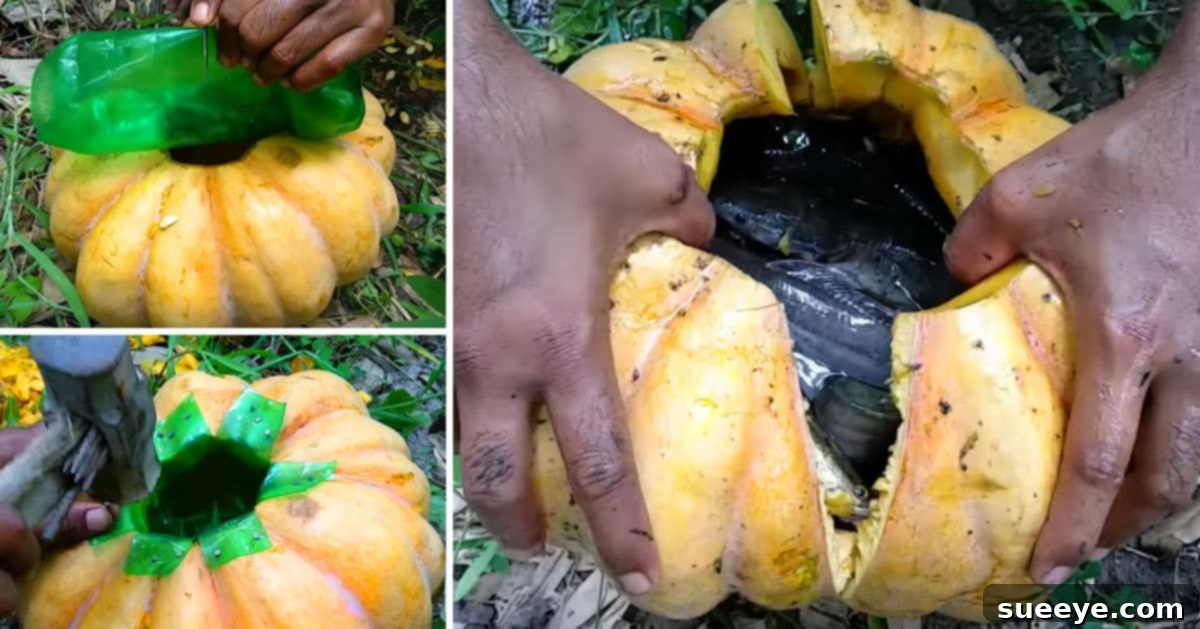
The beauty of the DIY pumpkin fish trap lies in its straightforward construction. While the full visual tutorial is best absorbed from the inspiring YouTube video (a link to which I will be providing for enthusiastic crafters), I can outline the general process that makes this project incredibly accessible. First, you’ll need your primary materials: a medium to large pumpkin, a plastic bottle (preferably one with a fairly narrow neck), and a handful of nails or strong adhesive. Tools required are minimal – a sturdy knife for pumpkin carving and perhaps a pair of scissors for the plastic bottle. The goal is to create an entry point into the pumpkin that allows fish to swim in but makes it difficult for them to find their way out.
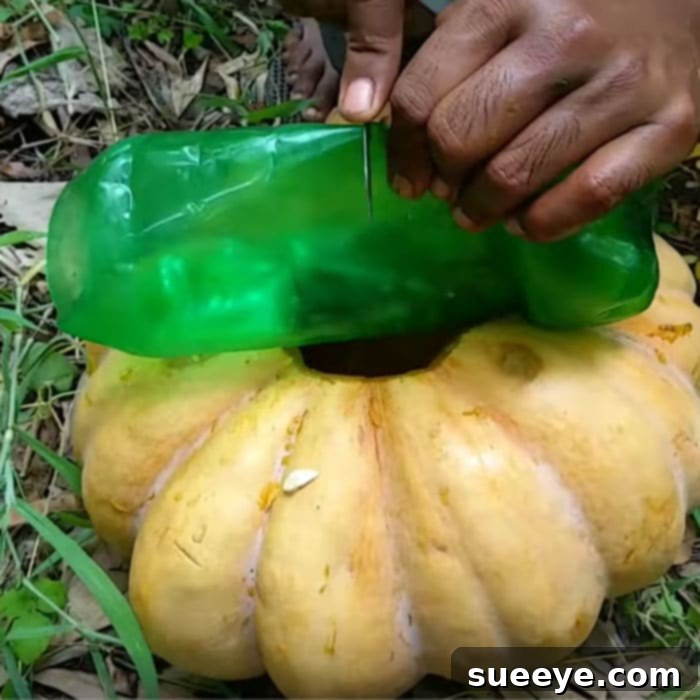
The process typically begins with preparing the pumpkin. After cleaning out the seeds and stringy pulp, you’ll need to cut an opening, ideally near the stem, large enough to insert your plastic bottle funnel. The plastic bottle is then prepared by cutting off its bottom, turning it into a funnel shape. This funnel is inverted and inserted into the pumpkin, with the bottle’s neck facing inwards. The wider opening of the bottle, now inside the pumpkin, acts as the trap’s entrance. The inverted funnel design is crucial; it guides fish inward and disorients them when they try to exit. Securing the bottle to the pumpkin can be done with small nails or strong, waterproof glue, ensuring a snug fit that prevents escape. Once assembled, your innovative fish trap is almost ready for deployment.
Maximizing Your Catch: Tips for an Effective Pumpkin Fish Trap
Constructing the trap is just the first step; making it effective requires a bit of strategy and understanding of fish behavior. When selecting your pumpkin, consider its size relative to the fish you hope to catch. A larger pumpkin offers more interior space, potentially accommodating bigger fish or a larger quantity of smaller ones. Bait selection is paramount: use local bait that fish in your chosen water body are accustomed to. Earthworms, corn, bread, or even small pieces of fish can be incredibly effective. Place the bait strategically inside the pumpkin, near the inverted bottle opening, to lure fish into the trap’s chamber.
Location is another critical factor. Observe your fishing spot for signs of fish activity – submerged logs, weed beds, or natural channels are often prime locations. Deploy your pumpkin trap in relatively shallow, calm waters where fish might forage. Anchor the trap securely to prevent it from drifting away, using a rope tied to a stake on shore or a heavy rock. Remember to check your trap regularly. Not only does this allow you to harvest your catch, but it also ensures the well-being of any trapped fish. Adhering to local fishing regulations, including trap size limits, bait restrictions, and catch limits, is always essential for responsible angling. This DIY project is a fantastic opportunity to combine environmental consciousness with the thrill of fishing.
Embracing the DIY Fishing Lifestyle: More Than Just a Catch
The allure of making your own fishing gear extends far beyond just the practicality of it. There’s a deep satisfaction that comes from creating something with your own hands and seeing it perform its intended function in the wild. This pumpkin fish trap project exemplifies the spirit of the DIY fishing lifestyle – resourceful, innovative, and deeply connected to nature. It encourages us to look at common objects in new ways, transforming them from mundane items into tools of exploration and adventure. Imagine the stories you’ll have to tell around the campfire: “Remember that time I caught dinner with a pumpkin?” It’s not just about the fish; it’s about the experience, the ingenuity, and the sheer joy of trying something completely different.
Moreover, in an age where sustainability is increasingly important, projects like the DIY pumpkin fish trap resonate deeply. It promotes upcycling and reduces waste, making it an excellent example of how we can enjoy our hobbies while being mindful of our environmental impact. For families, it offers a fantastic educational opportunity, teaching children about fish behavior, the principles of trapping, and the importance of responsible resourcefulness. It’s a hands-on lesson in ecological thinking disguised as a fun outdoor activity. Whether you’re a seasoned angler looking for a new challenge or a curious beginner eager to try a unique approach, this pumpkin trap opens up a world of possibilities for a truly memorable fall fishing season.
Beyond the Porch: The Unconventional Uses of Pumpkins
While the pumpkin fish trap is certainly a standout, it also highlights a broader trend: the incredible versatility of pumpkins beyond their traditional roles. We’ve all seen them as vibrant decor, essential ingredients in pies, or even transformed into elaborate artistic carvings. But the creativity doesn’t stop there. Some enthusiasts turn giant pumpkins into makeshift boats for racing, while others hollow them out to create unique planters or even bird feeders. Each year, I’m inspired anew by how people push the boundaries of what these magnificent gourds can become. The fish trap, however, marries the beauty of autumn’s quintessential fruit with a primal, yet ingenious, method of sustenance, adding another fascinating chapter to the pumpkin’s storied existence.
This fall, as I head to the lake with my homemade pumpkin fish trap in tow, my anticipation is palpable. The simple joy of creating something new, the thrill of the unknown, and the promise of a unique outdoor adventure are what truly drive me. The YouTube video that first revealed this clever hack certainly makes it look doable, and for someone like me who often dives headfirst into ambitious DIY projects, the apparent simplicity of this trap is particularly appealing. Who would have ever considered that the perfect shape and size for a fish trap could be found in a humble pumpkin? It’s a thought that truly hadn’t crossed my mind until now, and I encourage you to see the step-by-step instructions in the video for yourself. This weekend, my fishing rod might just get a well-deserved break, as I embark on this delightfully innovative quest to catch fish with a pumpkin.