
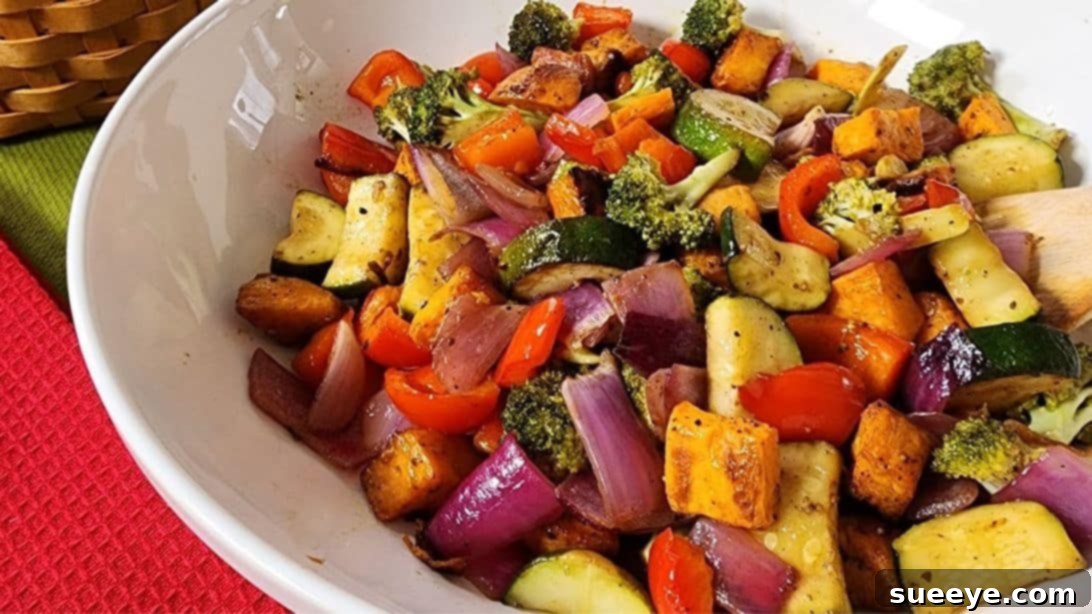
Transform your everyday meals with a side dish that’s as effortless as it is exquisite. This **Roasted Vegetables with Balsamic Vinaigrette** recipe, inspired by the culinary wisdom of Rachel Cooks With Love, offers a delightful medley of flavors and textures that will tantalize your taste buds. It’s a testament to how simple ingredients, when prepared with a little care, can yield extraordinary results. Imagine vibrant vegetables, perfectly roasted to achieve a crispy exterior and tender interior, all coated in a tangy, sweet balsamic glaze. This isn’t just a side dish; it’s a celebration of wholesome goodness, incredibly versatile, and destined to become a staple in your kitchen.
Whether you’re looking for a healthy accompaniment to your main course, a quick meal prep option, or a way to incorporate more vegetables into your diet, this recipe delivers. Roasting brings out the natural sweetness of vegetables, creating a depth of flavor that steaming or boiling simply can’t match. The balsamic vinaigrette adds a sophisticated touch, making each bite an experience. Prepare to impress your family and friends with a dish that looks gourmet but is remarkably easy to execute, proving that healthy eating can also be incredibly delicious and satisfying. This ultimate guide will walk you through every step to achieve perfectly roasted vegetables every time.
Essential Ingredients for Your Perfect Roast
The beauty of this roasted vegetable recipe lies in its simplicity and the quality of its fresh ingredients. Each component plays a vital role in creating a harmonious blend of flavors and textures. Here’s what you’ll need to create this flavorful masterpiece, along with some tips for selection and preparation:
- 1 medium sweet potato: Opt for a firm, unblemished sweet potato with smooth skin. Its natural sweetness caramelizes beautifully when roasted, adding a lovely, earthy-sweet contrast to the savory notes. Ensure you cut it into uniform 3/4 to 1-inch cubes. This consistent sizing is crucial for even cooking, ensuring every piece is tender inside and slightly crispy on the edges.
- 1 medium zucchini: Choose a firm, vibrant green zucchini that feels heavy for its size. Zucchini absorbs flavors wonderfully and adds a delicate, slightly buttery softness to the medley. Slice it into 1-inch half-moon pieces.
- 1 small broccoli head: Select a broccoli head with tight, dark green florets and a firm stem. Broccoli adds a satisfying, slightly bitter crunch and earthy flavor. Cut the florets into medium-sized pieces or long strips, roughly 1.5 to 2 inches. It’s important to avoid cutting them too small, as smaller pieces can overcook rapidly, becoming mushy and losing their appealing texture during the roasting process.
- 1 medium purple onion: Also known as a red onion, it provides a beautiful ruby color and a mild, sweet flavor when roasted. As it cooks, the sharpness mellows significantly, becoming tender and adding a wonderful depth. Chop it into roughly 1-inch pieces.
- 1 medium red bell pepper: Bright red bell peppers offer a wonderful natural sweetness and vibrant color that makes the dish visually appealing. They become tender and slightly charred at the edges, enhancing the overall flavor profile with their smoky-sweet notes. Chop into uniform 1-inch pieces.
- 4 tablespoons of olive oil or as needed (divided): High-quality extra virgin olive oil is ideal for roasting. It helps the vegetables crisp up beautifully, prevents them from sticking to the baking sheet, and acts as a fantastic vehicle for distributing the flavors of the seasonings. You might need a little more or less depending on the exact quantity of vegetables and how well they coat.
- 3 1/2 tablespoons of balsamic vinaigrette: This is the star of the dressing, providing a complex sweet, tangy, and slightly acidic note that elevates all the natural flavors of the roasted vegetables. Choose a good quality balsamic for the best results, as its depth of flavor will shine through.
- Salt and black pepper to taste: These are essential for seasoning. Always use freshly ground black pepper for the best aroma and flavor, and sea salt or Kosher salt for a cleaner taste. Adjust quantities to your personal preference.
- Onion powder, garlic powder (optional): These provide an extra layer of savory depth and can be particularly good if you want a more robust, aromatic flavor profile. Feel free to add a dash or two, based on your preference for a richer, more umami taste.
Chef’s Tip on Broccoli: As mentioned, the size of your broccoli florets is crucial for achieving the perfect texture. Aim for pieces that are consistent in size, about 1.5-2 inches. This will ensure they roast evenly and maintain that desirable tender-crisp texture without becoming soggy or burnt. Consider cutting some of the stem into small coins as well, as they become deliciously tender.
Preparation for Perfection: Getting Your Veggies Ready
Proper preparation is the foundation of any great roasted dish. Taking a few extra minutes here will guarantee beautifully cooked, flavorful vegetables every time, minimizing common pitfalls and maximizing flavor development.
- Wash and Dry Thoroughly: Always wash your vegetables thoroughly under cold running water to remove any dirt or residues. Critically, pat them completely dry with a clean kitchen towel or paper towels before oiling. Excess moisture is the enemy of crispiness; it will cause the vegetables to steam rather than roast, preventing that coveted crispy exterior and desirable caramelization.
- Uniform Cutting is Key: As noted in the ingredients section, cutting your vegetables into uniform sizes is paramount. This is the single most important step for ensuring they cook evenly. If some pieces are too small, they’ll burn; if others are too large, they’ll remain undercooked. Aim for consistency to achieve a harmonious blend of textures.
- Preheat Your Oven Accurately: Don’t skip this step! A properly preheated oven ensures that the vegetables hit a high temperature immediately upon entering, encouraging rapid caramelization and crisping from the very start. Set your oven to the recommended temperature and allow at least 15-20 minutes for it to reach and stabilize at that heat. Using an oven thermometer can help verify accuracy.
- Choose the Right Baking Sheet (and Don’t Overcrowd): Use a large, heavy-duty baking sheet, preferably light-colored to prevent over-browning. Darker sheets tend to brown more quickly. Crucially, avoid overcrowding the pan at all costs. This is one of the most common mistakes that leads to steamed rather than roasted vegetables. If necessary, use two baking sheets to give your vegetables ample space, ensuring they roast beautifully instead of steaming in their own moisture.
- Use Parchment Paper: Lining your baking sheet with parchment paper is a game-changer. It makes cleanup an absolute breeze and, more importantly, prevents vegetables from sticking, promoting better browning and crispiness.
Step-by-Step Guide to Roasting Your Vegetables
Follow these simple, yet detailed, steps to create a show-stopping side dish that everyone will adore. Remember to work efficiently to minimize the time between prep and oven for optimal results and maximum flavor.
Step 1: Prepare the Sweet Potatoes
Begin by placing your uniformly cubed sweet potatoes into a large mixing bowl. Drizzle them generously with one tablespoon of olive oil. Using your clean hands or a sturdy spatula, toss the sweet potatoes thoroughly until every single piece is lightly and evenly coated in oil. This initial coating is vital for promoting even browning, enhancing flavor, and preventing the potatoes from sticking to the baking sheet during the first phase of roasting.
Step 2: Season and Begin Roasting the Sweet Potatoes
Once coated, season the sweet potatoes generously with freshly ground black pepper and salt. Toss them again to ensure the seasonings are distributed evenly over every surface. Carefully transfer the seasoned sweet potatoes to a baking sheet, spreading them out into a single, even layer. It’s absolutely crucial that the potatoes are well-spaced and not touching too much; this separation allows hot air to circulate freely around each piece, which is the key to achieving that desirable crispy exterior. Place the baking sheet into a preheated oven at 425 degrees Fahrenheit (220 degrees Celsius), positioned on the center rack. Roast for 20 minutes. During this initial roasting time, the sweet potatoes will begin to soften, their natural sugars will caramelize, and they’ll start to develop a delicious golden-brown crust, laying the perfect groundwork for a flavorful medley.
Step 3: Prepare and Season the Remaining Vegetables
While the sweet potatoes are diligently roasting, utilize a separate large mixing bowl to combine the remaining raw vegetables: the zucchini half-moons, chopped purple onion, red bell pepper pieces, and broccoli florets. Add the remaining 3 tablespoons of olive oil to these vegetables and toss them vigorously until every single piece is thoroughly coated. This ensures consistent roasting and crisping. Next, pour in the 3 1/2 tablespoons of balsamic vinaigrette, followed by a generous seasoning of salt and pepper. If desired, now is the perfect time to add a dash of onion powder or garlic powder for an extra layer of savory depth and aromatic complexity. Toss all the ingredients once more, making sure the vinaigrette and seasonings are meticulously distributed over all the vegetables. The goal is for each vegetable to be glistening, fragrant, and ready to absorb the flavors as it roasts.
Step 4: Combine All Vegetables and Finish Roasting
After the initial 20 minutes of roasting for the sweet potatoes, carefully and safely remove the baking sheet from the hot oven. Gently add the bowl of seasoned zucchini, onion, bell peppers, and broccoli directly to the baking sheet, mingling them with the partially roasted sweet potatoes. You might need to gently stir them together directly on the sheet to combine all the ingredients. Crucially, ensure all the vegetables are spread out as much as possible in a single layer to continue preventing steaming and promote even browning. Season lightly with a final sprinkle of pepper. Return the baking sheet to the oven for an additional 15 minutes. To achieve optimal browning and ensure all sides get wonderfully crispy, take the vegetables out after approximately 7.5 minutes (halfway through this final roasting period) and give them a quick, thorough toss with a spatula before returning them to the oven. This little trick makes a significant difference in both texture and overall flavor distribution.
Step 5: Serve and Savor Your Creation
Once the vegetables are beautifully tender-crisp, wonderfully caramelized, and incredibly fragrant, carefully remove them from the oven. Transfer them immediately to a serving platter. These roasted vegetables with balsamic vinaigrette are a fantastic standalone dish, bursting with flavor, or a superb accompaniment to a wide variety of main courses. Prepare to enjoy the rich, harmonious flavors and textures you’ve so skillfully created!
Expert Tips for a Perfect Roasted Vegetable Medley
Achieving perfectly roasted vegetables every single time is an art that’s surprisingly easy to master with a few key techniques. These tips will ensure your vegetables are consistently crispy, tender, and full of flavor:
- Don’t Overcrowd the Pan (Seriously!): This is arguably the most critical tip for any roasted vegetable recipe. When vegetables are packed too tightly on a baking sheet, they release moisture and essentially steam each other instead of roasting. This results in soggy, rather than beautifully crispy and caramelized, vegetables. Always use two baking sheets if necessary, giving your veggies plenty of space to breathe and brown. There should be a small gap between each piece.
- High Heat is Your Best Friend: Roasting at a high temperature (generally 400-425°F or 200-220°C) is absolutely essential. High heat encourages the Maillard reaction, a chemical process that creates delicious browning and helps to achieve that desirable crispy exterior. Lower temperatures will just cook them through without much browning or flavor development.
- Use Parchment Paper for Easy Cleanup and Better Browning: Lining your baking sheet with parchment paper is a game-changer. It makes cleanup an absolute breeze, preventing vegetables from sticking. Beyond convenience, it can also aid in even browning by creating a non-stick surface that promotes direct contact with the heat.
- Toss Halfway Through for Uniformity: As instructed in the recipe, tossing the vegetables halfway through the roasting process is vital. This ensures all sides of the vegetables get exposed to the direct heat of the pan and the oven’s radiant heat, leading to uniform browning, crispiness, and even cooking.
- Adjust Roasting Times for Different Densities: Keep in mind that different vegetables have different cooking times based on their density and water content. Harder root vegetables like sweet potatoes and carrots take longer than softer ones like zucchini and bell peppers. This recipe intelligently accounts for that by giving sweet potatoes a head start. If you’re substituting vegetables, group them by similar densities or add them at staggered intervals.
- Season Liberally and Taste: Vegetables can handle a good amount of seasoning. Don’t be shy with salt, pepper, and your chosen spices. Taste a small piece once they’re out of the oven and adjust seasonings if needed, perhaps with another sprinkle of salt or a fresh crack of pepper.
- Don’t Forget the Oil: A good coating of olive oil is necessary for crisping and flavor. It helps transfer heat to the vegetables and creates a barrier that prevents them from drying out while promoting a delicious crust.
Creative Variations & Serving Inspirations
This roasted vegetable recipe is incredibly versatile, making it exceptionally easy to adapt to your taste preferences, dietary needs, and whatever fresh produce you have on hand. Don’t be afraid to experiment and make it your own!
Vegetable Substitutions and Additions:
- Hearty Root Vegetables: Carrots, parsnips, butternut squash, or even small chunks of beet can be roasted alongside sweet potatoes. Just ensure they are cut into similar-sized pieces for even cooking, perhaps giving denser roots a slight head start.
- More Cruciferous Cousins: Cauliflower florets, halved Brussels sprouts, or even finely sliced cabbage can make excellent additions, offering different textures and flavors.
- Tender Greens & Quicker-Cooking Veggies: Asparagus spears, green beans, or cherry tomatoes can be added during the last 10-15 minutes of roasting, as they cook much faster and can become mushy if roasted too long. Spinach or kale can be wilted into the hot vegetables after they come out of the oven.
- Mushrooms for Umami: Sliced cremini, button, or even shiitake mushrooms add an earthy, savory depth that pairs wonderfully with the other vegetables and balsamic glaze.
Flavor Enhancements & Alternative Seasonings:
- Fresh Herbs: Toss with fresh rosemary, thyme, or oregano sprigs before roasting for an aromatic, herbaceous touch. Dried herbs like Italian seasoning or Herbes de Provence can also be used effectively.
- Spicy Kick: A pinch of red pepper flakes, a dash of cayenne pepper, or a finely minced fresh chili can dramatically change the flavor profile and add a pleasant warmth.
- Smoky Notes: A pinch of smoked paprika or a dash of liquid smoke can impart a delightful smoky flavor, especially good with bell peppers and sweet potatoes.
- Citrus Brightness: A little lemon or orange zest added immediately after the vegetables come out of the oven, along with a squeeze of fresh juice, brightens up the entire dish beautifully.
- Maple or Honey Glaze: For an even sweeter, more caramelized finish, you can add a drizzle of pure maple syrup or honey along with the balsamic vinaigrette, particularly effective with sweet potatoes and carrots.
Creative Serving Suggestions:
Beyond being a stellar side dish, these roasted vegetables can be integrated into various meals, making them incredibly versatile for weeknight dinners or weekend brunches:
- Main Course Accompaniment: They are the perfect complement to a wide range of proteins, including grilled chicken breasts, baked salmon, pan-seared scallops, roasted turkey, or a juicy steak.
- Hearty Vegetarian Meal: Serve them over a bed of fluffy quinoa, toothsome couscous, brown rice, or even creamy polenta for a satisfying and healthy vegetarian dinner.
- Warm Salad Topper: Allow them to cool slightly, then add them to a bed of fresh mixed greens with crumbled feta or goat cheese and a light vinaigrette for a warm, substantial, and incredibly flavorful salad.
- Savory Breakfast Hash: Repurpose leftovers by chopping them smaller and pan-frying them gently, then topping with a perfectly fried or poached egg for a delicious and nutritious morning hash.
- Flavorful Wrap or Sandwich Filling: Great when mixed with creamy hummus, a dollop of Greek yogurt, or a spread of cream cheese in a whole-grain pita, tortilla, or on crusty bread.
- Pasta or Grain Bowl Addition: Toss with your favorite pasta and a light sauce, or add to a nourish bowl with other grains and proteins for a complete meal.
The Health Benefits of Roasting Your Vegetables
Beyond their incredible taste and culinary versatility, these roasted vegetables are a nutritional powerhouse. Roasting is an excellent and often preferred way to prepare vegetables as it enhances their natural flavors without requiring excessive fats, making them an ideal component of a balanced, healthy diet.
- Rich in Essential Nutrients: Each vegetable in this vibrant medley brings its own impressive array of vitamins, minerals, and potent antioxidants. Sweet potatoes are packed with beta-carotene (Vitamin A), zucchini with Vitamin C and potassium, broccoli with Vitamin K, Vitamin C, and fiber, bell peppers with an abundance of Vitamin C, and onions with prebiotics and sulfur compounds.
- Excellent Source of Dietary Fiber: The high fiber content found in this dish aids significantly in digestion, promotes feelings of satiety (fullness), and helps maintain healthy blood sugar levels, all contributing to overall gut health and metabolic well-being.
- Heart-Healthy Fats from Olive Oil: Olive oil, a cornerstone of the Mediterranean diet and the fat used in this recipe, provides beneficial monounsaturated fats. These fats are known to support heart health, help lower bad cholesterol levels, and crucially aid in the absorption of fat-soluble vitamins (like Vitamins A, D, E, and K) found abundantly in the vegetables.
- Boosts the Immune System: The generous abundance of vitamins (especially Vitamin C) and antioxidants in these vegetables helps strengthen your immune system, offering protection to your body against illnesses and environmental stressors.
- Weight Management Friendly: Roasted vegetables are naturally low in calories but incredibly high in essential nutrients and dietary fiber. This combination helps you feel full and satisfied for longer periods, making them an excellent choice for weight management or for those looking to maintain a healthy lifestyle without compromising on flavor.
- Anti-Inflammatory Properties: Many of the vegetables included, such as broccoli and bell peppers, contain compounds with anti-inflammatory properties, contributing to overall health and potentially reducing the risk of chronic diseases.
Incorporating more roasted vegetables into your daily diet is a simple yet profoundly effective way to boost your health, enhance your meals, and enjoy delicious, wholesome food that nourishes your body from the inside out.
Storage and Reheating Tips for Meal Prep
These roasted vegetables are so delicious, you might want to make a double batch! They are fantastic for meal prepping and enjoying throughout the week. Here’s how to store and reheat them effectively to maintain their deliciousness and texture.
- Proper Storage: Always allow any leftover roasted vegetables to cool completely at room temperature before storing. This prevents condensation and helps maintain quality. Once cooled, transfer them to an airtight container and store them in the refrigerator for up to 3-4 days.
- Reheating for Best Texture: To regain some of that coveted crispiness, avoid the microwave if possible for reheating.
- Oven (Recommended for Crispiest Results): For the crispiest and most delicious results, preheat your oven to 375°F (190°C). Spread the cold roasted vegetables in a single layer on a baking sheet (preferably lined with parchment paper). Reheat for 10-15 minutes, or until they are thoroughly warmed through and their edges begin to crisp up again. This method best preserves their original texture and flavor.
- Air Fryer (Excellent for Quick Crispiness): An air fryer is a fantastic option for quick reheating and regaining that satisfying crispiness. Preheat your air fryer to 350°F (175°C). Place the vegetables in a single layer in the air fryer basket (do not overcrowd) and cook for 5-7 minutes, making sure to shake the basket halfway through to ensure even heating and crisping.
- Microwave (Convenient, but Softer Texture): While convenient, reheating roasted vegetables in the microwave tends to make them softer and can cause them to lose their crispy texture. If time is a significant constraint, reheat in a microwave-safe dish for 1-2 minutes, stirring halfway. This method is best if you don’t mind a softer texture or plan to incorporate them into another dish where crispiness isn’t paramount.
Enjoying your meal prep never tasted so good and so healthy! These simple storage and reheating tips ensure that every meal is as delightful as the first.
Final Thoughts on Your Roasted Vegetable Delight
This Roasted Vegetables with Balsamic Vinaigrette recipe isn’t just a collection of steps; it’s an invitation to embrace simple, wholesome cooking that delivers incredible flavor and undeniable satisfaction. From the sweet caramelization of the potatoes to the crisp-tender bite of the broccoli and bell peppers, all beautifully brought together by the tangy, sweet embrace of balsamic vinaigrette, this dish is a testament to the transformative magic of roasting. It’s a healthy choice, incredibly versatile, and profoundly satisfying for any meal of the day.
Whether you’re a seasoned home cook looking for a reliable side dish or just beginning your culinary journey, this recipe provides a foolproof path to a consistently delicious outcome. It encourages creativity with ingredient variations, allowing you to adapt it to your preferences and whatever fresh produce is in season. Moreover, it offers endless possibilities for pairing with your favorite main courses or integrating into larger meals. We sincerely hope you’ll try this recipe and discover the pure joy of perfectly roasted vegetables. Share your creations, experiment with new additions, and most importantly, savor every flavorful, nutritious bite!