
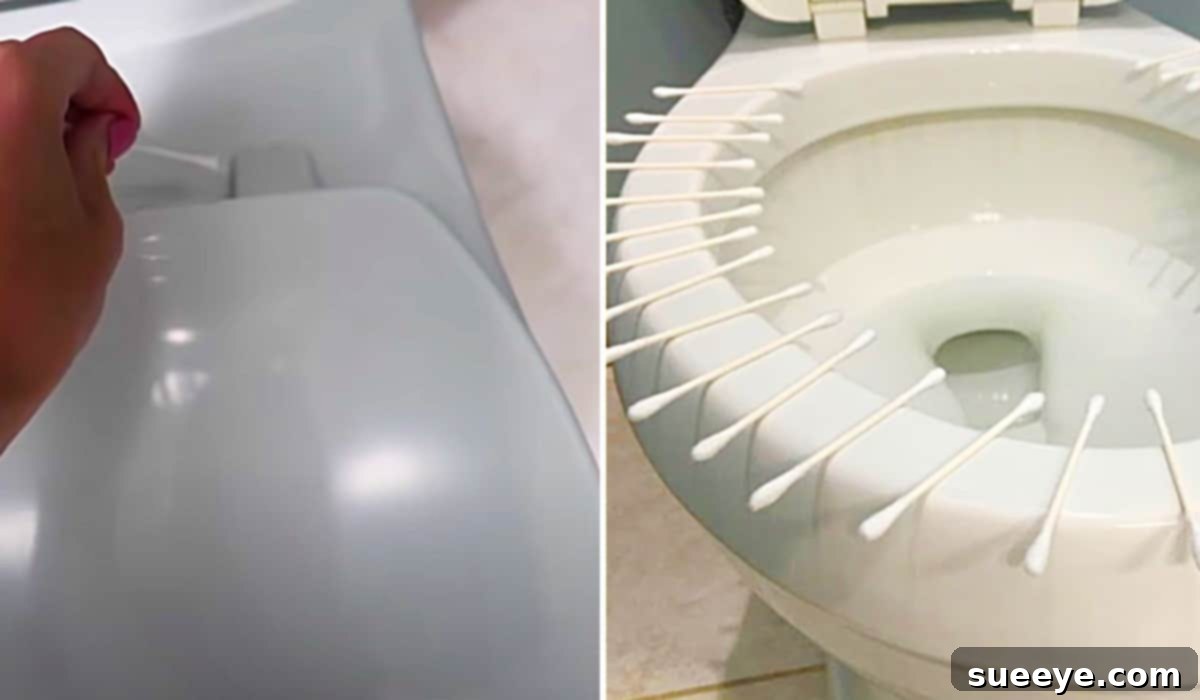
The Ultimate Guide to Detail Cleaning with Cotton Swabs: Unlocking Hidden Cleanliness
Often relegated to a single, delicate task, the humble cotton swab, or Q-tip, holds immense potential as a versatile cleaning tool. While commonly associated with ear hygiene (though often misused for that purpose), its true prowess shines in tackling those intricate, hard-to-reach areas that larger cloths and sponges simply miss. Imagine effortlessly banishing dust from computer keyboards, meticulously cleaning car interior crevices, or ensuring your hair dryer functions optimally by clearing its lint-clogged vents. This article, inspired by the ingenious methods demonstrated by Andrea Jean Cleaning on YouTube, will transform your perception of these small but mighty cleaning aids. Prepare to discover a world of precision cleaning that leaves your home, vehicle, and gadgets sparkling with newfound brilliance.
The Power of Precision: Why Cotton Swabs Are Your Secret Weapon for Spotless Spaces
In the realm of cleaning, the focus often lies on broad strokes – wiping down surfaces, vacuuming floors, and scrubbing large fixtures. However, true cleanliness lies in the details. This is where cotton swabs emerge as indispensable tools. Their slender design and soft, absorbent tips make them perfect for navigating tight spaces, delicate components, and intricate textures. Unlike bulky cloths or brushes, cotton swabs can reach into nooks, crannies, and seams, effectively lifting dirt, dust, and grime that accumulates in neglected areas. This precision cleaning not only enhances aesthetics but also contributes to the longevity and performance of your belongings, from electronics to appliances.
Think about the typical overlooked spots in your home and car: the narrow gaps between keys on a keyboard, the intricate patterns of air vents, the tiny buttons on remote controls, or the often-grimy edges of your car’s dashboard. These areas are magnets for dust, crumbs, and microscopic debris, which, if left unchecked, can degrade functionality or simply make your environment feel less hygienic. With cotton swabs, you gain the ability to target these specific spots, ensuring a level of clean that was previously unattainable with conventional methods. Their disposable nature also makes them ideal for tasks involving particularly stubborn or greasy grime, as you can simply discard a dirty swab and grab a fresh one without spreading contaminants.
Essential Preparations: What to Pair with Your Cotton Swabs for Maximum Cleaning Power
The effectiveness of a cotton swab is significantly amplified when paired with the right cleaning solution. While a dry swab is excellent for dusting, dampening it with a suitable agent can tackle more stubborn messes, disinfect surfaces, and leave behind a fresh scent. Here are some key liquids to consider for your cotton swab cleaning arsenal:
- Rubbing Alcohol (Isopropyl Alcohol): A fantastic choice for electronics. It evaporates quickly, minimizing moisture risk, and effectively dissolves grease, grime, and disinfectant. Use it for keyboards, mouse sensors, phone screens (check manufacturer guidelines first), and remote controls.
- Distilled White Vinegar: A natural disinfectant and deodorizer, vinegar is excellent for cutting through mineral deposits, mildews, and general grime. Dilute it with water for less aggressive cleaning, and use it on window tracks, faucet bases, or non-electronic kitchen appliance crevices.
- Hydrogen Peroxide: Known for its gentle bleaching and disinfecting properties, peroxide can be useful for sanitizing certain surfaces or gently lifting stains from lighter materials. Always test in an inconspicuous area first, especially on colored surfaces.
- Witch Hazel: A mild astringent, witch hazel can be used for gentle cleaning and refreshing. It’s often used in beauty routines but can also clean delicate surfaces without leaving residue.
- Mild Dish Soap & Water: For general dirt and grime on surfaces that can tolerate a little moisture, a diluted solution of dish soap and water is a classic and effective choice. Use sparingly to avoid excessive suds or residue.
- Essential Oils: While not primary cleaners, a drop of essential oil (like lemon or tea tree) on a damp swab can add a pleasant scent and mild antibacterial properties to your cleaning routine, particularly after a surface has been thoroughly cleaned.
Always remember to unplug electronic devices before cleaning and use solutions sparingly to avoid oversaturation. Testing any cleaning solution on an inconspicuous area first is always a wise precaution, especially on delicate or colored materials.
Deep Dive into Hair Dryer Maintenance: Keeping Your Essential Tool in Top Condition
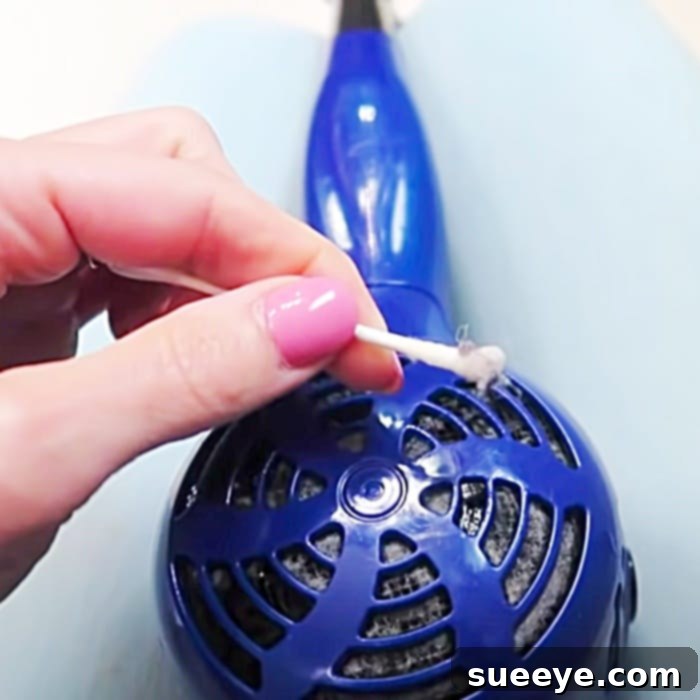
Your hair dryer is a daily workhorse, but like any appliance with a motor, it requires regular maintenance to perform efficiently and last longer. One of the most critical, yet frequently overlooked, tasks is cleaning the lint and dust from its air intake grill. When this grill becomes clogged with lint, hair, and dust, it restricts airflow, forcing the motor to work harder. This can lead to overheating, reduced drying power, and eventually, motor burnout, rendering your hairdryer useless. In some cases, extreme overheating can even pose a fire hazard. Regular cleaning is not just about extending its life; it’s about ensuring safe and effective operation.
How to Clean Your Hair Dryer with Cotton Swabs:
- Unplug for Safety: Always ensure your hair dryer is completely unplugged from the power outlet before you begin cleaning. Safety is paramount.
- Remove Larger Debris: If your hair dryer has a removable back cover or filter, take it off. Use tweezers or your fingers to carefully pull out any large clumps of lint or tangled hair.
- Target the Grill with Cotton Swabs: This is where the cotton swabs excel. Dampen a cotton swab with a tiny amount of rubbing alcohol or simply use it dry. Gently insert the tip into each individual opening of the grill, twisting and rotating to pick up stubborn dust and lint that’s embedded deep within. Repeat with fresh swabs until no more dirt is visible.
- Clean the Fan Blades (if accessible): If you can safely access the internal fan blades (often through the back grill after removing a cover), use a dry cotton swab to gently wipe away any accumulated dust. Be extremely careful not to bend or damage the blades.
- Reassemble and Test: Once clean, reattach any covers or filters. Plug in your hair dryer and run it for a moment to ensure it’s functioning properly with improved airflow.
Making this a routine task, perhaps once a month or every few weeks depending on usage, will significantly prolong the life of your hair dryer and keep it performing at its best.
Revitalizing Your Vehicle’s Interior: Achieving Showroom Cleanliness with Q-Tips
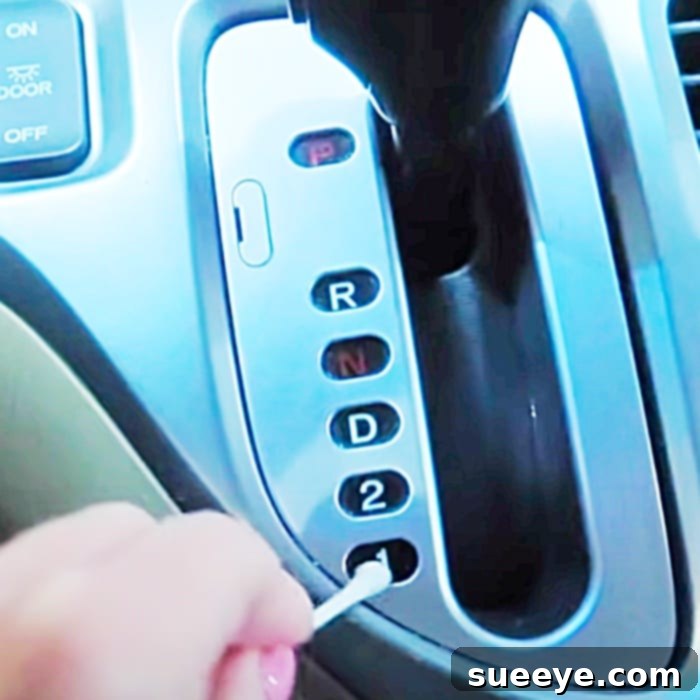
The interior of your car is a complex tapestry of textures, buttons, and crevices, making it a prime location for dust, crumbs, and spills to hide. While a quick vacuum and wipe-down can handle the major surfaces, achieving a truly pristine look requires a dedicated approach to detail – an area where cotton swabs truly shine. From the air vents that blow fresh (or dusty) air to the intricate stitching on your steering wheel, these small tools allow you to reach and clean every tiny nook and cranny, elevating your car’s cleanliness to a professional standard.
Targeting Key Areas in Your Car’s Interior:
- Air Vents: These are notorious dust traps. Use a dry cotton swab to meticulously clean between each slat of your car’s air conditioning vents. For stickier grime, slightly dampen the swab with an automotive interior cleaner or a diluted all-purpose cleaner.
- Dashboard Buttons and Switches: The tiny gaps around radio buttons, climate control dials, and window switches collect a surprising amount of dust and skin oils. A dry or lightly dampened cotton swab can easily clean these tight spaces without damaging electronics.
- Gear Shifter and Console Edges: The area around your gear stick, as well as the seams and edges of your center console, are hotbeds for forgotten crumbs and dirt. Use a swab to dislodge debris and wipe away smudges.
- Cup Holder Crevices: Even if you regularly wipe out your cup holders, the deep crevices at the bottom or along the sides can harbor sticky residue. A cotton swab dipped in a mild cleaning solution can tackle these tough spots.
- Steering Wheel Seams and Stitching: The intricate stitching and textured areas of your steering wheel can accumulate dirt and oils from your hands. A gently dampened swab can clean these details effectively.
- Door Panel Crevices: The various seams, speaker grills, and storage pockets on your car’s door panels are perfect hiding spots for dust and dirt. A cotton swab provides the precision needed to clean these areas.
- Instrument Cluster Edges: The delicate edges around your car’s gauges and display screens can be gently cleaned with a dry or very slightly dampened (with electronics cleaner) cotton swab to remove dust without scratching.
Regularly detailing your car’s interior with cotton swabs not only makes it look cleaner but also contributes to a more pleasant driving environment. Removing accumulated dirt can also prevent wear and tear on sensitive components and fabrics.
Beyond the Car and Hair Dryer: More Ingenious Cotton Swab Cleaning Ideas
The utility of cotton swabs extends far beyond just hair dryers and car interiors. Once you start thinking about precision cleaning, you’ll discover countless other areas where these small tools become indispensable. Here are more ideas to inspire your next deep-cleaning session:
- Computer Keyboards: The gaps between keys are notorious for collecting crumbs, dust, and pet hair. Use a dry swab to sweep out debris, or a swab lightly dampened with rubbing alcohol to clean stubborn grime and disinfect the keys themselves.
- Remote Controls: Similar to keyboards, the buttons and seams of TV, media player, and gaming console remotes gather dust and skin oils. A quick clean with a cotton swab can restore their pristine look.
- Window Tracks: The corners and narrow channels of sliding window tracks are magnets for dirt and grit. A damp cotton swab can dig out this stubborn grime that often goes unnoticed.
- Small Appliance Crevices: Think about the tight spots on your toaster, coffee maker, blender base, or stand mixer. Food particles and dust love to settle here. Cotton swabs make short work of these hard-to-reach areas.
- Jewelry Cleaning: For intricate jewelry with delicate settings or small stones, a cotton swab dipped in a gentle jewelry cleaner (or a mild solution of dish soap and water) can carefully clean away dirt and restore sparkle. Always ensure the cleaner is safe for your specific type of jewelry.
- Art and Craft Clean-up: Whether you’re painting, gluing, or working with intricate models, cotton swabs are perfect for correcting small mistakes, cleaning up excess glue, or applying touch-ups with precision.
- Grout Lines: While not for large areas, cotton swabs can be surprisingly effective for spot-cleaning particularly grimy or stained sections of tile grout, especially in small bathrooms or backsplashes.
- Speaker Grills and Headphone Mesh: The tiny holes of speaker grills on phones, laptops, and headphones can accumulate dust and earwax. Gently clean these with a dry cotton swab to improve sound quality and hygiene.
- Camera Lenses and Screens: With extreme care, a specialized cotton swab or one specifically designed for optics, very lightly dampened with an appropriate lens cleaning solution, can be used for precise spot cleaning on camera lenses or delicate screens, avoiding fingerprints and smudges.
- Around Faucets and Drains: The base of faucets and the narrow rims around drains often develop mildew or mineral deposits. A cotton swab can reach these areas for a thorough scrub.
Tips for Effective Cotton Swab Cleaning and Maximizing Your Efforts
To get the most out of your cotton swab cleaning efforts and ensure safety, keep these tips in mind:
- Don’t Oversaturate: When using liquid cleaners, apply only a small amount to the swab. An overly wet swab can drip into delicate electronics or leave excessive moisture.
- Use Gentle Pressure: Cotton swabs are designed for delicate work. Avoid excessive force, especially on sensitive surfaces like screens or small electronic components, to prevent scratches or damage.
- Always Unplug Electronics: Before cleaning any electronic device, always ensure it is powered off and unplugged from its power source.
- Dispose Properly: Once a cotton swab is dirty, dispose of it in the trash. Reusing dirty swabs can spread grime or bacteria.
- Test First: When using a new cleaning solution on an unfamiliar surface, always test it on an inconspicuous area first to ensure it doesn’t cause discoloration or damage.
- Ventilate: If using strong cleaning agents, ensure the area is well-ventilated.
Conclusion: Embrace the Power of Detail for a Truly Clean Environment
The journey to a truly clean and well-maintained environment doesn’t always require industrial-strength cleaners or specialized gadgets. Sometimes, the most effective solutions are found in the simplest tools. The humble cotton swab, as demonstrated by insights from experts like Andrea Jean Cleaning, empowers you to tackle those often-neglected nooks and crannies that contribute significantly to the overall cleanliness and hygiene of your home, car, and personal items. By embracing precision cleaning with cotton swabs, you’re not just removing dirt; you’re preserving your belongings, enhancing functionality, and creating a more pleasant and healthy living space. So, grab a box of cotton swabs, choose your cleaning agent, and prepare to be amazed by the incredible power of meticulous detail. Your cleaner, happier space awaits!