
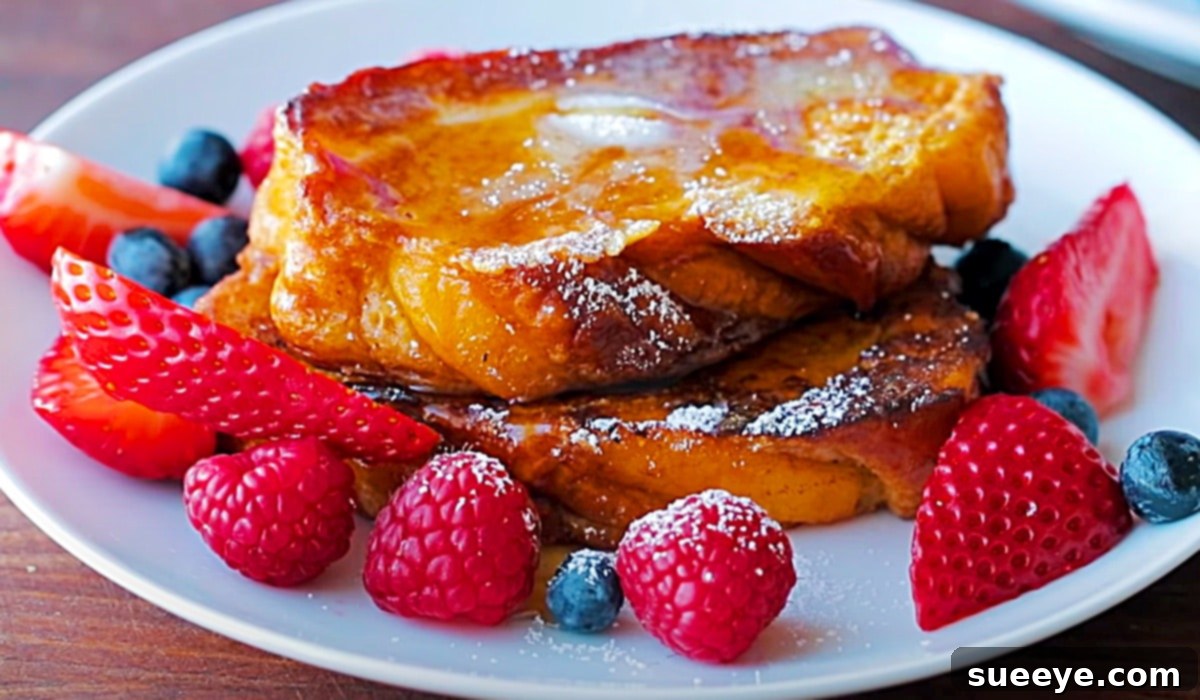
There’s something undeniably comforting and utterly delicious about a plate of perfectly cooked French toast. It’s a dish that evokes warmth, family breakfasts, and leisurely weekend mornings. In my household, French toast isn’t just a meal; it’s a cherished tradition, a special treat that brings everyone together. That’s why when I discovered this incredible classic French toast recipe tutorial by Natasha’s Kitchen on YouTube, I knew instantly it was a recipe we had to try. And it quickly became a new favorite, transforming regular French toast into an extraordinary culinary experience.
Far from being just a breakfast staple, this recipe elevates French toast into a versatile treat that can be enjoyed in countless ways. Imagine savoring a warm, sweet slice as a comforting afternoon snack, or even packing it up for a delightful on-the-go breakfast during a busy morning. The beauty of this recipe lies in its simplicity and accessibility. You’ll likely find most, if not all, of the ingredients already stocked in your pantry and refrigerator, eliminating the need for a special grocery run. This convenience, combined with its irresistible flavor, makes Natasha’s Kitchen French Toast recipe an absolute slam dunk for any family meal or a satisfying snack that’s sure to please everyone.
How To Make A Classic French Toast Recipe: The Ultimate Guide
Mastering the art of French toast is easier than you think, especially with a tried-and-true recipe like this one. We’re going to dive deep into creating French toast that boasts a golden-brown exterior, a custardy interior, and a flavor profile that’s simply divine. Get ready to transform simple bread and eggs into a breakfast masterpiece that will impress your family and friends. This comprehensive guide will walk you through every step, ensuring your French toast turns out perfect every single time.
Ingredients For The Perfect Classic French Toast:
The secret to exceptional French toast often lies in the quality and balance of its foundational ingredients. Here’s what you’ll need to create a rich, flavorful batter that will turn ordinary bread into something extraordinary. Each component plays a vital role in achieving that desirable custardy texture and irresistible taste.
- 6 Large Eggs & 2 Large Egg Yolks: The combination of whole eggs and extra yolks is crucial for French toast perfection. Whole eggs provide the necessary structure and bind the ingredients, while the additional yolks lend a remarkable richness, a deeper golden hue, and a more custardy, luxurious texture to the finished French toast. This is key for that desirable soft, tender interior that melts in your mouth.
- 1 Cup of Whole Milk: Whole milk is highly preferred over lower-fat alternatives because its higher fat content contributes significantly to a creamier, more decadent batter. It helps to moisten the bread thoroughly, ensuring it cooks up beautifully tender without being dry. For an even richer taste, you could experiment with half-and-half or heavy cream, adding another layer of indulgence.
- 1/4 Teaspoon of Salt: A small pinch of salt might seem counterintuitive in a sweet dish, but it plays a vital role in balancing the flavors. It cleverly enhances the sweetness of the honey and vanilla, preventing the French toast from tasting one-dimensionally sweet and instead bringing out its full depth of flavor, creating a more harmonious profile.
- 2 Teaspoons of Vanilla Extract: Vanilla is an indispensable ingredient, infusing the batter with its warm, aromatic, and comforting fragrance. It’s a classic pairing with eggs and milk, adding a layer of sophisticated sweetness that is instantly recognizable and universally loved in sweet breakfast items, making your French toast truly irresistible.
- 1 Teaspoon of Ground Cinnamon: Cinnamon is the quintessential spice for French toast, providing a warm, sweet, and slightly spicy note that complements the other ingredients perfectly. It adds depth and a classic flavor profile that many associate with this beloved breakfast dish, giving it that familiar, inviting aroma.
- 2 Tablespoons of Warm Honey: While granulated sugar is commonly used, warm honey offers a unique, complex sweetness and a subtle floral note that sugar simply can’t replicate. Warming the honey slightly makes it easier to incorporate into the batter, ensuring it’s evenly distributed for consistent flavor in every bite, adding a touch of natural elegance.
- 1 Pound of Bread (Texas Toast, French, or Challah): The choice of bread is paramount to French toast success.
- Texas Toast: Its thick slices are excellent for absorbing the custardy batter without falling apart, leading to a satisfyingly hearty piece of French toast that’s crispy on the outside and tender within.
- French Bread: A sturdy baguette or classic French loaf, especially day-old, offers a good balance of crispness and chewiness, providing a robust base for your custard.
- Challah or Brioche: These are often considered the gold standard for French toast due to their rich, buttery, and slightly sweet nature. Their dense crumb holds up exceptionally well to soaking and delivers an incredibly tender, flavorful result, making them perfect for an indulgent breakfast.
Aim for slightly stale or day-old bread, as it has less moisture and thus absorbs the batter better without becoming overly soggy, ensuring a perfect interior texture.
- 3 Tablespoons of Unsalted Butter: Butter is absolutely essential for frying, imparting a rich, nutty flavor and helping to create that beautiful golden-brown, slightly crispy exterior. Unsalted butter allows you to control the overall saltiness of the dish, giving you precise command over the final taste.
Step-by-Step Directions for Classic French Toast:
Follow these detailed steps, inspired by the excellent techniques shared in Natasha’s Kitchen video tutorial on YouTube, to achieve French toast perfection every single time. Precision in preparation will yield the most delicious results, ensuring a breakfast that’s consistently extraordinary.
1. Prepare the Custard Batter:
In a large, shallow dish or pie plate – ideally one wide enough to accommodate your bread slices – crack the 6 large eggs and add the 2 large egg yolks. Using a whisk, beat them thoroughly until the yolks and whites are completely combined, smooth, and slightly frothy. This ensures a homogenous mixture, preventing any streaks of unmixed egg white. Pour in the full cup of whole milk, then add the quarter teaspoon of salt, two teaspoons of vanilla extract, one teaspoon of ground cinnamon, and the two tablespoons of warm honey. Whisk all the ingredients vigorously until the batter is completely smooth, well-combined, and the honey has fully dissolved. This rich custard is the heart of your French toast, so ensure it’s perfectly blended for consistent flavor in every bite.
2. Slice and Prepare the Bread:
If you’re using a whole loaf of French bread, Challah, or Brioche, slice it into thick, even pieces, about 3/4 to 1 inch thick. Thicker slices are ideal as they can absorb more of the rich custard without becoming too soft, falling apart during cooking, or getting soggy. Uniform thickness also ensures even cooking. If you’re using pre-sliced Texas toast, simply remove the required number of slices. Lay your bread slices out on a clean surface, ready for soaking, making sure they are separated for easy handling.
3. Soak the Bread:

Gently place each slice of bread into the prepared egg mixture, submerging it completely. Allow it to soak for about 15-30 seconds per side. The precise soaking time can vary depending on the type and freshness of your bread. Sturdier or slightly stale bread might need a little longer to absorb the custard fully, ensuring a custardy interior, while very fresh or softer bread will absorb it quicker and may become soggy if left too long. The ultimate goal is for the bread to be thoroughly saturated with the rich batter but not waterlogged, maintaining its structural integrity so it doesn’t disintegrate in the pan.
4. Cook the French Toast:
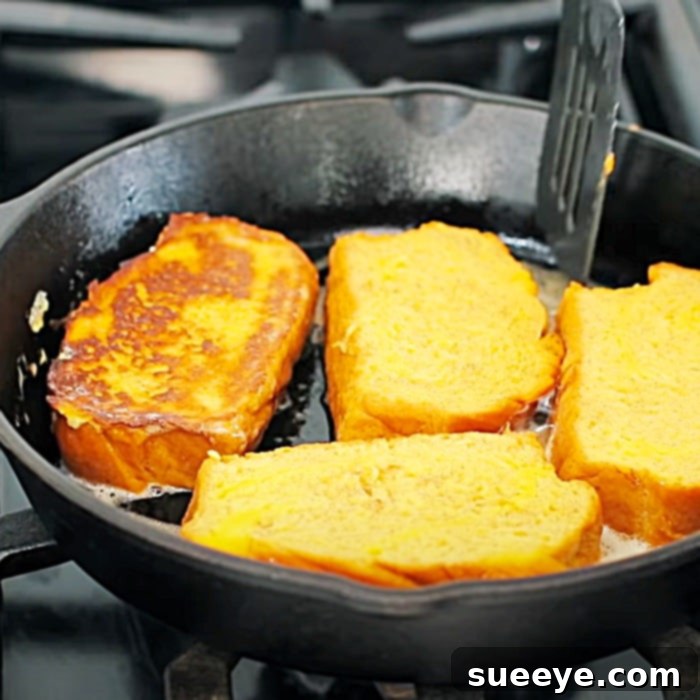
Heat a large non-stick skillet or griddle over medium heat. Add about half a tablespoon of unsalted butter for each batch of French toast you plan to cook. Once the butter is melted and slightly foamy, indicating it’s ready, carefully place the soaked bread slices onto the hot pan, making sure not to overcrowd it. Give each slice enough space for even cooking and browning. Cook for 2-4 minutes per side, or until each side is beautifully golden brown and the internal custard is fully set. You should see a nice crust developing. Adjust the heat as needed to prevent burning and ensure even cooking. Repeat with the remaining bread slices, adding more butter as necessary for each subsequent batch to maintain flavor and prevent sticking.
5. Serve Immediately:
Once cooked, transfer the French toast to a warm platter. This method, inspired by Natasha’s Kitchen, consistently produces French toast that is incredibly rich, flavorful, and perfectly cooked every time. The exterior is beautifully golden and slightly crisp, while the interior remains delightfully custardy. Serve immediately with your favorite toppings to enjoy the ultimate classic French toast experience!
Tips for Making the Best French Toast:
Achieving French toast perfection is an art, but with a few simple tips and tricks, you can elevate your homemade version from good to absolutely phenomenal. These insights will help you avoid common pitfalls and ensure a consistently delicious result.
- Choose the Right Bread: As emphasized, slightly stale, day-old bread is your best friend. It has lost some moisture, making it much more absorbent and significantly less likely to fall apart when soaked in the custard. Brioche, Challah, or thick-cut Texas toast are ideal due to their sturdy yet tender crumb, which holds up beautifully.
- Don’t Rush the Soak (But Don’t Oversaturate): While you don’t want soggy bread, give each slice enough time to fully absorb the custard. This is absolutely key for a truly custardy interior. However, remember that super soft or fresh breads require less soaking time; a quick dip might be all they need to prevent them from becoming mushy. Find that sweet spot!
- Maintain Even Heat Distribution: Maintain a consistent medium heat on your griddle or skillet. Too high, and the outside will burn before the custardy inside cooks through; too low, and you’ll end up with dry, tough French toast that lacks that appealing golden crust. Patience and temperature control are vital.
- Use Plenty of Butter: Don’t be shy with the butter! It’s crucial not only for rich flavor but also for achieving that coveted golden-brown, slightly crispy crust. You can also use a combination of butter and a neutral oil (like canola or vegetable) to raise the smoke point and prevent the butter from burning too quickly, especially if you’re cooking multiple batches.
- Don’t Overcrowd the Pan: Always cook in batches. Giving each slice enough space ensures even cooking and allows for better browning and a crisper exterior. Overcrowding the pan lowers its temperature, causing the French toast to steam instead of frying, which can result in a pale and less appealing finish.
- Keep it Warm: If you’re cooking for a crowd and want everyone to enjoy warm French toast simultaneously, preheat your oven to a low temperature (around 200°F or 95°C). As each batch finishes cooking, transfer the French toast to a baking sheet and keep it warm in the oven until ready to serve.
- Freshly Ground Spices: For an extra layer of flavor and unparalleled aroma, consider freshly grinding your cinnamon or adding a pinch of freshly grated nutmeg to the batter. The difference in taste from pre-ground spices is often remarkable.
Delicious Serving Suggestions and Variations:
French toast is a canvas for creativity! While delicious on its own, it truly shines with the right accompaniments. Whether you prefer classic pairings or adventurous new flavors, there’s a world of possibilities to explore.
Classic Toppings:
- Maple Syrup: A timeless classic. Opt for pure maple syrup for the best, most authentic flavor that perfectly complements the sweet French toast.
- Powdered Sugar: A light dusting adds a touch of elegance, subtle sweetness, and a beautiful snowy finish.
- Fresh Berries: Strawberries, blueberries, raspberries, or mixed berries add vibrant freshness, a burst of color, and a healthy counterpoint to the richness.
- Whipped Cream: A generous dollop of homemade whipped cream takes indulgence to the next level, adding a creamy, airy texture.
- Sliced Bananas: Whether fresh or lightly caramelized in a pan, bananas are a wonderfully sweet and soft complement to French toast.
- Fruit Compote: Warm fruit compotes made from apples, peaches, or mixed berries add a tangy and sweet dimension.
Creative Variations:
- Stuffed French Toast: Elevate your game by creating a pocket in thicker bread slices and filling it before soaking. Popular fillings include cream cheese mixed with a little sugar and vanilla, fruit preserves, or decadent Nutella with sliced bananas.
- Savory French Toast: Break away from tradition! Skip the cinnamon and honey in the batter and instead add savory herbs like chives, thyme, a pinch of black pepper, or even grated Parmesan cheese. Serve with crispy bacon, fried eggs, sliced avocado, or smoked salmon for a sophisticated brunch.
- Citrus Zest or Liqueur: Add a teaspoon of finely grated orange or lemon zest to the batter for a brighter, more aromatic profile. A splash of orange liqueur (like Grand Marnier) can also introduce a sophisticated citrus note for adult palates.
- Nutty Crunch Coating: Before frying, press one side of the soaked bread into finely chopped nuts (pecans, walnuts, almonds) or even a crunchy granola. This adds a fantastic textural element and a deep nutty flavor to the exterior.
- Caramelized Apples or Pears: Sauté sliced apples or pears with a bit of butter, brown sugar, and cinnamon until tender and slightly caramelized. Spoon this warm topping generously over your French toast for a comforting, autumnal twist.
- Coconut French Toast: Replace half of the whole milk with full-fat coconut milk and add a sprinkle of shredded coconut to the batter. Serve with toasted coconut flakes and tropical fruits like mango or pineapple.
A Brief History of French Toast: More Than Just French!
Despite its widely recognized name, French toast is far from exclusively French. Its delicious origins can be traced back much further than France, reaching into ancient Roman times. Historical records from the 4th or 5th century A.D. reveal recipes for similar dishes, made from bread soaked in milk and eggs, then fried. The primary goal in those days was often a practical one: to make stale bread palatable and prevent food waste, transforming humble ingredients into a satisfying meal.
As the centuries progressed, variations of this simple dish appeared across medieval Europe. In England, it was known by various intriguing names, including “poor knight’s pudding” or “poor man’s pudding,” suggesting it was a dish accessible to those who couldn’t afford fresh bread or more expensive ingredients like meat. It was a resourceful way to extend the life of bread and create a filling, energy-rich meal.
The term “French Toast” itself likely became popular in North America. One charming, albeit unconfirmed, theory suggests an American innkeeper named Joseph French coined the name in 1724. It is said that he omitted the apostrophe and ‘s’ from “French’s Toast” because he wasn’t proficient in grammar, leading to the simple yet enduring name “French Toast.” Regardless of its exact etymology, the dish has evolved over centuries into a beloved breakfast and brunch item worldwide, celebrated for its simplicity, incredible versatility, and profoundly comforting qualities.
Conclusion: Your New Favorite French Toast
This classic French toast recipe from Natasha’s Kitchen provides a foolproof method for creating a truly exceptional breakfast or brunch experience. With its perfectly balanced ingredients and straightforward, detailed steps, you’ll consistently achieve French toast that’s wonderfully crispy and golden on the outside, delightfully custardy on the inside, and bursting with rich, sweet flavors. It’s more than just a meal; it’s an experience that brings joy and warmth to any morning, transforming ordinary bread into an extraordinary treat.
So, gather your ingredients, follow these comprehensive instructions, and prepare to delight your taste buds and those of your loved ones. Don’t be surprised if this becomes your new go-to recipe for the ultimate classic French toast, a dish you’ll be proud to serve again and again. Enjoy the process of creating something truly delicious, and savor every single bite of this timeless favorite!