
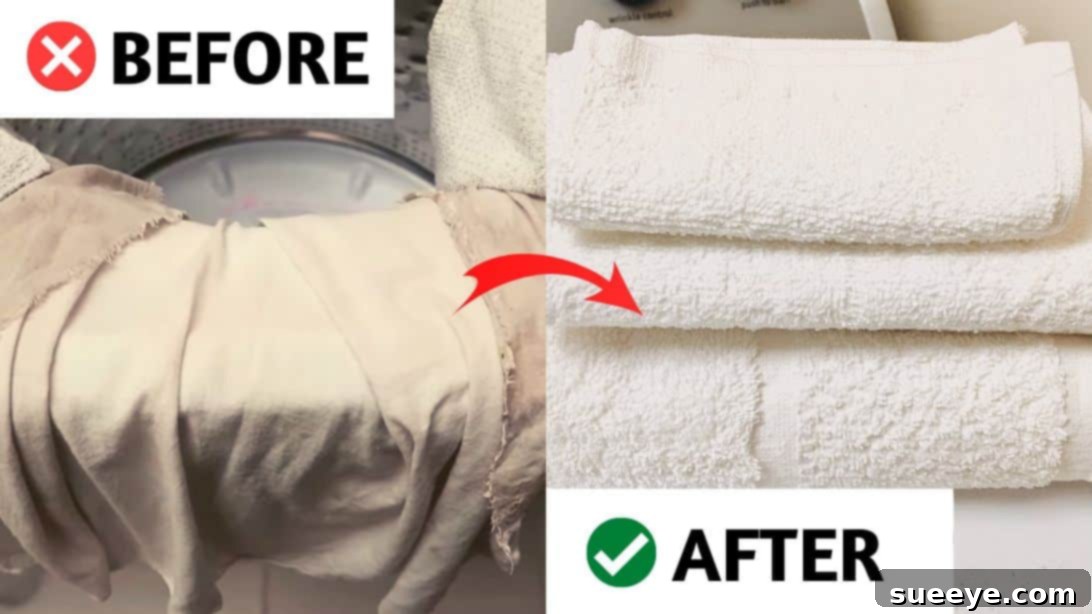
Revitalize Your Whites: The Ultimate No-Bleach Laundry Whitening Guide
Do your once-pristine white clothes, towels, and linens consistently emerge from the wash looking dull, dingy, or just plain grey? It’s a common and incredibly frustrating laundry dilemma. Many of us dream of bright, crisp whites, but harsh chemical bleaches often come with their own set of concerns, from potential fabric damage to environmental impact and strong odors. If you’ve been on the hunt for a safe, effective, and simple solution that doesn’t involve harsh chemicals, you’re in luck! We’ve discovered a fantastic, bleach-free approach shared by cleaning expert Andrea Jean Cleaning on YouTube that promises to restore your whites to their former glory. Even better, these methods utilize everyday household ingredients, making them both economical and gentle.
Forget committing to a complicated regimen or an arsenal of specialized cleaning products. This guide introduces two straightforward yet powerful methods to tackle dinginess, leaving your whites looking fresh, bright, and vibrant. Let’s dive into how you can transform your laundry routine and say goodbye to grungy whites for good!
Why Do Whites Lose Their Luster? Understanding the Problem
Before we jump into the solutions, it’s helpful to understand why your whites might be losing their brilliance in the first place. Several factors contribute to the gradual dulling of white fabrics:
- Hard Water Minerals: Minerals like calcium and magnesium found in hard water can accumulate in fabric fibers over time, leaving a grey or yellow tint.
- Detergent Residue: If your washing machine isn’t rinsing thoroughly, or if you’re using too much detergent, residue can build up on fabrics, attracting dirt and creating a dingy appearance.
- Incomplete Rinsing: Similar to detergent residue, if soap isn’t fully removed, it can dull fabrics.
- Soil Transfer: Washing whites with colored items (even light ones) can lead to dye transfer, causing whites to pick up subtle tints. Even washing whites with heavily soiled white items can redistribute dirt.
- Low Wash Temperatures: While cold water is great for energy saving and delicate items, it’s less effective at breaking down certain oils and soils that can cling to white fabrics, especially cotton.
- Overloading the Machine: Stuffing too many items into your washer prevents proper cleaning and rinsing, leaving dirt and detergent behind.
- Everyday Grime: Sweat, body oils, and environmental pollutants naturally accumulate on clothes, leading to yellowing or dullness over time.
Understanding these culprits helps us appreciate why a targeted approach, beyond just regular detergent, is often necessary to truly whiten and brighten.
Essential Materials for Brighter Whites
One of the best aspects of these cleaning hacks is that they rely on readily available, inexpensive products you might already have in your pantry or laundry room. Here’s what you’ll need:
- Borax (Sodium Borate)
- Downy Scent Beads (or similar in-wash scent booster)
- Baking Soda (Sodium Bicarbonate)
- White Distilled Vinegar
- Your regular laundry detergent
Method 1: The Borax and Scent Beads Power Boost
This powerful method combines the natural cleaning prowess of Borax with your favorite scent booster to deliver impressively bright and fresh whites.
Step 1: Preparing the Wash
Begin by sprinkling a generous amount of Downy Scent Beads (or your preferred brand) directly onto the bottom of your washing machine drum. The amount can vary based on your desired fragrance intensity, but a good handful is a common starting point. Follow this by adding half a cup of Borax. Borax is a natural mineral that acts as a powerful laundry booster, softening water, helping to lift stains, and increasing the effectiveness of your detergent.
Next, load all your white laundry items into the machine. Be careful not to overload the washer; give your clothes enough space to move freely for optimal cleaning. Add your usual amount of liquid or powder laundry detergent into the designated dispenser or directly into the drum, depending on your machine type.
Step 2: Washing for Maximum Brightness
Select a warm or hot water cycle for this wash. While warm water can be effective, hot water is highly recommended, especially for heavily soiled or particularly dingy whites. The higher temperature helps to activate the Borax, loosen dirt, break down oils, and fight the staining process more effectively, leading to a superior whitening result. Run the cycle as you normally would, allowing the Borax and detergent to work their magic.
Why This Method Works:
- Borax: It acts as a natural water softener, neutralizing minerals in hard water that can contribute to dinginess. It also boosts your detergent’s cleaning power by adjusting the water’s pH level, allowing it to penetrate fabrics more deeply and lift stains. It’s also known for its deodorizing and mild antiseptic properties.
- Hot Water: Essential for truly deep cleaning and whitening, hot water helps to dissolve and remove stubborn dirt, oils, and residues that cold water might leave behind.
- Scent Beads: While not directly contributing to whitening, they ensure your freshly brightened whites smell wonderfully clean and inviting.
Method 2: The Baking Soda and Vinegar Duo
For those who prefer an even more natural and widely recognized approach to laundry care, the combination of baking soda and vinegar is an unbeatable team. This method not only whitens but also acts as a fantastic odor remover and fabric softener.
Step 1: Baking Soda for Whitening
To begin, sprinkle approximately one-third of a cup of baking soda directly onto the bottom of your washing machine’s drum. Baking soda is a gentle abrasive and a natural deodorizer, making it excellent for tackling stains and unpleasant smells. After adding the baking soda, load your white items into the machine, ensuring they have room to move freely during the wash cycle. Add your regular amount of laundry detergent as you normally would, following the instructions for your specific detergent and machine.
Step 2: The Vinegar Boost
Once the machine’s drum has filled up with water and the wash cycle has begun, you can give your laundry a significant boost by adding half a cup of white distilled vinegar to the water. Vinegar is a wonder product in laundry; it helps to break down detergent residue, softens fabrics naturally, and is highly effective at neutralizing odors. Adding it during the wash cycle can help in the overall cleaning process. Alternatively, for fabric softening and an extra odor-fighting punch, you can add the vinegar to your machine’s fabric softener dispenser, allowing it to be released during the rinse cycle. Both approaches yield excellent results.
Set your washing machine to a hot water cycle for optimal whitening and cleaning performance. The heat will work in conjunction with the baking soda and vinegar to dissolve grime, lift stains, and leave your whites looking remarkably brighter and feeling softer.
Why This Method Excels:
- Baking Soda: It’s a mild alkali that helps to loosen dirt and grime, boost the performance of your detergent, and whiten fabrics. It’s also a fantastic natural deodorizer, absorbing unpleasant smells.
- Vinegar: Its mild acidity helps to dissolve mineral buildup (from hard water), strip away detergent residue, and acts as a natural fabric softener. It’s also a powerful odor eliminator and can help kill odor-causing bacteria.
- Synergistic Effect: Together, baking soda and vinegar create a gentle yet effective cleaning reaction that helps to lift stains, brighten fabrics, and leave laundry fresh.
Pro Tips for Maintaining Brilliant Whites
Beyond these powerful washing methods, a few simple habits can significantly help in keeping your whites dazzling:
- Sort Your Laundry Meticulously: Always wash whites separately from colors, even light colors. A single red sock can ruin an entire load of whites.
- Pre-Treat Stains Promptly: Address stains as soon as possible. The longer a stain sits, the harder it is to remove.
- Don’t Overload the Washer: Give your clothes space to agitate and rinse properly. An overloaded machine won’t clean effectively, leaving behind dirt and detergent residue.
- Use the Right Detergent: Opt for a high-quality detergent designed for whites, and ensure you’re using the correct amount for your load size and water hardness.
- Harness the Power of the Sun: Line drying white laundry in direct sunlight can have a natural bleaching effect, further brightening your items without any chemicals.
- Clean Your Washing Machine Regularly: Residue, mold, and mildew can build up in your washing machine, transferring odors and dullness to your clothes. Run an empty hot cycle with vinegar or a dedicated machine cleaner periodically.
Safety Considerations
While Borax, baking soda, and vinegar are generally safe for laundry, it’s always good practice to observe a few safety tips:
- Ventilation: Ensure good ventilation in your laundry area, especially when using Borax, as some people can be sensitive to airborne particles.
- Storage: Keep all cleaning products, including these natural ones, out of reach of children and pets.
- Avoid Mixing: NEVER mix vinegar with bleach. While these methods are bleach-free, it’s a critical safety reminder for general cleaning.
- Skin Sensitivity: If you have sensitive skin, consider wearing gloves when handling Borax directly.
Conclusion: Embrace a Brighter Laundry Future
Say goodbye to the frustration of dingy whites and hello to a wardrobe and linen closet full of bright, fresh, and revitalized fabrics! These bleach-free laundry whitening methods, inspired by Andrea Jean Cleaning, offer effective, simple, and environmentally friendlier alternatives to harsh chemicals. By incorporating Borax, baking soda, and vinegar into your routine, you can confidently restore your whites to their pristine condition, extending their life and ensuring they look their best.
Give one of these powerful methods a try on your next load of white laundry, and prepare to be amazed by the noticeable difference. Your whites, and the planet, will thank you!
*Many thanks to Andrea Jean Cleaning via YouTube for sharing these brilliant and effective laundry hacks. If you found these tips helpful, we highly recommend visiting her channel for a wealth of other fantastic cleaning advice and subscribe for more inspiring content!