
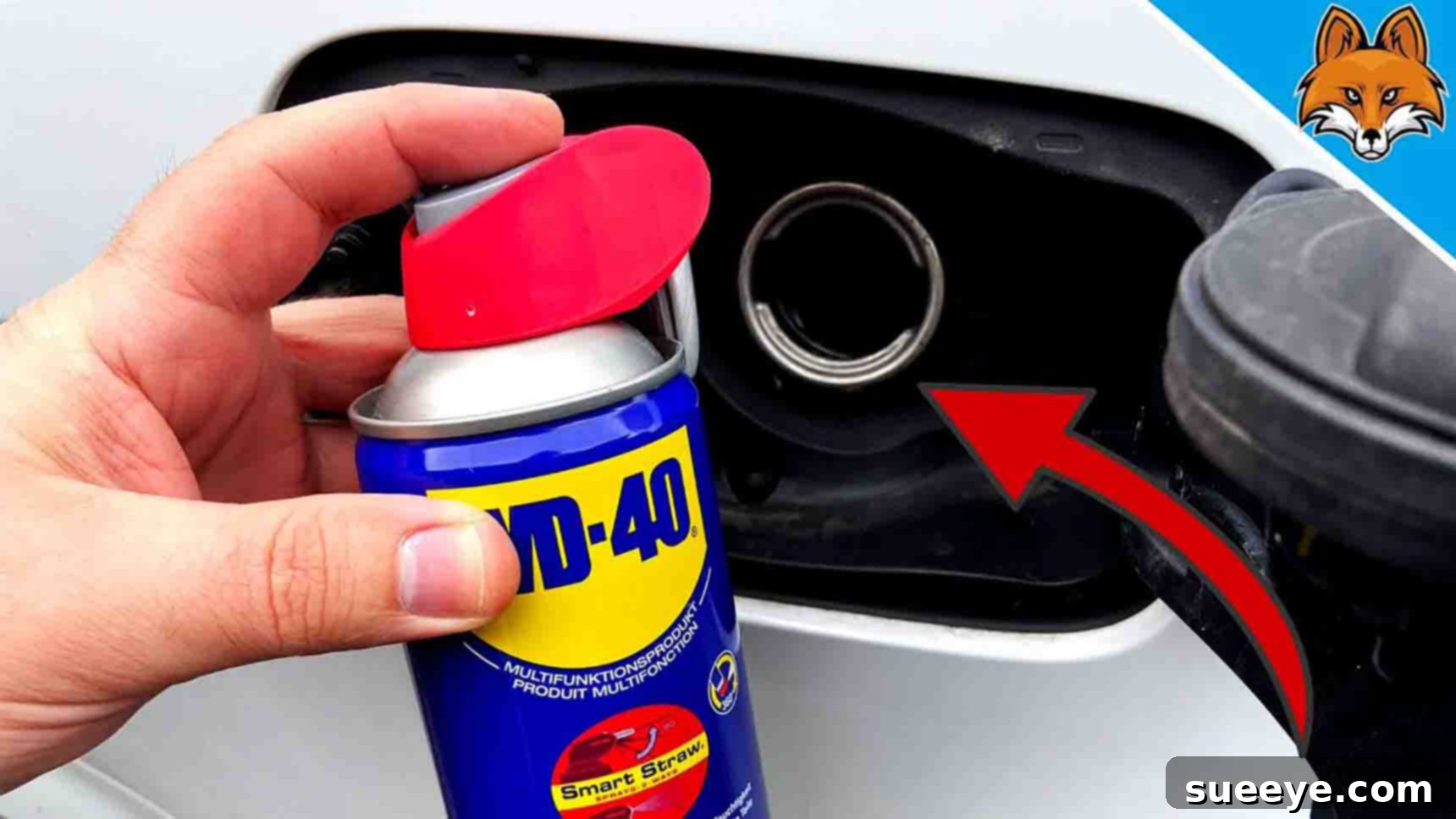
Unlock Your Car’s Potential: 6 Unexpected WD-40 Hacks Every Driver Should Know
WD-40 is a household name, renowned for its incredible versatility in countless applications, from silencing squeaky hinges to loosening rusted bolts. But what if we told you this iconic multi-use product holds a secret power for revitalizing your vehicle? Beyond its traditional uses, WD-40 can be a surprising ally in maintaining and cleaning various parts of your car, helping you achieve a polished look and extend the life of components. This comprehensive guide, inspired by ingenious tips from Smart Fox on Youtube, dives deep into six clever ways you can leverage WD-40 to tackle common car care challenges. From restoring cloudy headlights to making your tires gleam, prepare to discover cost-effective and efficient solutions that will change the way you think about car detailing. Get ready to transform your car’s appearance with these simple yet effective WD-40 tricks!
1. Revitalize Your Headlights
Over time, car headlights can become hazy, yellowed, or foggy due to oxidation and exposure to UV rays and road debris. This not only diminishes your car’s aesthetic appeal but, more importantly, severely reduces light output, posing a safety risk during nighttime driving. While dedicated headlight restoration kits are available, WD-40 offers an astonishingly simple and effective alternative for cleaning and restoring clarity to your headlamps.
To use WD-40 for headlight restoration, begin by cleaning the headlight surface with soap and water to remove loose dirt. Once dry, spray a generous amount of WD-40 directly onto the headlight lens. Allow it to sit for a minute or two, letting the powerful solvent properties of WD-40 penetrate and break down the oxidized layer and stubborn grime, including remnants of insects. Using a clean, soft microfiber cloth, firmly wipe the headlight in circular motions. You’ll notice the oxidation and dirt transferring onto the cloth. Continue wiping until the lens appears significantly clearer. For optimal results, you might need to repeat the application and wiping process. Finish by wiping away any WD-40 residue with a separate clean, dry cloth or a mild glass cleaner. The result will be noticeably clearer headlights, enhancing both your car’s appearance and your visibility on the road.
2. Say Goodbye to Minor Scratches and Scuffs
Nothing is more frustrating than discovering an unsightly scratch or scuff mark on your car’s otherwise pristine paintwork. While WD-40 isn’t a miraculous cure for deep gouges that penetrate the clear coat, it works wonders on superficial blemishes, paint transfer from another vehicle, or stubborn surface scuffs that often appear as slight discoloration. Its penetrating oil properties can help to lift and dissolve foreign materials on the paint surface, making minor imperfections less noticeable.
Before applying WD-40, ensure the affected area is clean and dry. Gently wipe the scratch or scuff with a clean, soft microfiber cloth to remove any loose dirt or dust. Then, lightly spray a small amount of WD-40 directly onto the scratch. Allow it to sit for a few seconds to let it work its magic. Using another clean microfiber cloth, gently wipe the area in the direction of the scratch. You should observe the discoloration fading or the paint transfer lifting away. Repeat the process if necessary, always using gentle pressure. Once the scratch is minimized, wipe away any WD-40 residue thoroughly with a clean cloth and consider applying a car wax or sealant to protect the treated area. Remember, this method is best for light surface marks and will not repair deep damage to the clear coat or paint layers.
3. Freshen Up Plastic Parts in the Engine Bay and Beyond
The engine compartment of your car, though often out of sight, accumulates a significant amount of dirt, dust, and grime. Plastic components under the hood, like engine covers, fluid reservoirs, and wiring conduits, can become dull, faded, and dirty over time due to heat, oil residue, and general wear. WD-40 can breathe new life into these plastic surfaces, restoring their original luster and protecting them from further degradation.
To revitalize plastic parts, first, ensure the engine is cool and clean off any heavy grease or dirt with a degreaser if necessary. Then, spray a light, even coat of WD-40 onto a clean microfiber cloth – avoid spraying directly onto sensitive electrical components. Wipe down all the plastic parts you wish to freshen up, such as the engine cover, battery casing, and other plastic housings. You’ll immediately notice the plastic regaining a deeper, richer color and a subtle sheen. WD-40 also helps to repel dust and moisture, keeping your engine bay looking cleaner for longer. This trick isn’t limited to the engine bay; it can also be used on exterior non-painted plastic trim that has faded, bringing back a fresh, black appearance. Always wipe off excess product to prevent it from attracting dust.
4. Bring Back the Shine to Your Rims
Car rims are constantly exposed to brake dust, road grime, tar, and other stubborn contaminants that can make them appear dull and dirty. Traditional wheel cleaners can be effective, but WD-40 offers a powerful and often overlooked solution for tackling some of the toughest build-ups, especially baked-on brake dust and tar spots. Its solvent properties are excellent at breaking down these greasy, stubborn residues, making your rims sparkle like new.
Before you begin, ensure your rims are cool to the touch and relatively clean of loose dirt. Spray a generous amount of WD-40 directly onto the entire rim surface. Allow it to penetrate for a few minutes – this gives the WD-40 time to dissolve the brake dust and tar. Using a dedicated wheel brush or a sturdy microfiber cloth, thoroughly scrub the rim, paying extra attention to intricate areas and persistent stains. You’ll see the grime effortlessly lifting away. Once you’ve scrubbed, rinse the rims thoroughly with a strong stream of water to wash away all the WD-40 and dissolved contaminants. This step is crucial to prevent slippery residue. Finally, dry the rims with a clean towel for a brilliant, shiny finish. This method effectively cleans and leaves a protective layer that helps prevent future build-up, giving your wheels a show-room shine.
5. Achieve That “New Tire” Look (Safely!)
One of the hallmarks of a well-maintained car is clean, dark, and shiny tires, reminiscent of when the car first rolled off the dealership lot. While dedicated tire dressings exist, WD-40 can provide a temporary, yet effective, solution for cleaning and enhancing the appearance of your tire sidewalls, removing dirt and road grime to achieve that coveted “new tire” look. However, it’s absolutely critical to apply WD-40 ONLY to the sidewalls and never, under any circumstances, to the tire treads, as this could severely reduce traction and compromise driving safety.
To apply WD-40 to your tires, first, wash your tires with soap and water to remove any loose dirt. Once dry, spray a small amount of WD-40 onto a clean cloth, rather than directly onto the tire. Carefully wipe the tire sidewall, ensuring no product gets onto the tire tread. The WD-40 will quickly dissolve accumulated grime, brake dust, and old tire dressing residues, leaving the rubber looking refreshed and uniformly dark. As you wipe, you’ll notice the tire’s natural dark black color being restored, often with a subtle, clean sheen. After wiping, you can use a separate dry cloth to buff the sidewall, which helps remove any excess product and ensures an even finish. This trick not only cleans but also gives your tires a conditioned look that significantly improves your car’s overall appearance, but always prioritize safety by keeping WD-40 away from the contact surface of your tires.
6. Banish Streaks: Give Your Wipers a New Lease on Life
Streaky windshield wipers are a common nuisance, especially during rain, significantly impairing visibility and making driving unsafe. Streaking is usually caused by dirt, grime, oil film, or even tiny particles of road tar accumulating on the rubber blades, preventing them from making clean contact with the windshield. Before you rush to replace your wiper blades, try a simple WD-40 trick that can often restore their performance and extend their lifespan.
Start by lifting your wiper arms away from the windshield. Take a clean, lint-free cloth and spray a small amount of WD-40 onto it. Do not spray directly onto the wiper blades or windshield. Carefully rub the WD-40-infused cloth along the entire length of each rubber wiper blade. You’ll likely see a surprising amount of black residue and dirt transfer onto your cloth, indicating the cleaning action of WD-40. This process effectively removes accumulated road film, oil, and grime that cause streaking, and also conditions the rubber slightly, making it more pliable. After cleaning with WD-40, it’s a good idea to wipe the blades one more time with a separate clean cloth dampened with rubbing alcohol or window cleaner to remove any WD-40 residue that could smear on the windshield. Lower your wiper arms, and test them out. You should notice a significant improvement in their ability to clear the windshield without leaving streaks, providing you with clearer and safer visibility.
As you can see, WD-40 is far more than just a lubricant and rust remover. Its unique formulation makes it an incredibly versatile product for a surprising array of car cleaning and maintenance tasks. From restoring the clarity of your headlights to making your tires shine and ensuring streak-free visibility, these six hacks provide cost-effective and efficient solutions for common car care challenges. While WD-40 offers impressive results for these specific applications, always remember to use it judiciously and test on an inconspicuous area first, especially when dealing with painted surfaces or delicate components. For more visual guidance and to see these amazing tricks in action, be sure to watch the original video from Smart Fox on Youtube. Try these ingenious WD-40 tips and share your own unexpected car care discoveries with friends!