
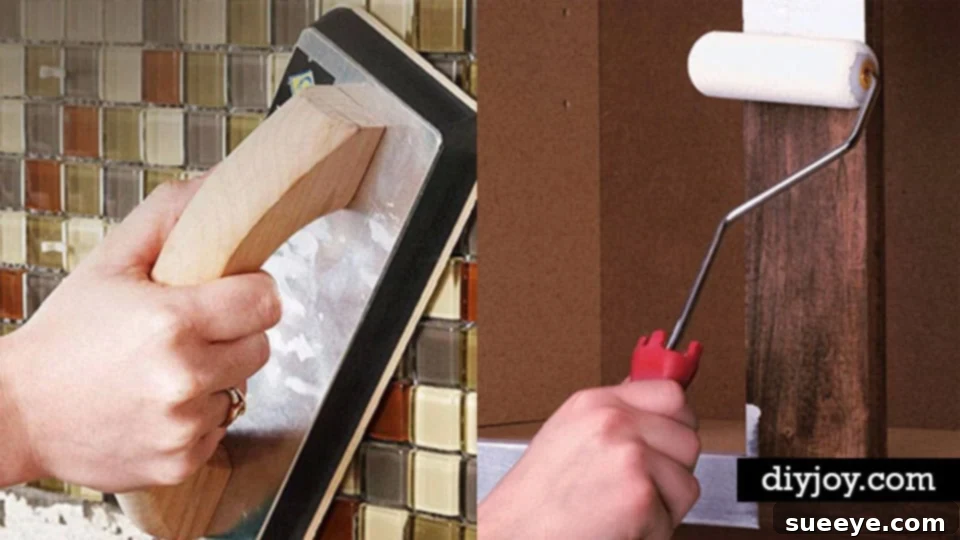
36. Furniture Revival: Strip and Restain a Dresser
frugalflourish
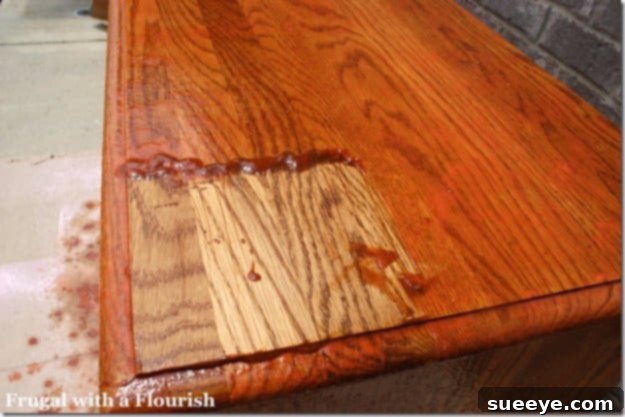
Don’t discard that old, worn-out dresser! With a little effort, you can transform it into a beautiful, custom piece that perfectly complements your updated decor. Learning to strip and restain a dresser is a rewarding DIY furniture restoration project. This process involves carefully removing the old finish, preparing the wood, and then applying a fresh stain to highlight its natural grain or a paint color for a modern look. The result is a unique, handcrafted piece of furniture that breathes new life into your space and saves you the cost of buying new.
37. Classic Wall Charm: DIY Board and Batten
makeit-loveit
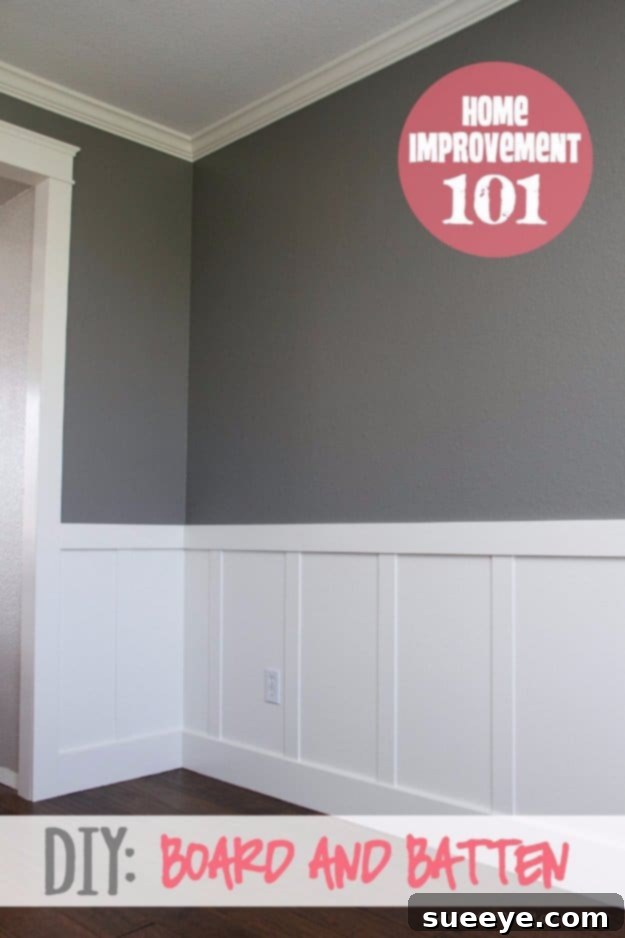
Board and batten paneling adds timeless architectural interest and visual texture to any room, instantly elevating its aesthetic. This classic wall treatment creates a charming, custom look that can range from traditional farmhouse to modern minimalist, depending on the scale and finish. Undertaking a DIY board and batten project is surprisingly achievable, even for those with moderate DIY experience. It’s an excellent way to define a space, add a focal point, and increase your home’s character and charm without a full renovation.
38. Designer Touch: Use Square Molding to Frame a Mirror
healthytippingpoint
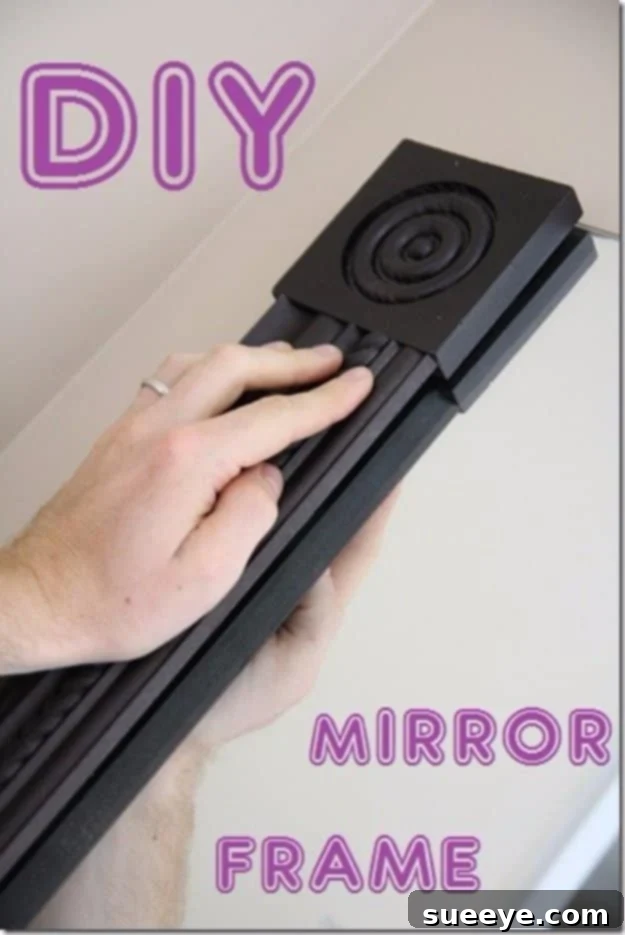
A plain, unframed mirror can often look unfinished and utilitarian. Elevate its status to a decorative statement piece by framing it with simple square molding. This clever and inexpensive DIY hack instantly transforms a basic mirror into a custom design element that adds character, depth, and a touch of sophistication to any room – be it a bathroom, entryway, or bedroom. You can choose molding that matches your existing trim or paint it a contrasting color for added impact. It’s an easy project that delivers a high-end look, making your space feel more refined and intentionally designed.
39. Durable Fixes: Cement Step Repair for Outdoor Safety
homerepairtutor
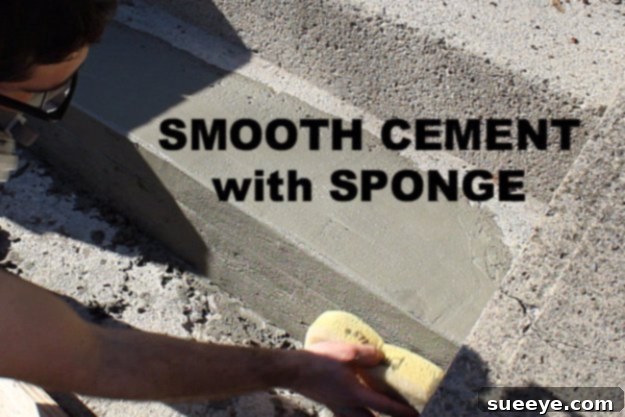
Cracked, crumbling, or damaged cement steps are not only an eyesore but also a potential safety hazard. Learning how to perform cement step repair is a valuable DIY skill that enhances both the safety and curb appeal of your home. This project involves patching chips, filling cracks, and resurfacing worn areas to create a smooth, sturdy, and visually appealing entryway. With the right materials and techniques, you can restore your outdoor steps to their former glory, ensuring they are both functional and welcoming for years to come, all without needing to hire an expensive contractor.
40. Sophisticated Interiors: DIY Paneled Walls
marcusdesigninc
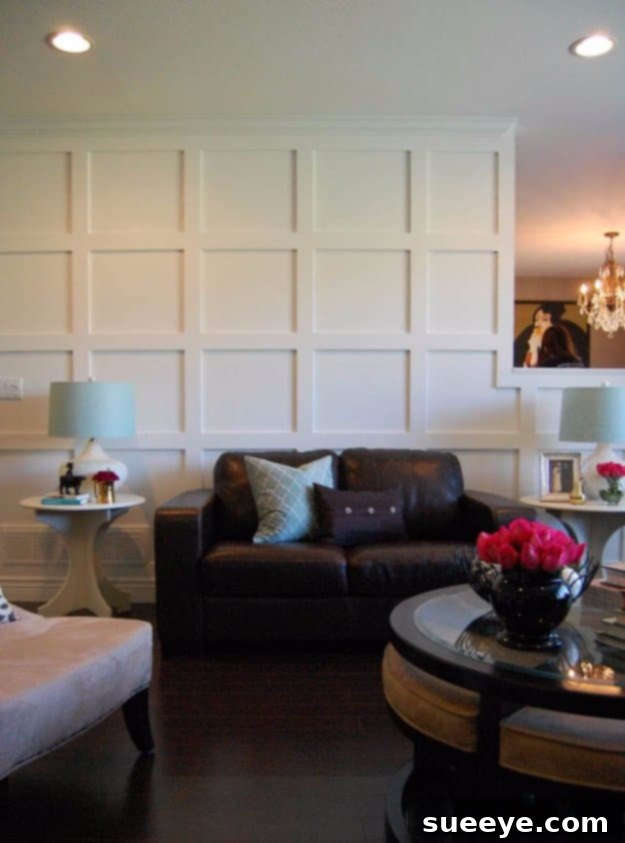
For a truly sophisticated and custom interior, consider installing DIY paneled walls. This architectural feature adds depth, texture, and a traditional charm that transforms a simple room into an elegant sanctuary. Whether you opt for raised panels, flat panels, or a more intricate design, wall paneling provides a luxurious backdrop that enhances furnishings and artwork. While it may seem like a complex undertaking, many paneling styles are achievable for the determined DIYer, offering a stunning upgrade that significantly boosts your home’s aesthetic appeal and perceived value.
41. Grand Architectural Detail: Install Faux Wood Beams
designertrapped
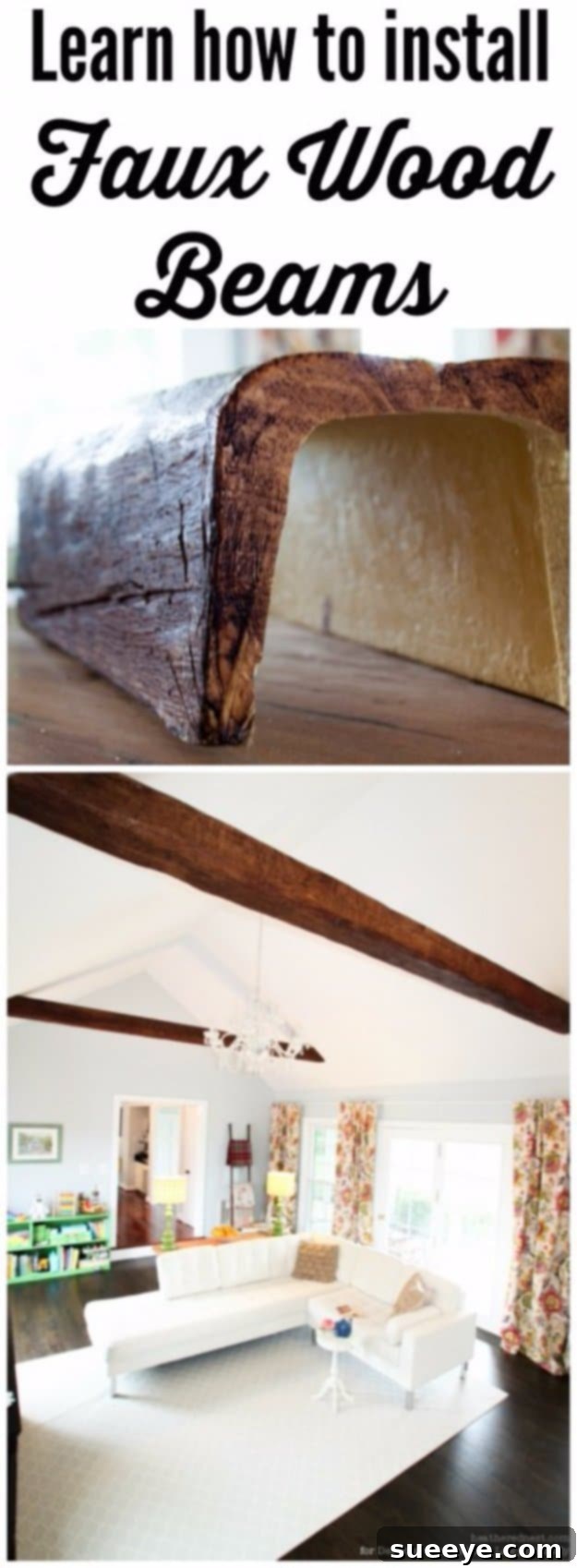
Add dramatic architectural interest and rustic charm to your ceilings with DIY faux wood beams. This clever hack allows you to achieve the grandeur and warmth of traditional exposed timber beams without the considerable weight, cost, or structural challenges of real wood. Faux beams are lightweight, easy to install, and can be customized to match any wood tone or finish, making them incredibly versatile. They create an instant focal point, adding a sense of history and scale to large rooms or cozy charm to smaller ones, completely transforming your ceiling into a stunning design feature.